




Bridging the Gap
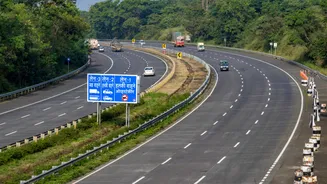
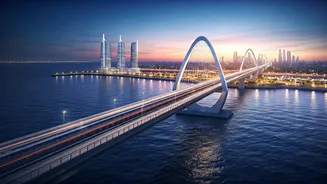
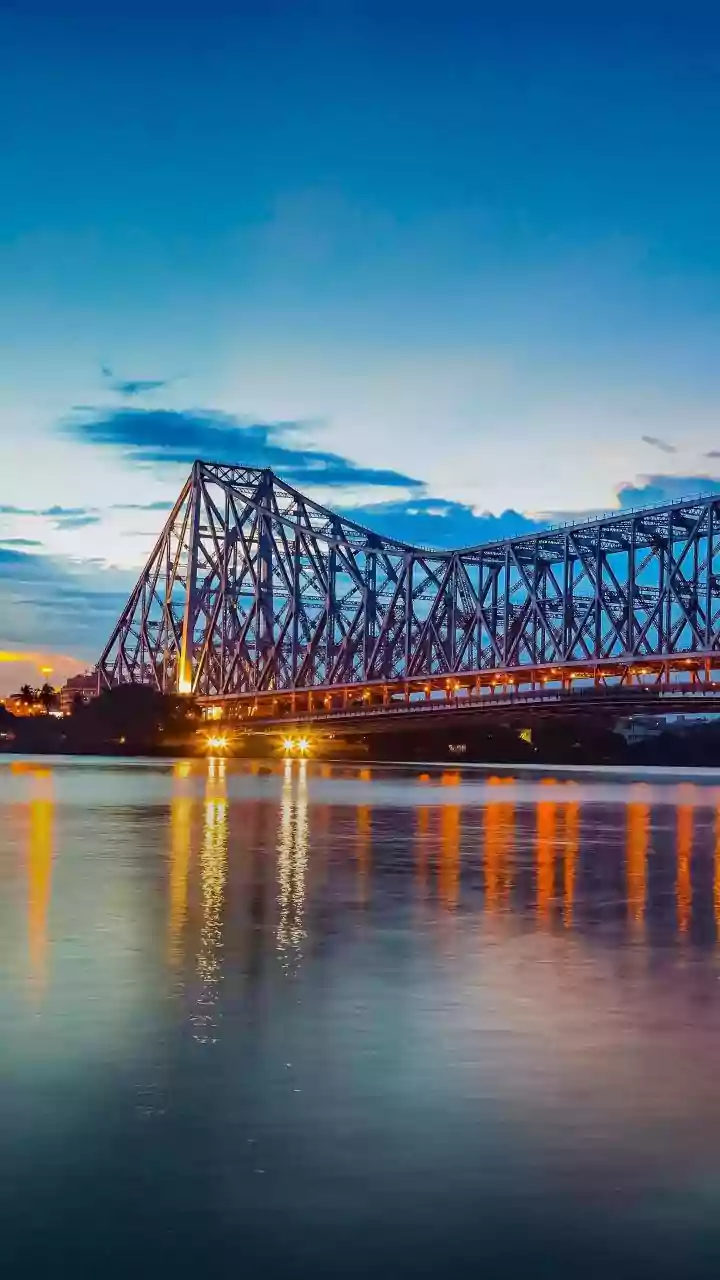
Mumbai's connectivity is undergoing a dramatic enhancement with the Atal Setu, India's longest sea bridge spanning 21.8 kilometers. This architectural
marvel drastically reduces travel time between South Mumbai and Navi Mumbai from a challenging hour to a mere 20 minutes, a journey so swift your coffee might still be warm. This significant improvement has already spurred notable property value increases of 10–30% in areas like Ulwe and Panvel, signaling the immediate economic impact of enhanced infrastructure. The development also includes the Versova-Bandra sea link, further bolstering the city's coastal transportation network and promising to ease congestion on key routes.
Metro Momentum Grows
The city's public transport is being fundamentally rewired with its metro system, which has already surpassed 100 kilometers in operational length, with plans for further expansion. Notably, the Aqua Line 3, an entirely underground route, is set to fully connect Cuffe Parade directly to the international airport, commencing operations in late 2025. Another significant milestone was achieved in April 2026 with the inauguration of Line 9, bringing metro rail services to Thane for the first time. The impact is already palpable, with the first phase of the coastal road reducing the arduous 40-minute commute between Marine Drive and Worli to just 12 minutes, showcasing a rapid acceleration in the city's transit capabilities.
Future Travel Hub
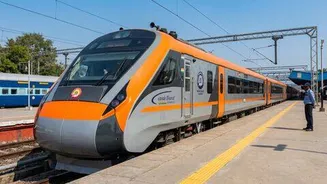
Mumbai is poised to become a major international gateway with the Navi Mumbai International Airport (NMIA) beginning early operations. This colossal $2 billion facility is engineered to accommodate an astounding 90 million passengers annually, positioning it as a significant hub for global travel. Further infrastructure marvels include the Thane–Borivali twin tunnel, which will elegantly bypass the ecological sensitivity of Sanjay Gandhi National Park, and a high-speed bullet train corridor designed to connect with Ahmedabad at a remarkable 320 km/h upon completion. These projects underscore a forward-thinking approach to managing future urban mobility and connectivity.
Builders Fueling Growth
The unprecedented infrastructure development in Mumbai has led to a significant shift in the city's revenue streams. For the fiscal year 2025–26, premiums paid by builders for redevelopment projects reached a staggering ₹11,626 crore, surpassing property tax as the Brihanmumbai Municipal Corporation's (BMC) single largest source of income. This indicates a powerful symbiotic relationship where the building boom is effectively financing the city's extensive civic and infrastructure upgrades, creating a self-sustaining cycle of development and urban renewal. This financial realignment highlights the central role of the real estate sector in driving Mumbai's transformation.
Balancing Progress
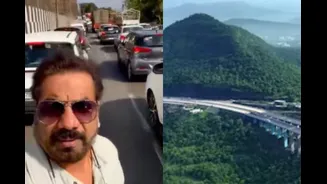
While the sheer scale and speed of Mumbai's infrastructural upgrades are historic, a critical question is emerging: are the investments prioritizing the right aspects of urban living? As billions are poured into expressways and sea links, concerns are mounting about whether essential services like healthcare, environmental sustainability, and the daily needs of citizens are keeping pace. The risk is that while new infrastructure can unlock a city's potential, it might inadvertently exacerbate existing issues or simply speed up commutes to unresolved problems. Key areas requiring attention include persistent healthcare gaps, mounting environmental pressures, the strain on the local train network, and the general lag in civic services.