





Hanoi Bound Flights
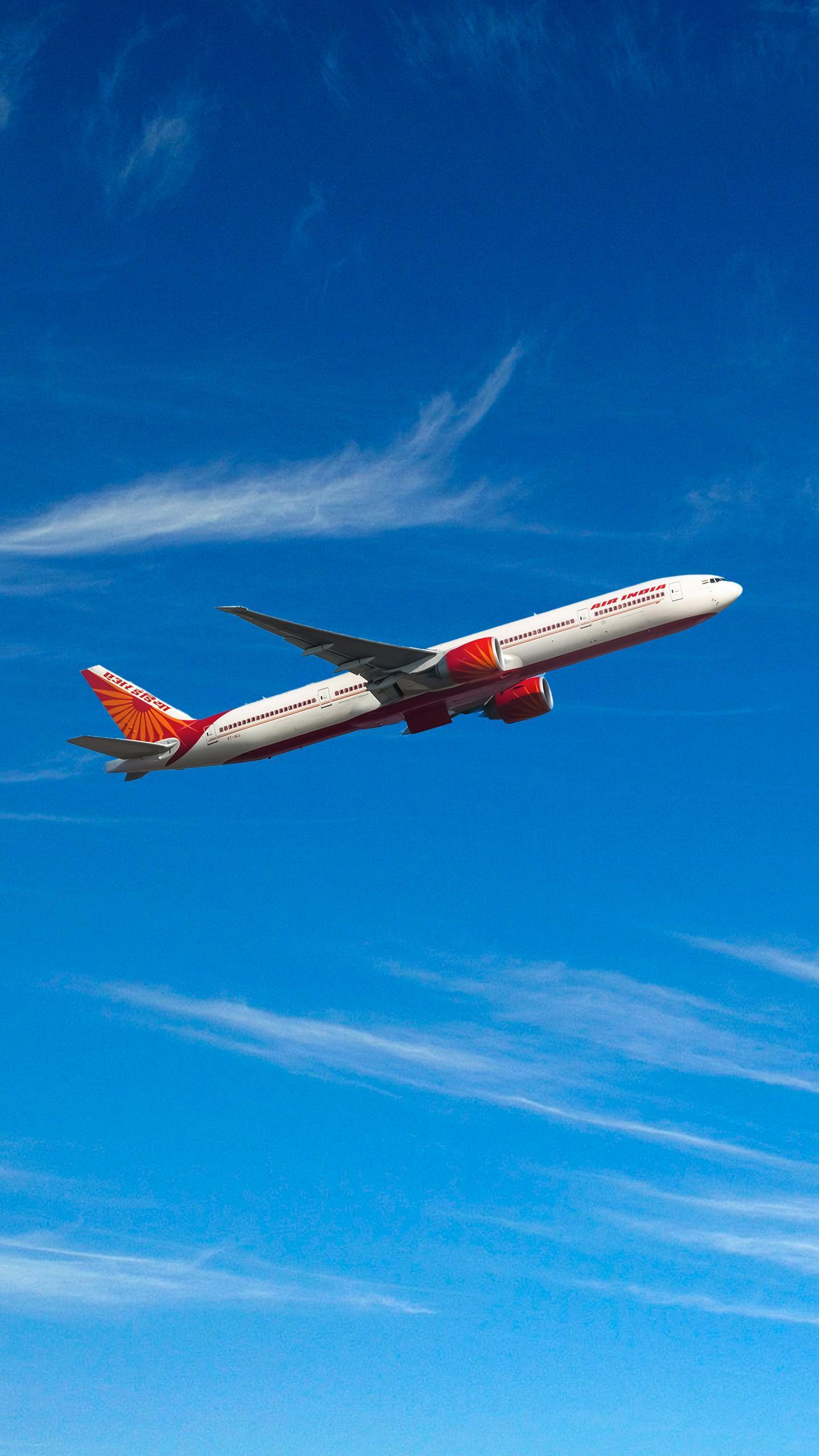
Air India is set to inaugurate five weekly non-stop services connecting Delhi and Hanoi, commencing May 1. This new route significantly enhances travel
possibilities to Vietnam, complementing the existing daily flights to Ho Chi Minh City. This strategic addition provides travellers with greater flexibility, enabling them to explore diverse Vietnamese cities like Hanoi and Ho Chi Minh City within a single trip through popular 'open-jaw' itineraries. These flights will be operated using state-of-the-art Airbus A320neo aircraft, featuring three distinct cabin classes: Business, Premium Economy, and Economy. The introduction of this service is projected to add over 7,000 seats monthly between India and Vietnam, catering to the burgeoning demand. Vietnam has emerged as a leading travel hotspot in Southeast Asia, welcoming over 20 million visitors in 2025, making it the third most visited country in the region. Its appeal spans both leisure travellers and corporate groups interested in MICE activities.
Tokyo's Haneda Gateway
In addition to the Vietnamese expansion, Air India is also enhancing its presence in Japan with four weekly non-stop flights planned between Mumbai and Tokyo's Haneda Airport, starting in June. These services will utilize the sophisticated Boeing 787-8 Dreamliner, an aircraft ideally suited for extensive international journeys. This new Mumbai-Tokyo route will work in tandem with the airline's current operations connecting New Delhi to Tokyo Haneda, thereby reinforcing India's air links with Japan. This strategic expansion is driven by a notable surge in travel demand from India to both Japan and Vietnam, as highlighted by Air India's Chief Commercial Officer. The airline is committed to facilitating this growth while simultaneously fostering stronger business and economic relationships between these nations. Japan, in particular, has experienced a significant rise in Indian visitors, with over 315,000 Indians visiting in 2025, a substantial 35 percent increase from the previous year and almost 80 percent higher than pre-pandemic figures.
Network Enhancement Strategy
Since its acquisition by the Tata Group, Air India has been proactively broadening its global reach, with a particular focus on Southeast Asia and the Far East. This strategic network development includes optimizing flight schedules to streamline passenger connections across continents. The airline already boasts a codeshare arrangement with All Nippon Airways, a member of the Star Alliance. This collaboration allows passengers travelling to Tokyo to seamlessly connect to numerous other Japanese cities, including Fukuoka, Hiroshima, Nagoya, Okinawa, Osaka, and Sapporo. Further underscoring its commitment to the Japan market, Air India recently boosted the frequency of its Delhi–Tokyo (Haneda) flights from four to seven per week on February 14, upgrading the aircraft to the larger Boeing 787-9 Dreamliner. The introduction of these new routes to Hanoi and Tokyo aims to solidify India's air connectivity with key Asian hubs and support the escalating demand for both tourism and business ventures.