





Traditional Coverage Gaps
Historically, Indian health insurance has primarily focused on medically necessary treatments that necessitate hospitalization or specific daycare procedures.
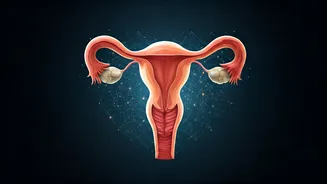
This means conditions common among women, such as those related to menstruation and reproduction, often receive coverage only when they escalate to a point requiring significant medical intervention like surgery. For instance, while policies might cover surgical procedures for conditions like endometriosis, the ongoing management through medication or consultations might fall outside the typical indemnity-style plan's scope. Similarly, anemia treatment is covered if it's linked to a policy-defined medical condition, but any related impact on fertility would likely be excluded, as most plans specifically exempt fertility treatments unless a special rider or specialized product is purchased. This limited scope reflects a bias towards inpatient care, often overlooking the importance of preventative services, routine monitoring, and outpatient treatments that are vital for long-term women's health.
Emerging Comprehensive Plans
A significant shift is underway in the Indian health insurance landscape, with new policies emerging that aim to provide a more holistic approach to women's health. These newer insurance products are not merely extending coverage to inpatient treatments but are designed as comprehensive healthcare solutions. They are beginning to integrate services that were previously undercovered or entirely excluded. This includes vital aspects like doctor consultations, diagnostic testing, and assistance with pharmacy and medication expenses. Furthermore, these evolving plans are incorporating routine health monitoring and wellness services, acknowledging the importance of preventative care and proactive health management. This redefinition of coverage seeks to better align insurance offerings with the practicalities of how women access healthcare in their daily lives, where regular doctor visits and ongoing condition management can be as crucial as emergency hospitalizations.
Broader Scope of Care
The latest wave of health insurance products designed for women is expanding their reach significantly, moving beyond the confines of hospital stays. These policies are increasingly recognizing and covering a wider spectrum of reproductive health concerns. This includes essential services such as maternity benefits, which are a cornerstone for many women, as well as crucial fertility testing. Additionally, these plans are offering ongoing condition monitoring for chronic issues like Polycystic Ovary Syndrome (PCOS) and endometriosis, conditions that require sustained management and support. This progressive approach represents a broader industry trend to integrate preventative medicine, early detection strategies, and a range of outpatient services into the fundamental structure of health insurance. By doing so, these plans are striving to offer women more equitable and meaningful access to healthcare, reflecting their real-world health journeys more accurately.
Bridging the Healthcare Divide
While the introduction of specialized insurance products is a positive step towards addressing women's health needs, significant gaps still persist between current coverage and the actual healthcare requirements of women in India. A primary challenge remains the traditional insurance model's continued heavy reliance on hospital coverage. However, many essential aspects of menstrual and reproductive health, such as routine outpatient visits, laboratory tests, prescription medications, and continuous monitoring, are not adequately supported. Furthermore, treatments related to fertility, including assisted reproductive technologies, and various forms of preventive or elective care are still largely excluded from standard health insurance plans. These persistent disparities highlight the ongoing need for further innovation and policy reform to ensure women have comprehensive and accessible healthcare coverage.