







Examine the Hallmark
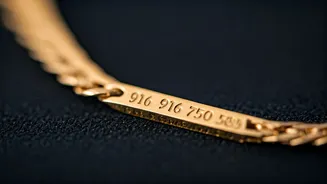
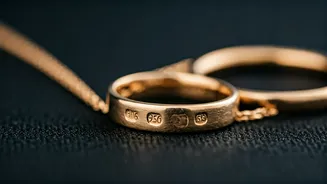
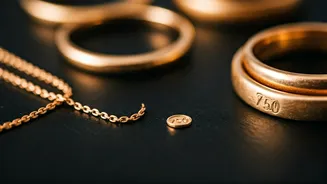
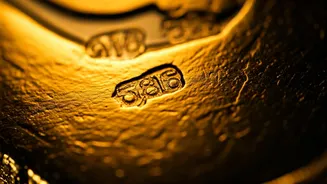
Your first line of defence in verifying gold jewellery is to scrutinize its hallmark stamp. In India, authentic gold pieces should bear the Bureau of Indian
Standards (BIS) logo, along with a purity indicator such as '22K916' for 22-karat gold or '18K750' for 18-karat gold. The hallmark also includes a jeweller’s specific mark. The absence of any such stamp is a significant cause for concern. However, it's crucial to remember that even hallmarks can be counterfeited, so this initial check should be complemented by further tests for a more reliable assessment.
The Magnet Test
Gold itself possesses no magnetic properties. A simple yet effective way to test for authenticity is to use a strong magnet. Bring the magnet close to your gold item; if you observe a noticeable attraction, it indicates the presence of other metals like iron or nickel within the jewellery, suggesting it is likely not pure gold. Be aware that not all non-gold metals are magnetic, so this test serves as a preliminary screening tool rather than a definitive confirmation of purity. It's a quick way to weed out pieces with obvious metallic inclusions.
Detect Discolouration
A keen observation of your gold jewellery can reveal much about its composition. Pay close attention to areas that experience frequent friction, such as clasps, edges, and points of contact with the skin. If you notice any signs of fading, the appearance of silver or copper tones beneath the surface, or the formation of dark spots and peeling, it strongly suggests that the item is gold-plated rather than solid gold. Genuine gold, particularly of higher purity, is renowned for its resistance to tarnishing and maintains its colour consistently over time without developing these tell-tale signs of wear.
Ceramic Plate Trial
For an additional home verification method, try the ceramic plate test. Take your jewellery and gently rub it against the unglazed surface of a ceramic plate. If the item is indeed real gold, it will typically leave behind a streak of gold colour. Conversely, if the streak produced is black, it is a strong indicator that the jewellery is made from a different, less precious metal. Exercise caution when performing this test, as it has the potential to cause minor scratches on delicate or intricately designed pieces of jewellery.
Observe Skin Reactions
Pure gold is inherently non-reactive with human skin. A significant indicator that your jewellery might contain a substantial amount of other metals is if it consistently leaves green or black marks on your skin after wear. While this is a useful observation, it's important to consider that external factors like sweat, lotions, perfumes, and individual skin chemistry can also contribute to skin discolouration. Therefore, this skin reaction test should not be relied upon as the sole basis for determining authenticity; it's best used in conjunction with other verification methods.