






January's Impressive Climb
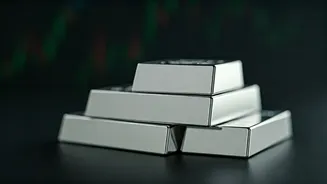
The month of January brought remarkable gains for silver, with prices surging and inching closer to the Rs 3 lakh milestone. This upward trajectory in the value
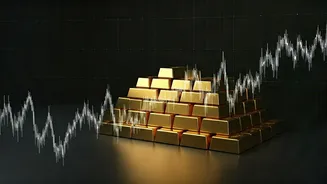
of silver represents a considerable jump, suggesting robust market activity and heightened investor interest. The rally indicates an increase of 22% in silver prices. This surge reflects the dynamic nature of the commodities market and the influence of several economic elements. The price movement also showcases the impact of market sentiment and trading behavior, as investors react to global economic news and local market dynamics. The rally suggests a positive outlook and further development. Various factors are expected to influence the movement of silver prices, including fluctuations in the currency market, changes in supply and demand, and shifts in investment patterns.
Market Dynamics at Play
Several market dynamics likely contributed to the impressive performance of silver in January. Understanding the interplay of these factors is crucial for grasping the forces behind the price rally. Currency fluctuations, particularly movements in the rupee's exchange rate, can significantly affect the attractiveness of silver for investors. When the rupee weakens, silver, often priced in US dollars, can become more expensive for Indian buyers, potentially boosting demand. Trading activities also play a major role in silver's price movements. High volumes of buying and selling, influenced by news, speculative trading, and investment strategies, can intensify price volatility and shape trends. Furthermore, global economic developments and investor sentiment affect silver prices. Events such as shifts in interest rates, changes in economic growth expectations, and geopolitical uncertainties influence how investors perceive precious metals like silver, which are often considered safe-haven assets.
Technical View Analysis
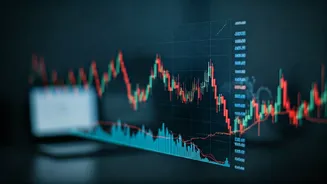
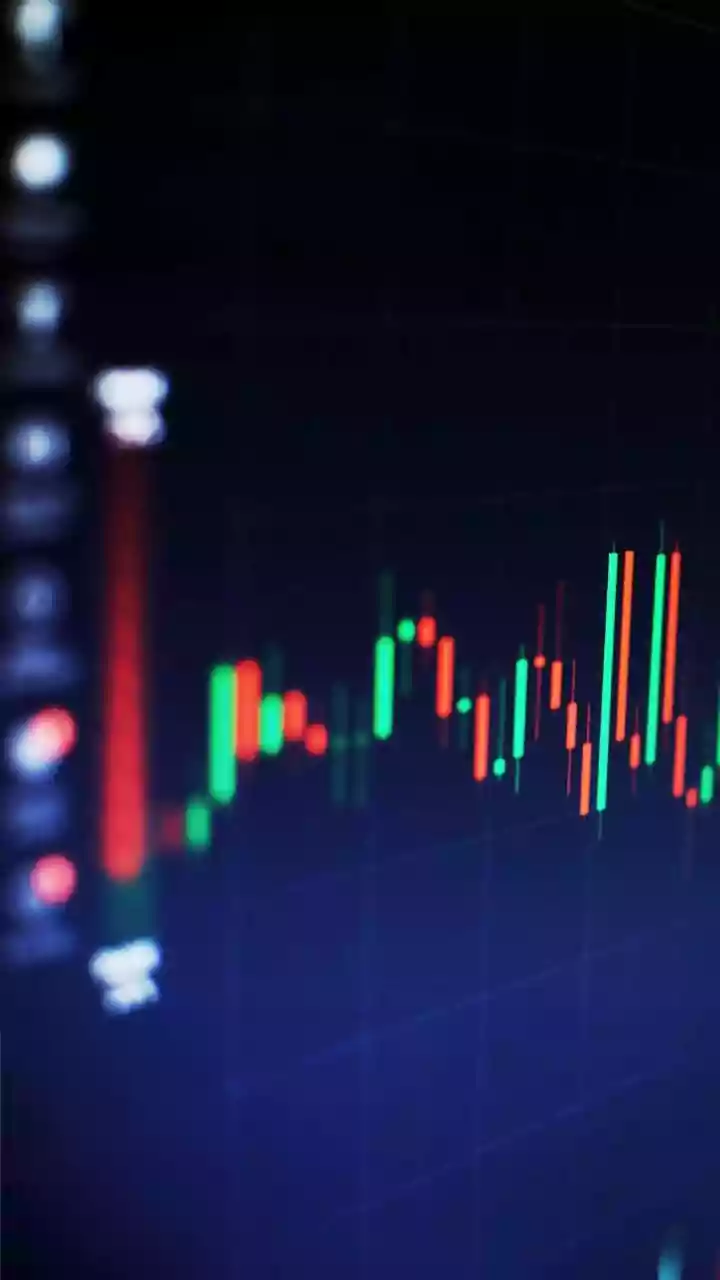
Analyzing the technical view of the silver market provides deeper insights into the rally. Technical analysis uses historical price data and chart patterns to anticipate future price movements. Examining key indicators such as support and resistance levels, moving averages, and trading volumes can reveal important information about the strength and sustainability of the rally. Identifying support levels indicates where prices have historically found buying interest, whereas resistance levels signify price points where selling pressure may emerge. Moving averages help to smooth out price fluctuations and highlight underlying trends. Trading volume provides an insight into the conviction behind price moves. High volume accompanying price increases strengthens the bullish view, while low volume could suggest a lack of support. Combining these technical elements can aid in identifying potential entry and exit points for trades, helping to assess the overall trend direction of the silver market.
Rupee and Commodities
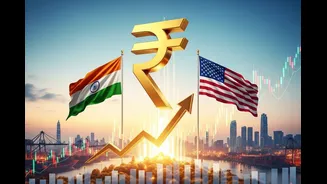
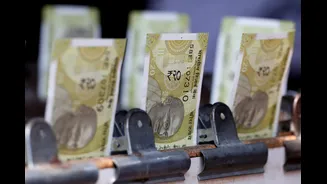
The relationship between the Indian Rupee and commodities, particularly silver, is an important factor to consider when analyzing the recent surge in prices. The value of the rupee against other currencies, especially the US dollar, directly affects the cost of imported commodities like silver. When the rupee weakens against the dollar, the relative cost of silver goes up, leading to a rise in prices in the local market. This interplay often encourages investors to consider silver as a hedge against currency devaluation. Silver's perceived value as a safe haven asset during times of economic uncertainty also plays a role in this dynamic. As investors seek to protect their capital, they may allocate funds to precious metals like silver, thereby supporting demand and contributing to price increases. Monitoring the Rupee's movements and their effect on commodity prices helps investors and traders make well-informed decisions.