








Cultural Significance
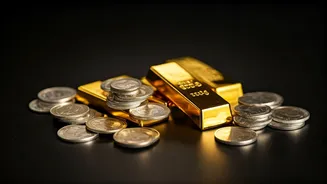
Gold and silver in India are deeply intertwined with cultural traditions, playing crucial roles in various ceremonies, festivals, and life events. These
metals are often gifted during weddings, births, and religious occasions, representing prosperity and good fortune. This cultural reverence fuels consistent demand, influencing market dynamics. Furthermore, the precious metals are viewed as a safeguard against economic uncertainties, as well as a tangible store of value passed down through generations. Historically, gold and silver have been considered a hedge against inflation and economic downturns, adding to their appeal as a safe-haven investment. This perception, coupled with cultural practices, helps drive the consistent demand for these metals, positioning them as essential elements in the Indian financial landscape.
Investment Strategies Examined
Indians have a wide range of avenues for investing in gold and silver, including physical forms like bars and coins, exchange-traded funds (ETFs), and sovereign gold bonds. Each option has its own set of advantages and considerations. For instance, physical gold offers a sense of tangible ownership and can be readily used in times of need. However, it also involves storage costs and security concerns. Gold ETFs provide a convenient and liquid way to invest in gold without the need for physical storage, as well as being subject to market fluctuations. Sovereign gold bonds offer an interest component alongside the gold price appreciation. The choice of investment strategy often depends on individual financial goals, risk tolerance, and investment timeframes. Furthermore, investors should consider the impact of capital gains tax on the profits made from selling gold and silver investments. Understanding these tax implications is vital for making informed decisions and optimizing returns.
Market Trends and Analysis
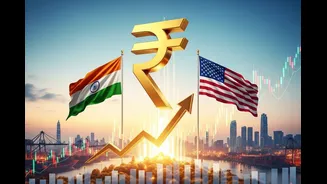
Recent market trends reveal dynamic price movements for both gold and silver. There have been instances where gold prices have reached record highs, while silver has experienced significant surges. These fluctuations are influenced by various factors. Global economic conditions, including inflation rates, interest rate decisions by central banks, and geopolitical events, significantly impact the prices of these precious metals. During times of economic uncertainty, investors often seek the safe-haven status of gold, driving up demand and prices. Additionally, currency fluctuations, supply and demand dynamics, and investor sentiment contribute to the volatility in the market. Analyzing these trends, market analysts provide predictions and outlooks, such as the expectation of India's record IPO boom extending into the year 2026. Understanding these trends and the factors influencing them is critical for any investor looking to navigate the gold and silver markets.
Tax Implications
Capital gains tax plays a crucial role in the investment decisions related to gold and silver in India. Profits earned from the sale of gold and silver are subject to taxation. The applicable tax rate depends on the holding period of the investment. Short-term capital gains, arising from the sale of assets held for less than a specified period (typically 36 months), are taxed at the investor's income tax slab rate. Long-term capital gains, on the other hand, benefit from a concessional tax rate after the specified holding period. Investors should be aware of these tax implications when planning their investments and sales. Furthermore, understanding the nuances of tax regulations, such as exemptions and deductions, can help investors optimize their returns. It's advisable to consult with a financial advisor or tax expert to ensure compliance and make informed decisions regarding tax liabilities and investment strategies.
Outlook and Future
The outlook for gold and silver in India remains robust, supported by strong cultural demand and their perceived role as safe-haven assets. Experts anticipate that the market will continue to evolve, influenced by global economic shifts and evolving investment preferences. Factors such as inflation, interest rate policies, and geopolitical events are expected to shape the direction of prices. Investment strategies and market trends will also play a key role in the future of the market. The continued growth in the Indian economy, along with increasing wealth and financial literacy, is expected to encourage investment in these precious metals. Additionally, technological advancements, such as digital gold platforms and online trading, are making it easier for a wider audience to participate in the market. The long-term price outlook for silver, despite short-term fluctuations, generally remains positive. Overall, the dynamic market calls for continuous monitoring of market trends, coupled with informed decision-making to optimize investment outcomes.