








Key Benefits Unveiled
India and the United States have successfully established a framework for an interim trade agreement, with ongoing discussions aimed at a comprehensive
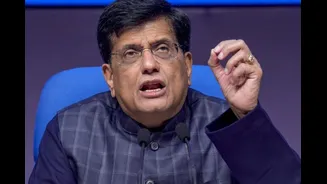
Bilateral Trade Agreement. Minister Piyush Goyal emphasized that this interim pact prioritizes the protection of Indian farmers, ensuring no sensitive agricultural items or dairy products are compromised. Notably, no genetically modified organisms will be permitted entry into India, and tariff concessions have not been extended to crucial items like meat, poultry, dairy, soybeans, maize, rice, wheat, sugar, millets, and various fruits. This strategic exclusion is designed to shield domestic producers from adverse market impacts. The agreement is anticipated to provide a significant boost to Micro, Small, and Medium Enterprises (MSMEs), particularly those employing a large number of women and young individuals, by opening up new avenues for growth in labor-intensive sectors such as textiles, leather, toys, and jewelry.
Zero Duty Exports Detailed
A significant aspect of the interim trade agreement is the provision of zero-duty access for a wide array of Indian exports to the US market, with tariffs previously ranging as high as 50 percent now eliminated for these items. This tariff liberalization applies to a diverse range of products, including precious gems and diamonds, pharmaceutical goods, generic medications, smartphones, critical aircraft and machinery parts, certain automotive components, platinum, clocks and watches, essential oils, home décor items like chandeliers and lamp parts, specific inorganic chemicals, and select paper, plastic, and wood products. This preferential access is expected to substantially enhance the competitiveness of Indian goods on the global stage, fostering increased export volumes and economic development across multiple manufacturing and artisanal sectors. The move is poised to create substantial employment opportunities by stimulating growth in export-oriented industries.
Agricultural Gains Realized
In the agricultural sector, the interim pact introduces reciprocal zero-tariff arrangements for an extensive list of products, offering Indian exporters a significant advantage. Many agricultural goods that previously faced tariffs up to 50 percent will now enter the US duty-free. This includes important commodities such as spices, tea, coffee, copra, coconuts and coconut oil, vegetable wax, areca nuts, Brazil nuts, cashew nuts, chestnuts, and a variety of fruits and vegetables. Furthermore, agricultural exports like avocados, bananas, guavas, mangoes, kiwis, papayas, mushrooms, vegetable saplings, vegetable roots, barley, and several processed food items will also benefit from this duty elimination. This strategic move aims to bolster India's agricultural export capabilities and further integrate its produce into the global supply chain.
Automotive & Aviation Boost
The automotive and aviation sectors are poised to experience considerable benefits from the interim trade agreement. India will gain zero-duty access for a number of auto components, with other parts falling into an 18 percent tariff bracket, meaning approximately half of India's auto parts exports will now be duty-free. This preferential treatment is expected to boost manufacturing and export activities within India's automotive industry. In the aviation sector, key players like Boeing and Airbus are increasingly viewing India as a crucial manufacturing hub for aircraft parts. Both companies are actively seeking to expand their sourcing from India, recognizing its potential as a significant foreign original equipment manufacturer. This recognition signifies a major step towards solidifying India's position in the global aerospace supply chain.
Tariff Adjustments for Imports
As part of the trade negotiations, India has undertaken tariff reductions or removals on specific imported items, primarily those that are not produced domestically or are not manufactured in sufficient quantities to meet demand. These tariff adjustments will be implemented either immediately, in phases, or on a quota basis for certain goods. Products affected include apples, Distillers Dried Grains with Solubles (DDGS), wines and spirits (subject to a minimum import price), pistachios, walnuts, almonds, certain industrial inputs, critical medicines for cancer and heart conditions, neurological drugs, select cosmetic products, various organic and inorganic chemicals, Information and Communication Technology (ICT) products, computers, and medical equipment. These adjustments aim to balance trade interests while ensuring the availability of essential goods and inputs for the Indian economy.
ICT Imports: A Win
The agreement marks a significant victory for India with the US agreeing to supply critical ICT products essential for the nation's ongoing development and security needs. This access to vital technology underscores the deepening strategic partnership between the two countries. When questioned about potential implications regarding the "non-market policies of third parties" mentioned in the joint statement, Minister Goyal indicated that those knowledgeable would understand the context. Overall, the interim trade deal is viewed as striking an effective equilibrium between fostering export growth and ensuring robust domestic protection, aligning with India's national interests and securing a balanced trade relationship.