








Understanding Exclusions
When international relations sour and lead to widespread conflict, the terms of your travel insurance policy become critically important. Many Indian travelers
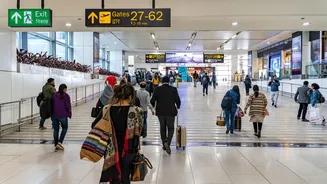
found themselves in precisely this situation, stranded due to major offensives and subsequent retaliatory strikes that paralyzed air travel across West Asia and beyond. In response to prolonged stays and the uncertainty of travel, many sought to extend their existing international travel insurance coverage. However, it's essential to grasp the fundamental principle that standard insurance policies, including those for travel and global health coverage, typically exclude losses directly attributable to war or war-like scenarios. The underlying rationale is to ensure that insurance remains focused on the everyday risks travellers commonly encounter, such as illnesses, accidents, flight disruptions due to technical issues or strikes, and natural calamities. An exclusion clause is specifically invoked when a travel disruption stems directly from large-scale hostilities, invasions, or rebellions – events that fall outside the typical scope of travel-related contingencies and are beyond the predictable risks of transit.
Ripple Effects of Conflict
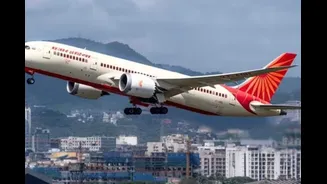
The impact of regional conflicts extends far beyond the immediate vicinity, creating widespread travel disruptions. Even journeys to seemingly distant destinations like Europe can be affected, not just by direct flight cancellations but by the closure of entire airspaces. This means that flights, even those not passing over a conflict zone, may be rerouted or canceled due to broader airspace restrictions. Insurers maintain a consistent global application of these exclusion clauses, aiming to provide travelers with clear understanding of their policy's limitations. Consequently, if your trip is interrupted or canceled due to hostilities leading to airspace closures, you will likely find that your trip interruption or cancellation claims are not honored under the travel insurance policy. In such unprecedented circumstances, your primary recourse shifts to the airline itself. Fortunately, many airlines, recognizing the extraordinary nature of these events, have proactively offered complimentary rescheduling, refunds, or waived cancellation fees to assist passengers affected by the disruptions.
Claims During Hostilities
It is crucial to recognize that not all travel disruptions are treated equally by insurance providers, especially in the context of armed conflicts. While disruptions stemming from routine travel issues like airline strikes, technical malfunctions with aircraft, adverse weather conditions, or natural disasters are generally covered, those directly linked to military activity or conflict, such as airspace closures due to ongoing hostilities, fall under the exclusion clause. This distinction is vital. For instance, if your trip to Europe were to be canceled due to a strike or a storm, your travel insurance would typically cover the associated costs. However, if the cancellation is a direct consequence of military actions or conflict-related events, such as the closure of air corridors, your claim would likely be rejected. Furthermore, official government advisories against travel to conflict-affected regions can also impact the validity of claims, as these advisories are often considered by insurers as an indicator of heightened risk beyond the scope of standard coverage.
What's Covered and What's Not
Navigating travel insurance during periods of conflict requires a clear understanding of specific inclusions and exclusions. While war and war-like situations are standard exclusions, meaning direct losses from such events are generally not covered, other situations may still be compensable. For example, if you experience a medical emergency due to an illness unrelated to the conflict, or suffer an accident that is not a direct result of military action, your travel insurance policy will typically provide coverage. This also extends to routine travel risks that are not exacerbated by conflict. However, expenses related to evacuations from war zones, whether organized by the government or private entities, are generally not covered. Similarly, injuries sustained directly from military action or violence are excluded. Conversely, if your trip is disrupted due to non-war related issues such as airline strikes, technical problems, severe weather, or natural disasters, you can still file a claim. Even in strife-affected regions, your travel cover remains in force for non-conflict-related emergencies. If a student in a conflict zone like Iran or Israel faces a medical emergency, their policy can cover treatment and necessary evacuation, provided it's not due to war, civil unrest, or political disturbances.
Adapting Insurance Policies
The insurance industry is actively responding to the evolving landscape shaped by geopolitical instability and its impact on travel. Recognizing the need for greater flexibility, insurers are exploring ways to accommodate conflict-linked travel disruptions. This includes a review and potential rejigging of cancellation and rescheduling policies. Some companies are considering selectively waiving cancellation charges or permitting free rescheduling of travel plans, acknowledging the widespread impact of such events on travelers. For those planning trips to Europe, particularly for upcoming summer vacations, purchasing travel insurance typically occurs 30-40 days in advance, often as a mandatory requirement for obtaining a Schengen visa. If fears of disruption prompt a reconsideration of European travel plans, it's important to remember that standard travel insurance products are unlikely to cover flight or hotel cancellation expenses arising solely from conflict-related anxieties. However, insurers are working towards solutions that offer travelers more options and clarity in uncertain times, with some looking to introduce specific coverages or adjust existing terms to address these unique challenges.