







The 48-Hour Booking Window
A significant perk for air travelers in India is the "Look-in option," a regulatory provision allowing passengers a 48-hour window immediately following
their ticket booking to make changes or cancel without incurring penalties. This period offers a safety net, permitting amendments to flight details or complete cancellations, with the only potential cost being the difference in fare for any revised travel dates. This facility, effective from March 26, 2026, aims to provide flexibility and prevent last-minute booking regrets. Airlines are mandated to offer this option, ensuring that passengers have ample time to reconsider their travel plans or rectify any initial booking errors without financial repercussions, beyond the standard fare adjustments for changed itineraries. The Directorate General of Civil Aviation (DGCA) has established this rule to enhance passenger convenience and transparency in the booking process.
Refund Timelines & Methods
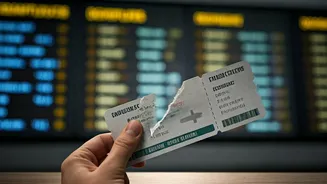
When a flight ticket is cancelled, the speed and method of your refund depend on how you made the original payment. For credit card transactions, airlines are obligated to process the refund back to your account within seven days of the cancellation. If you paid in cash, the airline's office from where the ticket was purchased should issue an immediate refund. For tickets bought through travel agents or online portals, the airline remains ultimately responsible for ensuring the refund is completed. The overall timeframe for completing the refund process, irrespective of the payment method, should not exceed 14 working days. The DGCA mandates these timelines to ensure passengers receive their money back promptly.
Cancellation Charges Explained
Airlines are restricted in the amount they can charge passengers for cancelling a flight ticket. The DGCA specifies that under no circumstances can the cancellation charges levied by the airline or its appointed agents exceed the sum of the basic fare and the fuel surcharge. This means passengers should not be charged more than these two components of the ticket price. Any additional charges imposed by travel agents, beyond what the airline allows, must be clearly communicated and disclosed to the passenger at the time of booking. Airlines are responsible for ensuring their contracts with agents uphold this rule, protecting passengers from unexpected fees. Furthermore, airlines must transparently indicate the exact refund amount admissible upon cancellation, either on the ticket itself or a separate document, and display their refund policy clearly on their websites.
Medical Emergencies & Other Cancellations
In situations where a flight ticket needs to be cancelled due to a medical emergency, specific provisions are in place. If the passenger, or a family member listed on the same booking (PNR), is hospitalized during the intended travel period, airlines have the discretion to offer either a full refund or a credit shell for future travel. For all other medical circumstances not involving immediate hospitalization, a refund will only be processed after the airline receives a certificate of fitness to travel from a DGCA-approved Aerospace Medicine specialist. This process ensures that genuine medical needs are accommodated while maintaining procedural integrity for refunds. The airline should not impose extra fees for processing refunds in such cases.
Name Correction & Tax Refunds
Passengers can benefit from a grace period for correcting minor errors on their flight tickets. If a booking is made directly through an airline's website, and a passenger points out a name error within 24 hours of booking, the airline should not levy any additional charges for making the correction. This applies specifically to correcting the name of the same individual. Beyond name corrections, a crucial aspect of refunds involves statutory taxes and fees. Airlines are required to refund all statutory taxes, User Development Fees (UDF), Airport Development Fees (ADF), and Passenger Service Fees (PSF) to passengers, regardless of the ticket's fare type, including promotional or non-refundable fares, in cases of cancellation, non-utilization, or no-show. This ensures passengers are not out of pocket for government-levied charges when travel does not occur.