





PMAY-U 2.0 Explained
Pradhan Mantri Awas Yojana - Urban 2.0 (PMAY-U 2.0) is a government initiative focusing on providing affordable housing for urban areas. The primary aim
of the program is to address the housing needs of urban poor and those with a specific target to provide housing to all eligible urban households. PMAY-U 2.0 operates under the Ministry of Housing and Urban Affairs. The scheme supports various components, like beneficiary-led construction, affordable housing in partnership, credit-linked subsidy scheme, and in-situ slum redevelopment. It seeks to ensure that every eligible urban citizen has a pucca house. States and UTs play a pivotal role in its implementation, and the scheme is funded through a combination of central and state contributions.
Eligibility Criteria Unveiled
To qualify for benefits under PMAY-U 2.0, applicants need to fulfill specific eligibility requirements. Typically, individuals and families who do not own a pucca house or land in their name are eligible. Economic criteria usually dictate the income segments, which are typically divided into Economically Weaker Section (EWS), Lower Income Group (LIG), and Middle Income Groups (MIG). The guidelines set by the Ministry of Housing and Urban Affairs determine the income cut-off for each category. Other factors that come into play are the applicant's citizenship and residence within an urban area covered by the scheme. Detailed verification and documentation, including proof of income, address, and property details, are critical during the application process. Meeting these criteria makes it possible for applicants to avail the benefits.
State/UT Participation
States and Union Territories (UTs) have a significant part in the implementation of PMAY-U 2.0. They collaborate with the central government to identify beneficiaries, allocate funds, and oversee project execution. The process involves identifying eligible urban areas and assessing housing needs. States develop plans, design projects, and integrate the PMAY-U scheme into their housing programs. They are responsible for promoting the scheme, conducting awareness campaigns, and assisting potential beneficiaries. They also ensure the quality of construction and timely completion of projects through regular monitoring and evaluation. Moreover, states and UTs provide land for housing projects and streamline the approval processes. Their participation is vital to the success of PMAY-U 2.0.
Prior Benefits and PMAY-U 2.0
The question of whether individuals previously curtailed under PAMY-U can avail benefits under PMAY-U 2.0 is an important one. The answer hinges on the specific circumstances and the guidelines of the updated scheme. Generally, if a beneficiary was earlier deemed ineligible or faced issues under PAMY-U, they should verify with the current guidelines. Key points to consider include the reasons for curtailment in the first scheme, the current eligibility criteria of PMAY-U 2.0, and any changes in their financial or housing status. If the reasons that led to the curtailment under PAMY-U have been resolved, and if they now meet PMAY-U 2.0's criteria, they could be eligible. Prospective applicants are advised to seek clarity from local authorities and review the official PMAY-U 2.0 guidelines.
PMAY-U 2.0's Coverage
PMAY-U 2.0 covers a comprehensive range of housing assistance to the urban poor. It includes initiatives such as beneficiary-led construction, which offers financial assistance to eligible families to build houses. There is also the affordable housing in partnership, wherein private developers and state governments are encouraged to construct affordable homes. A crucial component is the credit-linked subsidy scheme (CLSS), providing interest subsidies on home loans. Additionally, the scheme supports in-situ slum redevelopment. All of these components are designed to meet diverse housing needs across different income segments and ensure the overall aim of 'Housing for All' in urban India.
Budgetary Changes Noted
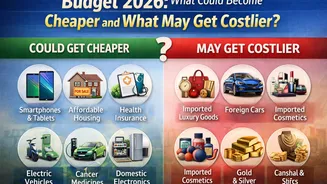
Regarding the Union Budget 2026 and any changes to the Pradhan Mantri Awas Yojana (PMAY), it is important to check the official budget documents and statements made by the government. Such information will clarify whether any alterations have been made to the scheme's funding, scope, or implementation guidelines. Budgetary adjustments can impact the allocation of funds for various components of PMAY-U 2.0 and may affect the availability of resources for beneficiaries. Following the official announcements will provide a clear understanding of the budget's effect on the scheme and its implementation. For the most accurate and up-to-date information, it's best to consult the relevant government publications and announcements directly.