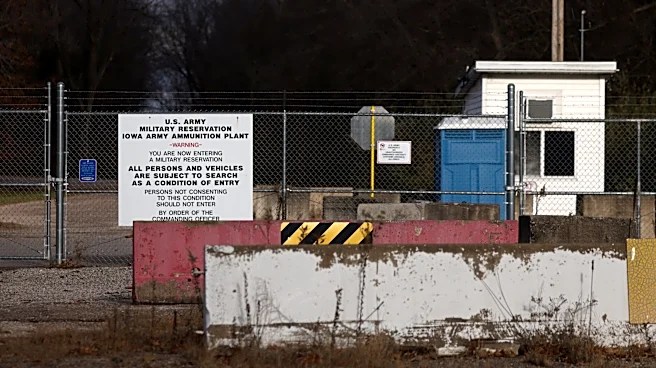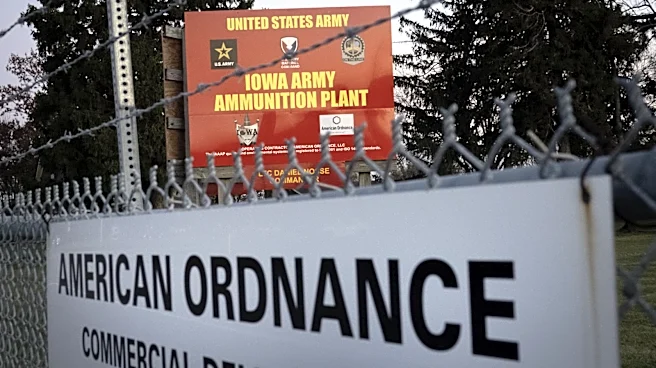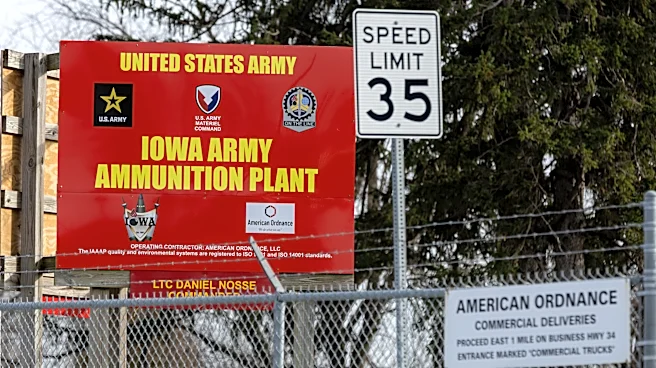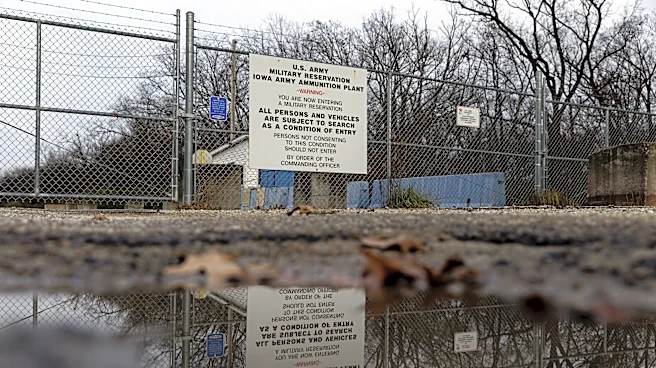





The detonation of the nation's aging stockpile of lead azide, which spurred widespread concerns about potential environmental contamination, has been deemed a success by the U.S. Army. But questions remain about how and when the federal government communicated its plans.
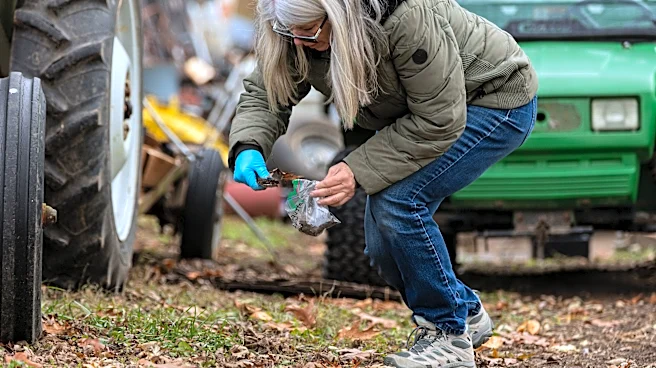
The U.S. Environmental Protection Agency said about 300 people spent Thursday in the field sampling schools, playgrounds, churches and homes across the region. Results were expected
in the coming days.
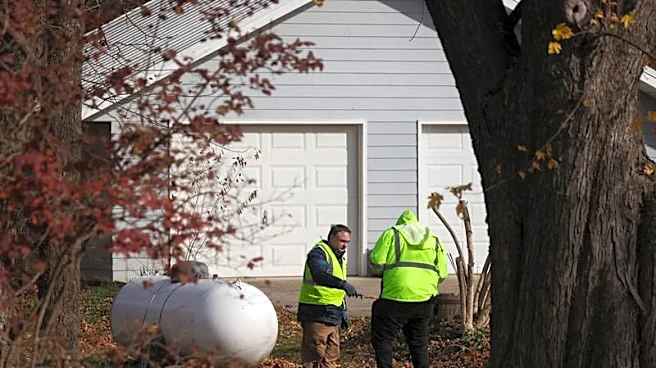
More than 1,500 samples were taken of air, water, soil and dust before the detonation. After, they took hundreds of samples including from homes, parks and drinking water, the EPA has said.
So far, the EPA said there has continued to be “zero” airborne lead detected in the region since Wednesday’s controlled detonation.
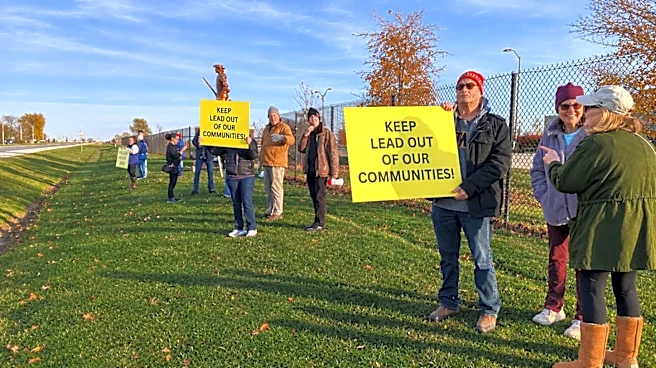
While that's reassuring, residents and some elected officials have criticized the Army for not being more transparent and providing more notice when it first determined the stockpile was unstable.
A notice that plant managers planned to neutralize the stockpile was posted on a government website. Growing concern led to a plant closure in March that was publicized, and an October public meeting warned that the chemicals would soon need to be detonated.
Residents in the tiny town of Middletown, where the Army stockpile was held, knew of the plans, but few others did — and the warnings largely failed to register with elected officials and the broader public until days before the planned detonation.
Democratic Gov.-elect Rob Sand is among those calling for an investigation into why the lead azide was allowed to get to this precarious point.
“The lead-up to the detonation should never have been so chaotic and unclear,” he said after the detonation.
Middletown Mayor Rodney Johnson and fellow residents said they were anything but blindsided. They learned of the problem when the Iowa Army Ammunition Plant was temporarily closed in March.
Johnson said he was briefed by the plant commander at the time and shown photos of the bunkers where the 68 barrels had been stored since being transferred there nearly two decades ago.
A working group assembled by the Army in January spent months charting a path forward and in October, about 200 residents attended a public meeting where experts outlined the urgency of detonating the hazardous material before it could spark a chain reaction of unintended explosions.
The Army said then they were aiming for a date in November and that the weather would dictate the schedule.
The Army submitted an application to the EPA in late October, winning approval from regulators within about two weeks. The lengthy document covered everything from the alternatives that had been considered to the environmental sampling that would follow and community engagement that was required.
“Because this action may raise public concerns related to noise, blast effects, and potential environmental contamination, this Community Engagement Plan establishes the framework for proactive, transparent communication with the EPA, local elected officials, the Middletown community, the media, and other interested stakeholders,” the application states.
Johnson has said he believes the Army did its job.
“Unfortunately negative social media and unconfirmed theories have made this task more complicated for all parties involved,” he said in a social media post after a legal challenge delayed the original Nov. 20 date for the detonation.
At the time, he said Middletown residents were fearful, not knowing when the lead azide would be taken care of so they could get on with their lives.
Environmentalists and other critics argued that the Army should have cast a wider net, providing information sooner to more downwind communities. They said contamination from toxic lead dust can have long-lasting health and environmental impacts and people needed time to prepare.
“The failure of communication and transparency throughout the planning process is inexcusable and left many Iowans feeling confused, helpless, and scared,” said Josh Turek, a Democratic state lawmaker who was recently elected to Iowa's open U.S. Senate seat.
The EPA issued public advisories about the flurry of required permitting as early as May. The agency said in a letter to Iowa Gov. Kim Reynolds that those notices went to Iowa's congressional delegation, state lawmakers and local officials.
Reynolds' office did not answer emails asking whether the governor knew about the plant's shutdown in March or the permit advisories. Some Democratic state lawmakers said they were blindsided, while Iowa House Majority Leader Bobby Kaufmann, a Republican, said he had concerns about how notification was handled.
U.S. Sen. Joni Ernst, a Republican and former lieutenant colonel in the Iowa Army National Guard, said that although the Army began discussing disposal with some communities months ago, critical details about the plume and how far it could reach weren't part of those conversations.
“At a time when trust in our institutions is already low, the military owes the people it serves more transparency, not less,” Ernst said in a statement the day before the detonation.
The situation turned into political finger-pointing, said U.S. Sen. Chuck Grassley. The Iowa Republican noted that his office had been in contact with federal officials since March and that the Oct. 15 town hall was well attended.
“But it's clear it wasn't enough,” he said earlier this week, vowing to continue pressing for answers so people have a better understanding of the Army's decision-making process.
With the public outcry and the legal delay, environmentalists said the Army had more time to put in additional safeguards, such as special tarps and foam designed to keep more contaminants from escaping.
The EPA also was able to bring in more staffers and contractors to help with air, water and soil sampling.
The Army and a host of Trump administration officials lauded Wednesday's detonation as a success, saying monitors hadn't turned up any lead in the air since the blast.
According to court documents and briefings by federal officials, much of the lead azide stockpile had been transferred to the Iowa plant in 2009 and at the time records showed much of the material was old and already a concern for the military.
For years, contractors inspected the barrels and would replenish the water-ethanol solution that kept the lead azide stable. Court documents state that because crystals began to form inside the barrels and around the lids, the containers could not be opened. The last time they were replenished was September 2025, Army officials said.
It was then that plant operator American Ordnance first provided notice that the lead azide would need to be neutralized. The resulting contract was later withdrawn as the working group determined detonation was the safest way.