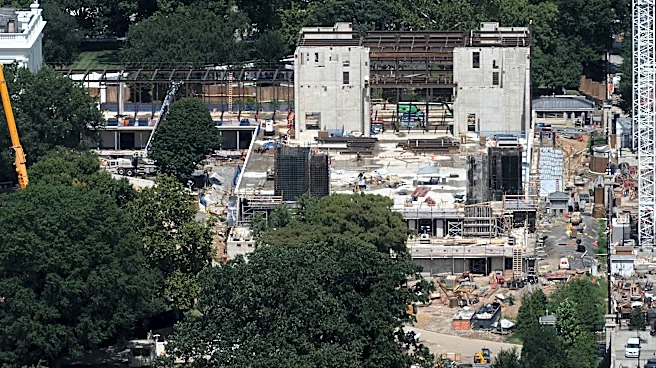



WASHINGTON (AP) — A divided Supreme Court on Monday allowed the White House to continue construction on a $400 million ballroom project as lawsuits play out.
The decision replaces a temporary order from Chief Justice John Roberts previously issued hours before a lower-court decision halting the work would have gone into effect.
The lawsuit will return to lower courts, but documents say that key portions of the project could be complete within months
— a quick timeline compared with a typical legal case.
The Trump administration asked the justices to intervene after federal courts found the project must halt because it didn't have congressional approval.
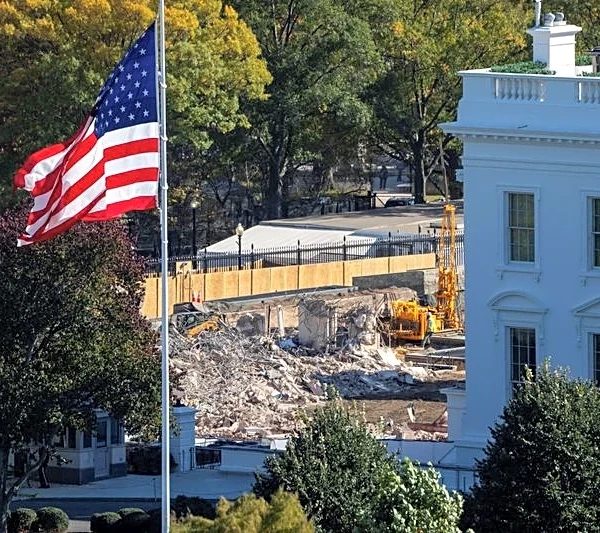
The lawsuit from the National Trust for Historic Preservation argued that President Donald Trump has no unilateral authority to undertake the work, which has included demolishing the East Wing. The group’s lawyers accused the White House of trying to “outrun the courts” by accelerating construction.
In lower courts, the administration has argued that the president has total authority to renovate the White House and other federal buildings. Government lawyers said the ballroom project must be completed due to national security concerns, though those were not an initial focus when Trump announced the work he said would be funded by private donations.
The administration has said crews are working 20 hours a day on the planned 90,000-square-foot (8,400-square-meter) ballroom. The framework is expected to be completed in November and much of the facade done by April, with full completion slated for August 2028, according to court documents.
U.S. District Judge Richard Leon ordered a stop to aboveground construction of the planned ballroom in April, though the order would allow work on bunkers and military installations below ground to continue. Leon was nominated by President George W. Bush, a Republican.
The ruling was suspended but later upheld by a divided appeals court panel. Two judges appointed by Democratic presidents found the project was for Congress to decide and “not a matter for Executive self-help.” A third judge, appointed by Trump, found that the preservationist group that challenged the project had no legal right to sue.
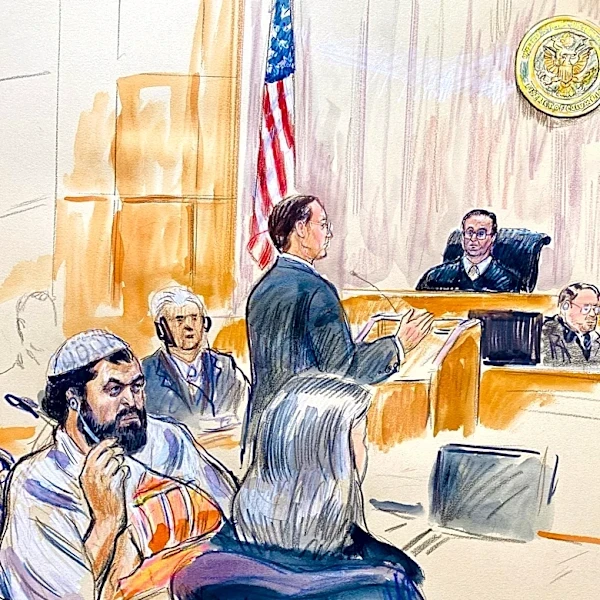
Solicitor General D. John Sauer also made that argument to the justices and said the decision halting the work was “extraordinary and unlawful.” He said the completion of the project was “vitally required by national security.”
The administration has scored a series of other victories on the high court’s emergency docket, though the justices have ruled against some of the president’s signature policies after fuller review.
___
Follow the AP’s coverage of the U.S. Supreme Court at https://apnews.com/hub/us-supreme-court.