





NEW YORK (AP) — Shoppers increased spending more slowly in October as economic uncertainty and high prices led more Americans to pull back on a variety of purchases from cars to clothing and furniture, even their hobbies, ahead of the unofficial start to the holiday shopping season.
Retail sales rose 0.2% in October, down from a 0.8% gain in September, according to the Commerce Department's report released Tuesday.
Sales at gas stations rose 1.5% last
month after spiking 30.3% in September. Excluding gas stations, retail sales rose just 0.1%.
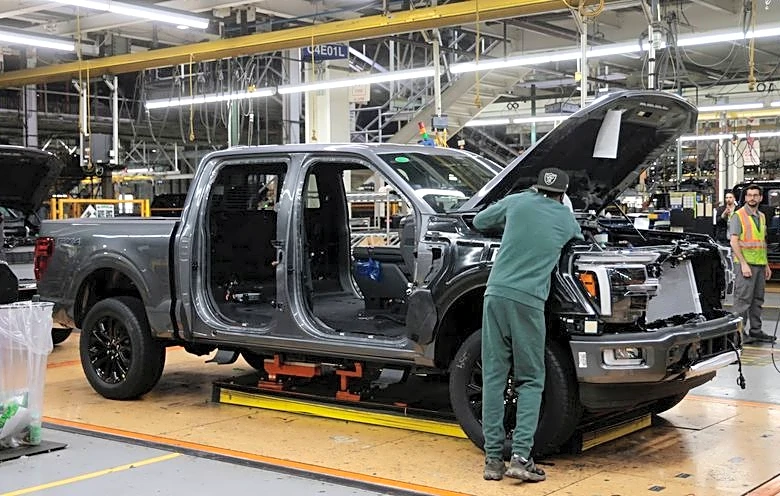
Overall retail sales were pulled down by decline in sales at motor vehicle and parts dealers. Auto vehicles and parts dealers had a 1.6% drop in sales in October, reversing a 1.3% increase in September. Excluding that sector, retail sales rose 0.6%.
Adjusting for higher prices, consumer spending was “negative,” according to Heather Long, chief economist at Navy Federal Credit Union. The Consumer Price Index rose 0.4% in October, according to data released last week, hotter than expected.
“The cautious consumer is back,” Long wrote Tuesday. “October retail sales were tepid. Budgets are tight for many households."
She noted the drop in gas prices in November will help free up some much-needed cash this holiday season, but middle-class and moderate-income households are “feeling the strain.”
Yet even with a recent decline in gas prices, a gallon still costs nearly 20% more than at this time last year.
Business was down at multiple types of businesses, including clothing stores and furniture and home furnishing retailers, last month, according to the report. Even the sporting goods, musical instruments, books and hobby store sector struggled with a decline in sales. That sector had been strong this past spring and summer as shoppers focus on fun little splurges, Long noted.
One of the bright spots was online retailers, which saw a boost from a two-day Amazon Prime Day event, which took place in early October. That sector was up 1.2%.
The data offers only a snapshot of consumer spending and doesn’t include activities like travel and hotel stays. But the lone services category – restaurants registered a 0.2% increase.
Still, the so-called control group—which excludes food services, autos, building materials and gas station sales and is used to calculate economic growth—rose a solid 0.6%.
Higher energy prices are ricocheting into other parts of the economy, with airfares, public transportation and shipping all jumping in price. Grocery prices, for example, increased 0.4%, a painful uptick after years of increases, according to new Labor Department data.
Massive investments in artificial intelligence have exacerbated inflation by driving up computer chip prices and, in turn, prices for laptops, phones and other consumer electronics.
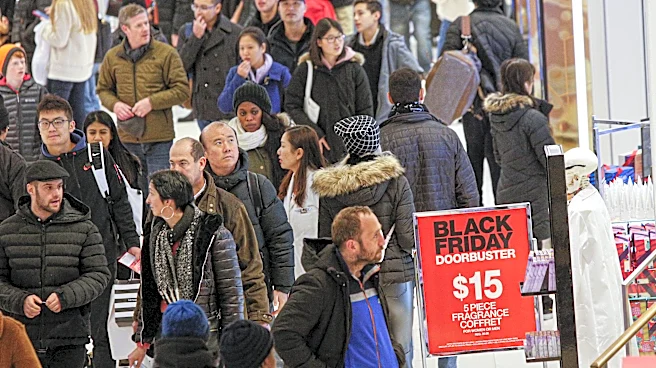
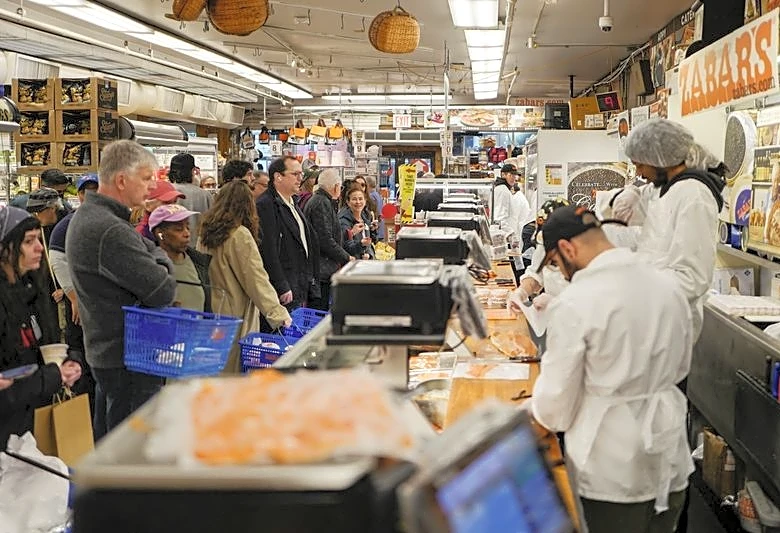
Retailers are preparing for a surge in business over the Thanksgiving weekend, the unofficial start of the holiday shopping period. Stores have heavily advertised deals to lure customers who increasingly buy when they think prices have dropped.
Companies like Kohl’s and Target and Walmart are trying to drive the affordability message home through marketing.
Target said it’s offering more than 8,000 new gifts for the winter holidays, with more than half exclusive to the retailer. Most of the new holiday items at Target are $20 or less, including thousands of items that are priced at $5 and under. Kohl’s has increased the number of gift sets across different types of merchandise.
Americans, despite the rising cost of credit, continue to rely on cards to finance spending, and credit experts say that defaults have been stable.
“More Americans are carrying credit cards than ever, and they’re handling them well,” said Charles Wise, head of global research and consulting at the credit reporting agency TransUnion.
Wise noted that outstanding credit card balances as of last month hit $1.17 trillion, up 5.1% from the year-ago period, based on data covering 178.5 million consumers who held an active credit card as of last month. Yet serious delinquency rates held steady, he said.
That signals that “consumers remain disciplined borrowers heading into the holidays,” he added.