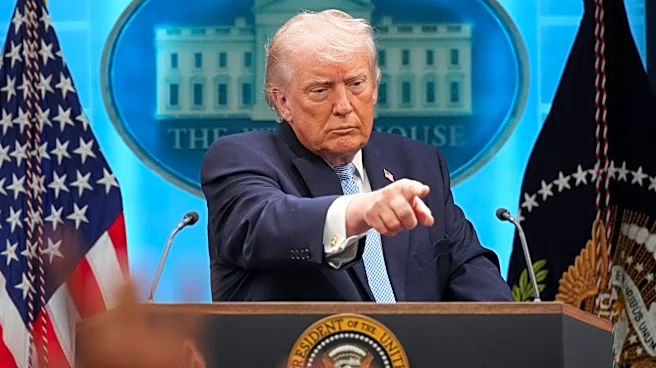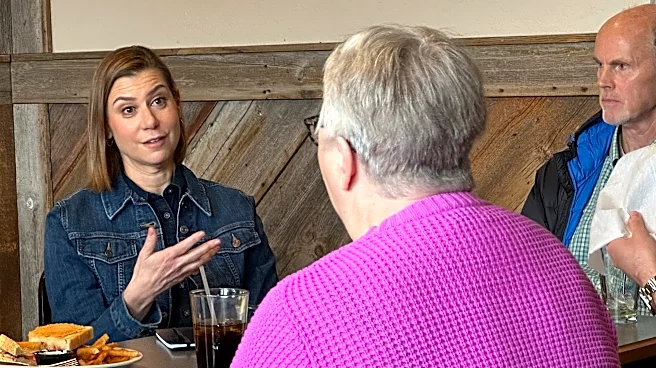






INDIANOLA, Iowa (AP) — Before Michigan U.S. Sen. Elissa Slotkin spent Tuesday afternoon supporting Democratic congressional candidates in Iowa, she was picking the brains of a table of President Donald Trump’s voters.
Slotkin, a potential Democratic 2028 presidential contender, peppered five Iowa voters with questions about divisiveness in U.S. politics and issues affecting their communities. She also wanted to know what the voters would look for if
they could “build a candidate in a test tube" and why they chose Trump over Vice President Kamala Harris in 2024.
“What would have gotten you to actually consider a Democrat?” Slotkin asked as the discussion winded down.
She hadn’t told them yet she was one.
The conversation was one of many Slotkin is having ahead of this fall’s crucial midterm elections. They are a way for the Midwestern Democrat to hear what it might take for the party to win back parts of the country like Iowa, which swung from backing President Barack Obama in 2008 and 2012 to Trump in the last three elections.
“Frankly, sometimes the national party forgets about the middle of the country,” she told reporters, noting she wants to be “a part of a new generation of Democrats" and push the party to be better.
“I think what works in the middle of the country can work on the coasts, but not the other way around. And I think we saw that in the last election.”
Slotkin's Iowa stops also were an opportunity for the former CIA analyst to introduce herself to voters outside her home state, many of whom — like those gathered for Tuesday’s lunch — don’t know who she is or what she stands for.
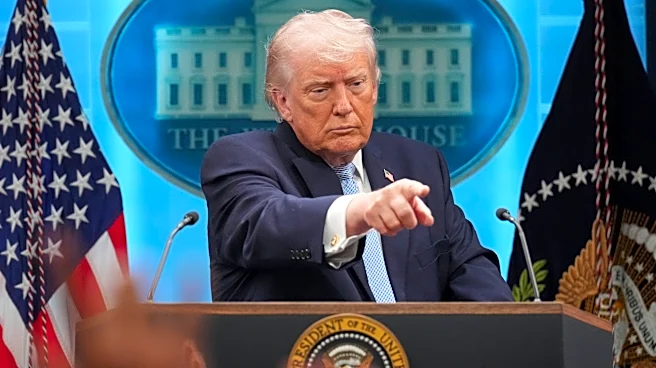
Slotkin was elected to the Senate in 2024 after serving three terms in the U.S. House. She was among six Democrats in Congress with military or national security backgrounds who in a video last year urged U.S. military members to resist “illegal orders.” Trump accused the lawmakers of sedition punishable by death, and the video prompted a Justice Department investigation.
Slotkin said Tuesday that they made the video “for moments exactly like this,” shortly before Trump paused for two weeks his threat to take out Iran’s “whole civilization.”
Later Tuesday, Slotkin’s schedule included headlining a fundraiser and a county party dinner. She also held a health care-focused town hall with Iowa state Sen. Sarah Trone Garriott, a Democrat looking to unseat U.S. Rep. Zach Nunn in one of the most competitive House seats in the country.
She shared some of the same themes to the friendly faces in Des Moines as she did earlier with the Trump voters.
Slotkin lamented that politics is full of taboo topics, so divisive that people don’t want to talk about them with family and friends. She told both crowds that she’s been across the country hearing bipartisan disappointment over the cost and quality of health care.
But she put a finer point on her own views alongside Trone Garriott, saying that the U.S. needs a public health insurance option for people of any age and gave attendees advice on how to convince Republican neighbors that voting for a Democrat is in their best interest. Republican lawmakers don't believe that all Americans deserve access to care, she said.
“That is just the fundamental disagreement that we have between frankly Democrats and Republicans right now," she said.
Visiting Iowa used to hold more obvious significance for Democrats before the party shook up the early presidential nominating calendar last cycle, bumping Iowa from its place as the first state to weigh in on the nominations. The state party in 2024 did away with the traditional, quirky caucuses that have historically been the first contest for both parties.
Now Iowa Democrats are among those pitching their state should go first in 2028; Michigan is also vying for the first Midwest slot. But it's still months before the Democratic National Committee will decide the order.
“I'm not announcing anything,” Slotkin told reporters Tuesday, and even joked about Iowa and Michigan's “cage match" for the early position.
The ambition didn't get past Ed Klavins, a Trump voter who participated in the focus group.
“She’s trying to figure out what she can do differently to have a better chance of getting reelected and maybe higher office,” said Klavins, a retiree from Urbandale, Iowa, who didn’t know Slotkin was the guest for Tuesday’s focus group lunch and said he was paid $200, plus lunch, to be there.
Klavins wants politicians on both sides of the aisle that challenge their party’s status quo. He told Slotkin that he wants a candidate who doesn’t pander to what they think voters want. He voted for Trump and thinks he’s succeeding in putting national security first, like closing the U.S.-Mexico border and eliminating the threat Iran poses to national security.
But Slotkin showing up to listen “makes her a little more genuine in my eyes,” he said. “I like her.”