





KATHMANDU, Nepal (AP) — The foreign aid landscape has changed dramatically since U.S. President Donald Trump’s administration dissolved the United States Agency for International Development, once the world’s largest humanitarian donor.
Here’s a quick look at USAID, the impacts of its dissolution and what foreign aid looks like today:
U.S. President John F. Kennedy and Congress started USAID in the early 1960s. Beyond the belief that the U.S. has a moral
obligation to help the world’s most desperate, supporters of USAID say the agency was a crucial tool of soft power diplomacy. Supporters say USAID directly benefited the country by engendering immense global goodwill toward the U.S., helping prevent the spread of diseases that could threaten American lives and providing stability in foreign countries that could otherwise pose a threat to U.S. security. The U.S. typically spent around 1% of its federal budget on U.S. foreign assistance.
A study published in The Lancet credited USAID programs with preventing 91 million deaths — including 30 million deaths of children under age 5 — in the first two decades of this century alone.
Critics of the agency, including Trump, say it was wasteful and poorly run.
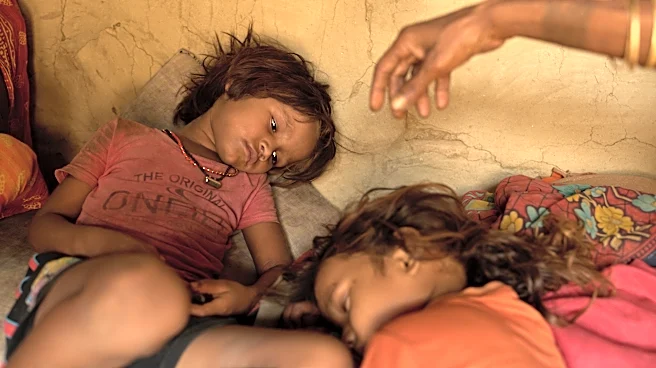
The U.S. foreign aid cuts have been devastating for millions of the world’s most vulnerable people. The Associated Press has documented widespread severe hunger, shortages of lifesaving medicine and spikes in child marriage, kidnapping and trafficking of children — consequences that are all linked to the funding cuts. Experts say the true impact won’t be measurable for years, because the repercussions of issues like malnutrition and untreated diseases take time to manifest. And the full extent of the damage may never be known, in part because the funding cuts eliminated the jobs of scores of front line workers who collected mortality data.
Despite the U.S. government’s repeated insistence that no one has died as a result of its dissolution of USAID, the AP has documented deaths across the world linked to the funding cuts. In Nepal, the AP found that cuts to programs that ensured uneducated, impoverished pregnant women got proper nutrition and prenatal care have led to more babies and pregnant women dying. The AP also found that children in Myanmar, Nigeria and Somalia have died after cuts to food rations and nutrition programs.
Because of global cuts to foreign aid, the Gates Foundation has predicted that 2025 will be the first year this century where child deaths will increase.
In a statement to the AP, the U.S. State Department said the Trump administration had reinvigorated its assistance programs to focus on efficiency, effectiveness and partnership. The department also said the U.S. spends more on health and humanitarian assistance than any other country.
“The rest of the world needs to contribute more and share the burden,” the department said.
The Trump administration’s new foreign aid strategy is more limited and is targeted toward initiatives that government officials say will further the United States’ interests. With health aid, for example, the U.S. is increasingly bypassing NGOs in favor of bilateral agreements with foreign countries. This means the money goes directly to foreign governments in exchange for concessions to the U.S., such as access to a country’s health data, which could be used to help detect outbreaks of infectious diseases. The U.S. says this model is more efficient. But some countries have pushed back, particularly over privacy concerns for their citizens’ medical records.