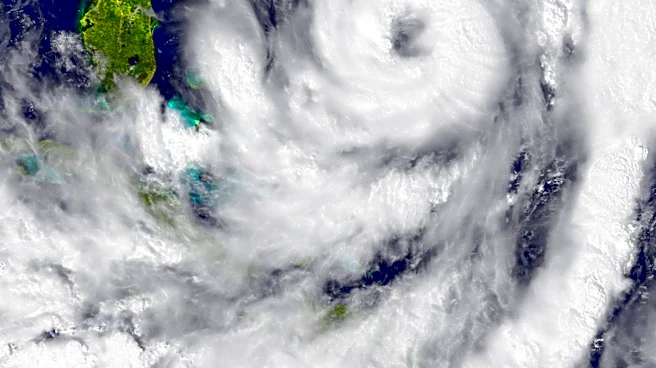









When a nor’easter recently hit the Eastern Seaboard, it transformed my driveway into a stretch of whitewater rapids and nearly obliterated my perennials, their shapes irretrievably distorted by high winds and heavy rain. Unfortunately, it’s not the first time.
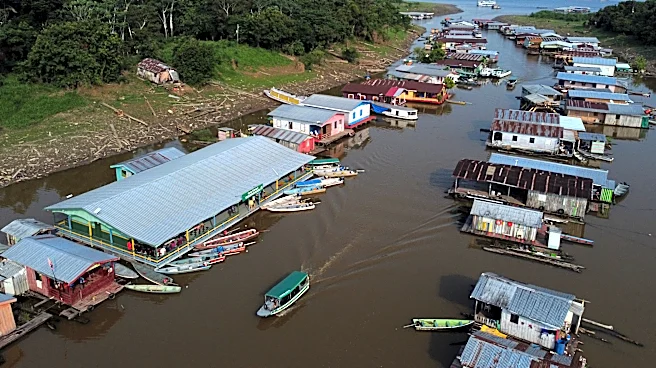
And it won’t be the last: Scientists predict an increase in extreme weather events, including storms and floods, fed in part by human-caused climate change
.I swept, then hosed, the debris off
the blacktop, and used twine to wrangle my mums and catmints back into shape, at least until cold weather does them in. But my experiences and scientists' predictions have got me planning a rain garden.
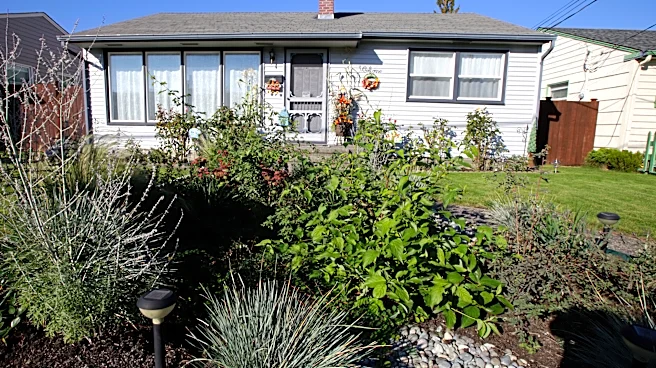
Simply put, a rain garden is a depressed bed planted with native perennials and shrubs selected for their high-water tolerance. It’s strategically situated in a spot where water — from downspouts, driveways, compacted soil and other sources of runoff — flows downward toward it. That runoff waters the plants and filters pollutants as the soil absorbs it. And it means the excess water, as well as the road sediment, debris, pet waste pathogens, fertilizers and chemicals it picks up along the way, is kept out of storm drains, watersheds and wetlands.
Rain gardens can also stop water from entering your basement or affecting your foundation.
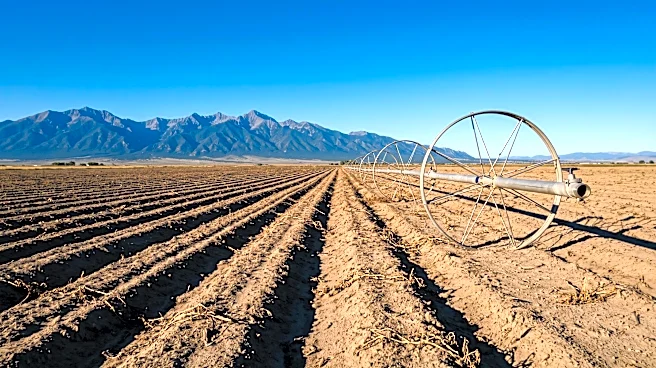
In dry, drought-stricken regions, too, many gardeners are turning to rain gardens and other methods of collecting rainwater.
You can make a rain garden as big or small as you like, but keep it at least 10 feet (3 meters) from your house, garage or other structures. Don’t plant it over a septic tank or underground utilities, or near a well that provides drinking water. And avoid sloped areas and those that are soggy to begin with.
Dig the bed in your preferred size and shape (kidney, crescent, round and teardrop are popular). You can either gradually grade the soil toward the center so it is 6 inches (15 centimeters) lower than the perimeter, or dig everything but the perimeter 6 inches (15 centimeters) deep so a berm that high surrounds the sunken bed.
Direct water toward the bed by installing a gutter extension, creating a downhill slope, digging a trench or connecting a PVC pipe to a distant gutter and running it underground to the rain garden. Slow the flow of water by lining your trench or slope with rocks or small stones.
Some gardeners prefer to keep the center free of plants and cover the soil there with stones, as well.
Choose native plants best suited to high-water or, if planting the center, even swampy conditions. Natives are naturally adapted to your region’s environment, so they’ll be easier to grow, require less maintenance and will also provide a habitat for bees, birds, butterflies and other wildlife.
Consider planting flowering perennials alongside sedges and grasses, and incorporating shrubs and small trees, if space allows. Including some evergreens will further help avoid erosion.
The Ladybird Johnson Wildflower Center’s Plant Finder is a good resource that lets you narrow searches by horticultural zone, sun exposure and other parameters.
Put plants with the highest water needs at and around the center of your rain garden, where water will collect and pool for a bit before seeping into the soil. Plant those with moderate water needs along the elevated perimeter of the bed, which will be somewhat drier.
In the absence of rain, water the plants as necessary throughout their first year, as their roots grow and anchor into the ground. Keep on top of weeds, too, until the plants grow and fill in the bare spots between them.
After you’ve designed, graded and planted your rain garden, there won’t be very much for you to do, except sit back and enjoy your striking natural landscape — and its hidden ecological function.
___
Jessica Damiano writes weekly gardening columns for The Associated Press. She publishes the Weekly Dirt Newsletter. Sign up here for weekly gardening tips and advice.
___
For more AP gardening stories, go to https://apnews.com/hub/gardening.