

Once you’ve decided to buy an electric vehicle, the exciting but tricky part is choosing which one to get. For a growing number of car shoppers, an electric SUV makes the most sense for everyday life. The latest models have enough range to handle everyday driving and the occasional trek out of town without much of an issue. They’re also roomy for your family and have some innovative technology features. But which one to get? That’s where the Tesla
Model Y and Toyota bZ come in.
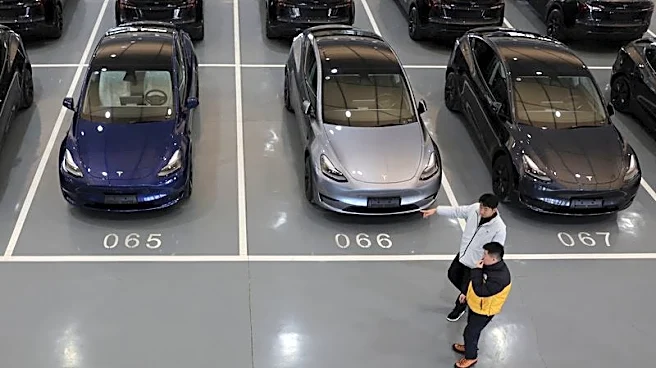
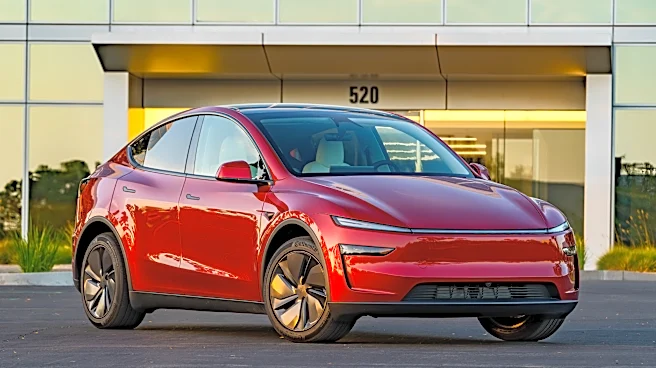
Tesla’s best-selling EV gets a round of updates for 2026 that include revised styling, a smoother ride and a more upscale cabin. But Toyota’s all-electric SUV shouldn’t be counted out. It has been thoroughly overhauled for 2026, and the result is a much more compelling proposition than the outgoing model. Edmunds’ experts put these two electric SUVs head-to-head to find out which one deserves a spot in your driveway.
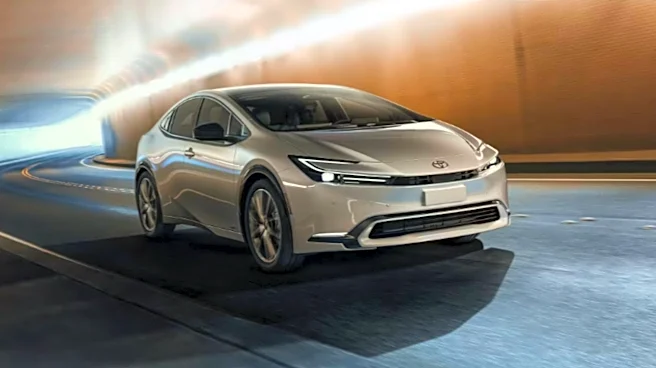
Formerly known as the bZ4X, Toyota’s first all-electric SUV has been so extensively revised that it now carries a new name. Pleasingly, range has improved considerably. The front-wheel-drive version of the 2026 bZ can go up to 314 miles on a single charge, according to EPA estimates. Edmunds has verified that in its own independent testing, with a test bZ covering 331 miles, an impressive result for a small electric SUV.
As with the bZ, different versions of the Model Y have varying range estimates. The longest comes from the Premium Rear-Wheel Drive, which can go an EPA-estimated 357 miles. Edmunds hasn’t range tested that Model Y version, but other tested Model Ys have matched their EPA estimates.
Edmunds also tested the bZ and Model Y for charging speeds at a public fast-charging station. Both SUVs yielded similar results and could potentially add up to about 100 miles of range in 15 minutes. The Model Y is a bit more convenient to charge at Tesla’s nationwide network of Supercharger stations, however.
Winner: Model Y
The Tesla Model Y remains one of the more engaging electric SUVs to drive. It accelerates quickly, has a smooth ride, and feels sporty and stable when going around corners. The cabin is well insulated from road and wind noise, and the front seats offer a wide range of adjustments for comfort during longer drives.
While the outgoing bZ4X felt sluggish, the bZ flips the script with brisk acceleration in both single- and dual-motor configurations. The front-wheel-drive bZ actually outpaced the base Model Y Rear-Wheel Drive in Edmunds’ 0-to-60 mph testing, while an all-wheel-drive bZ trailed just behind the Model Y All-Wheel Drive in the same test. The bZ also has a comfortable ride over bumps, but it doesn’t feel as composed as the Model Y when cornering.
Interior space is significantly better in the Model Y. It has more rear legroom, which allows adults to be more comfortable and provides extra space for installing bulky rear-facing child safety seats. The Model Y also has more cargo space and a few more useful spaces to store small items.
Winner: Model Y
Tesla’s infotainment system remains a highlight, with a clean interface and quick response. Dual wireless chargers add convenience, and Tesla’s advanced driver assistance features help set it apart. The Full Self-Driving (Supervised) feature is particularly notable for allowing for hands-free driving on both highways and city streets. However, the lack of Apple CarPlay and Android Auto smartphone integration may be a sticking point for some buyers.
Toyota counters with a new 14.1-inch touchscreen infotainment system that’s easy to use and supports wireless connectivity Apple CarPlay and Android Auto. Dual wireless phone chargers are up front, and a total of four fast-charging USB-C ports are on board. Standard driver assistance features are comprehensive. The bZ also has a hands-free driving feature, but it only works at low speeds on the highway.
Winner: Model Y
The base Model Y Rear-Wheel Drive starts at $41,630, including destination. However, it’s missing some features you’ll probably want in an EV. The Premium version of the Model Y is what you want because of its added power, slightly greater range and a more upscale interior. A Model Y Premium All-Wheel Drive costs $51,630.
The Toyota bZ starts at $36,495 and comes well equipped for the price, especially when you consider the improved performance and range now on offer. The top-line bZ Limited adds even more features and is comparable to the Model Y Premium. It costs $46,895 in its available all-wheel-drive configuration.
Winner: bZ
The Toyota bZ’s improvements make it a far more appealing electric SUV than before, and its low starting price strengthens its appeal for value-focused buyers. That said, the Tesla Model Y continues to set the benchmark in this segment with its superior technology, performance and overall refinement. While Toyota has made meaningful progress, the Model Y remains the better choice.
_____
This story was provided to The Associated Press by the automotive website Edmunds. Bradley Iger is a contributor at Edmunds.