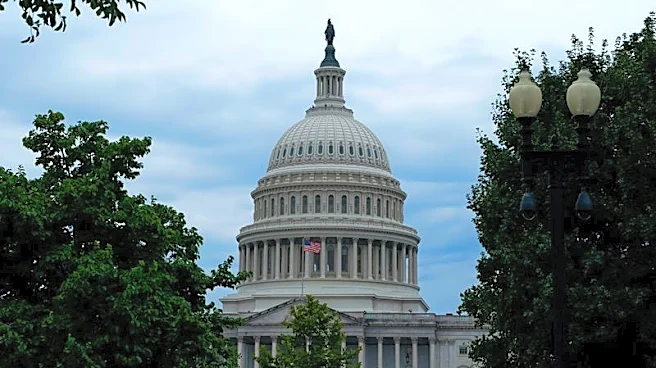

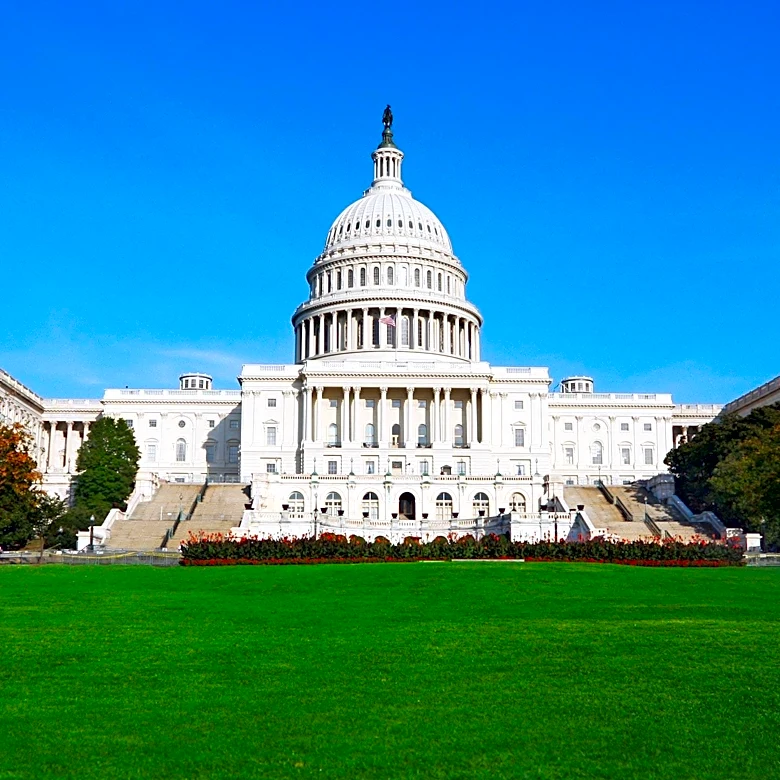



WASHINGTON (AP) — Key senators unveiled a short-term spending bill on Sunday that would keep federal agencies funded past the midterm elections and into early December as they look to avoid a government shutdown during the middle of campaign season.
The Senate is likely to vote on the measure before leaving Washington at week's end for its traditional August recess, a period that many lawmakers want to spend shoring up their reelection prospects rather
than working in the nation's capital.
The bill generally funds the federal government at current levels though Dec. 11. The House has passed a similar measure, but it did not include various exceptions sought by the White House. Senators have been spending recent days negotiating which of those exceptions to include.
One exception that did not make the cut, Democrats noted, was the administration's request to include $1 billion to build “Trump-class” battleships.
The late-summer action on a funding fix is unusual. Normally, Congress waits until the final days or hours of a funding deadline to pass short-term funding extensions, but this time senators are acting two months before the end of the fiscal year on Sept. 30.
Senate Majority Leader John Thune said passing the measure was his top priority going into the August recess. He noted that the American people have already experienced two record-breaking government shutdowns in the past 10 months.
“We need to ensure that they do not face a third,” Thune said.
A short-term funding extension is needed because Congress has struggled to get the dozen annual appropriations bills negotiated and approved before the Sept. 30 deadline. By extending government funding now, lawmakers can use the ensuing months to work out their differences on full-year funding.
It won't be an easy lift as Republicans seek a dramatic increase in defense spending while cutting non-defense spending. Trump proposed a 10% cut in non-defense programs overall. Meanwhile, he called for boosting defense spending by some 44%.
A potential shutdown before voters go to the polls is a scenario that both parties are looking to avoid, as polling indicated that neither party evaded blame for last fall's record 43-day shutdown. Democrats sought to extend an expiring health insurance tax credit and refused to go along with a short-term spending bill that did not include that priority. But Republicans said that was a separate policy fight to be held at another time.
A second spending battle over funding for the Department of Homeland Security took 76 days to resolve when Democrats refused to fund U.S. Immigration and Customs Enforcement and the Border Patrol without changes to those operations.
Sen. Susan Collins, the Republican chair of the Senate Appropriations Committee, along with Democratic senators, are seeking to delay a proposed rule from President Donald Trump's administration related to grants. The rule would require a senior political appointee at each agency to review grant proposals through criteria that include “ensuring that discretionary awards advance the President's policy priorities.”
Collins and Sen Patty Murray, the top Democrat on the Appropriations Committee, said the rule would not take effect during the course of the stopgap spending bill. Collins said she advocated for significant changes to the rule, “citing its potential to politicize grants and harm small, rural communities, families, and biomedical research.”
“While Republicans rejected killing the proposed rule outright, I’m going to keep fighting to put a stop to it once and for all, and I will keep pressing my Republican colleagues to do exactly that,” Murray said.
Democrats fear Trump would turn the grants into a cudgel to punish perceived political foes and reward allies, while also undermining Congress's constitutional power of the purse. The White House Office of Management and Budget says its effort is about improving accountability to ensure taxpayer dollars aren't wasted or misused.