




TOKYO (AP) — Asian shares were trading mixed in early Thursday trading, as investors tried to digest the recent swings in oil prices and the U.S. bond market.
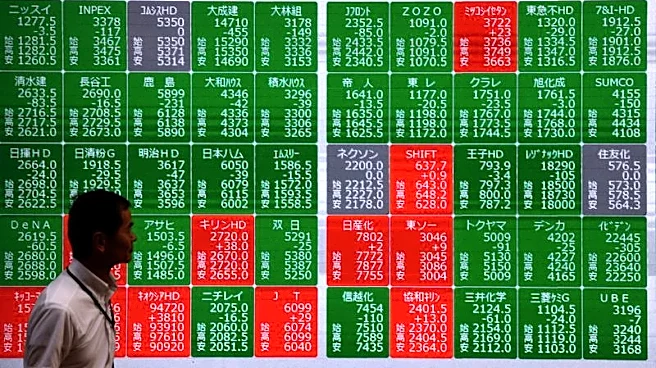
Japan's benchmark Nikkei 225 gained 1.3% in morning trading to 65,883.41, as some chipmakers got a boost from the recent interest in artificial intelligence. Australia's S&P/ASX 200 fell 0.7% to 8,700.50.
Hong Kong's Hang Seng lost 0.5% to 24,715.95, while the Shanghai Composite dipped 0.8% to 3,902.33.
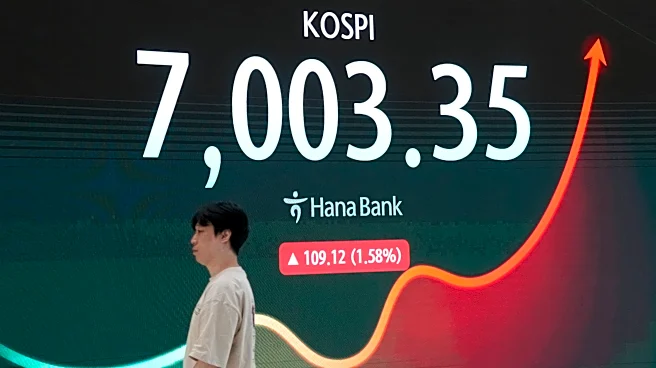
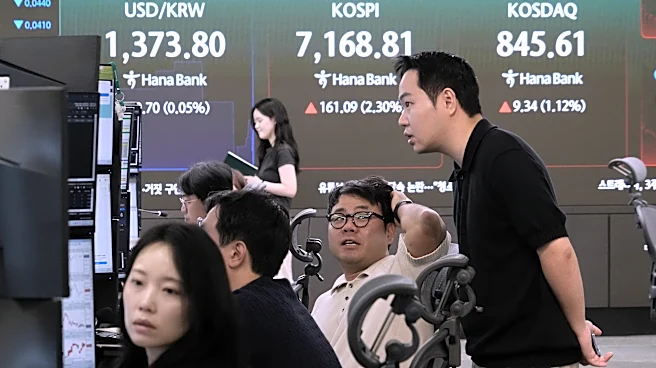
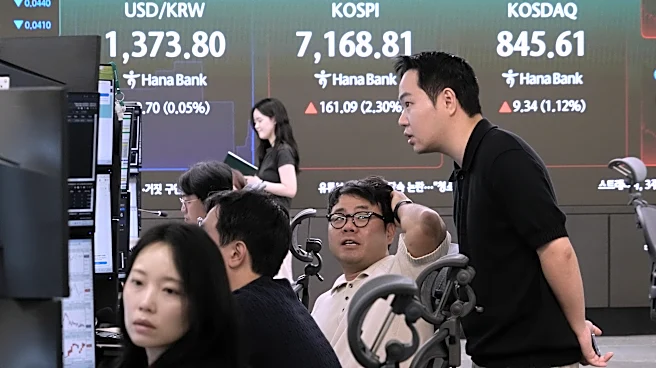
Trading was closed in South Korea for the Chuseok autumn harvest holiday.
In energy trading, benchmark U.S. crude fell 0.82% to $91.40 a barrel. Brent crude, the international standard, lost 0.83% to $102.22 a barrel.
The price for a barrel of Brent remains much higher than the roughly $72 it cost before the war with Iran began and worries are running high that the war with Iran will keep oil bottled up in the Middle East for a long time. Talks are continuing with mediators between U.S. and Iranian officials, but nothing concrete has come from it yet.
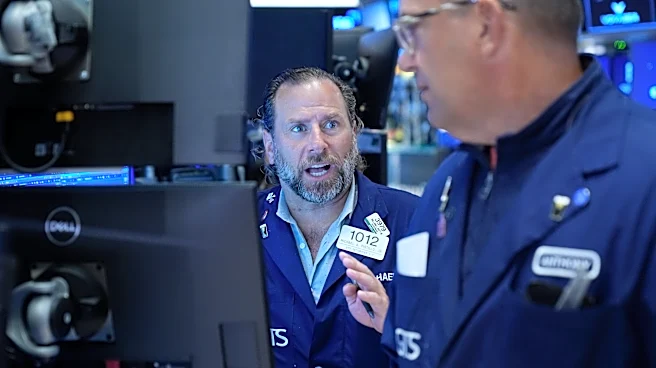
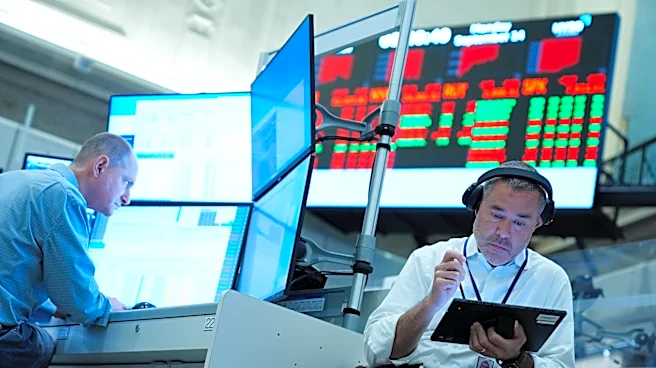
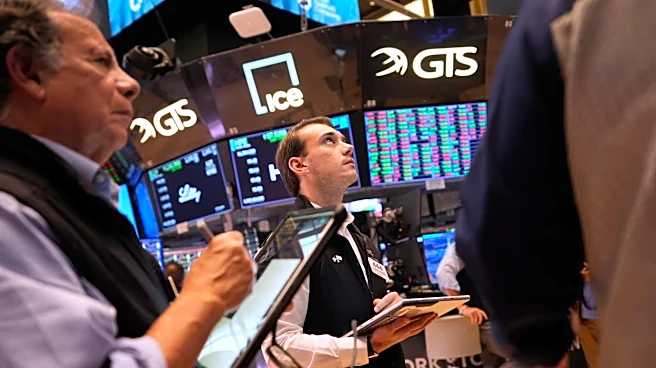
Overnight, Wall Street got hit by pressure from the U.S. bond market after a surprisingly strong report on the economy raised worries about inflation.
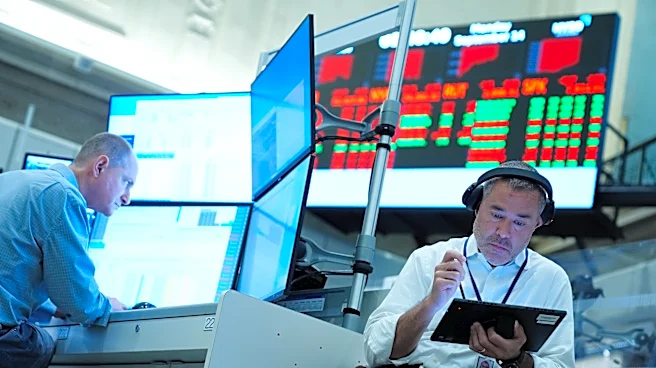
The S&P 500 fell 0.8% after finishing the prior day just 0.4% below its record set last month. The Dow Jones Industrial Average dropped 352 points, or 0.7%, while the Nasdaq composite sank 1.1% from its own all-time high.
The yield on the 10-year Treasury jumped to 5.10% from 4.96%, a considerable move for the bond market. High yields undercut prices for stocks and other investments, while also slowing the economy by making it more expensive for everyone to borrow money.
Wednesday’s jump briefly sent the 10-year yield near 5.14%, back to where it was in 2007 before the global financial crisis caused yields to crater. Yields have accelerated recently because of worries about high inflation, the U.S. government’s heavy debt and other concerns.
Worries about inflation got a jolt after a preliminary report suggested growth in U.S. business activity surged to its strongest level in more than five years.
U.S. inflation has remained so stubbornly high that the Federal Reserve raised its short-term interest rate last week for the first time in three years. Fed Gov. Michael Barr said in a speech this week that further hikes “are likely to be needed” to get inflation to the Fed’s 2% target.
Although the Bank of Japan recently raised its benchmark interest rate to stem the slide in the Japanese yen, the move was largely figured in for weeks. And so the yen hasn't really bounced back. A weak yen works as a negative for oil-importing Japan when oil prices are soaring.
In currency trading, the U.S. dollar edged down to 157.94 Japanese yen from 158.30 yen. The euro cost $1.1382, little changed from $1.1388.
All told, the S&P 500 fell 58.61 points to 7,706.03. The Dow dropped 352.10 to 51,511.59, and the Nasdaq composite sank 308.24 to 26,936.04.
___
AP Business Writer Stan Choe contributed to this report.
___
Yuri Kageyama is on Threads: https://www.threads.com/@yurikageyama