


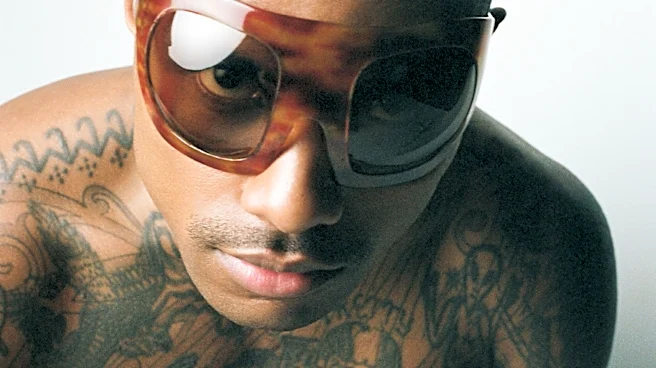
When Tupac Shakur was fatally shot at age 25 on Sept. 7, 1996, the presidential race between incumbent Bill Clinton and Bob Dole was in its stretch run. The Atlanta Olympics had just ended. The internet was in its infancy.
In a booming music business, CDs were king, like Shakur's monumental “All Eyez on Me," which topped the Billboard album chart a few months earlier. It was the pinnacle of a brief hip-hop career whose legend would only grow in the following
decades. His shooting was one of several momentous mid-1990s musical deaths, including those of Kurt Cobain and Shakur's archrival the Notorious B.I.G.
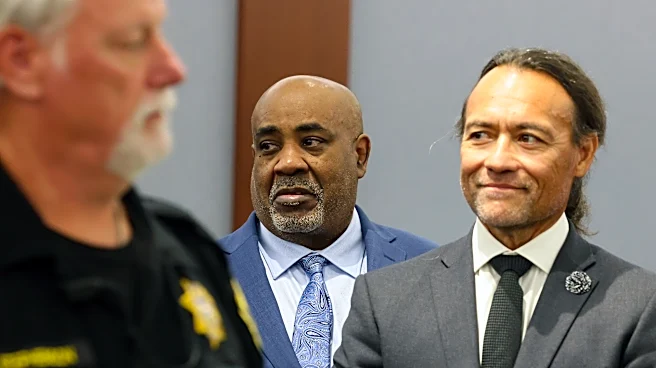
Starting Monday in Las Vegas, that September night will come under intense scrutiny again as 63-year-old Duane “Keffe D” Davis is tried in his killing. It is a moment that many fans and followers of the formerly cold case thought might never come.
Prosecutors allege Davis orchestrated Shakur’s shooting. They have charged him with one count of murder with a deadly weapon with the intent to promote, further or assist a criminal gang.
Davis has pleaded not guilty. His defense attorneys argue there is no evidence he directed the shooting and the state is relying on witnesses who weren't there.
Here's a look at key elements of the trial that is expected to last about a month.
Shakur and Death Row Records co-founder Marion “Suge” Knight were in Las Vegas to watch Mike Tyson knock out Bruce Seldon at the MGM Grand Garden Arena. Just outside the fight, Shakur, Knight and their entourage got into a brawl with a group that included Davis' nephew, Orlando “Baby Lane” Anderson.
Authorities, authors and Davis himself say the shooting was an act of retaliation. Davis' 2019 memoir “Compton Street Legend,” said the men had “crossed the line” when they beat up Anderson.
“We couldn’t let no record company studio gangsters do us like that,” says the book, which along with Davis interviews revived the cold case and led to Davis being charged. The co-authored memoir will be essential to the trial. Davis’ defense fought unsuccessfully to get it excluded.
Later in the night, Shakur and Knight were heading to a nightclub where Shakur was scheduled to perform. At a red light near the Las Vegas Strip, a white Cadillac pulled up beside them, and gunfire erupted. Shakur was shot multiple times and died six days later. Knight survived with minor injuries.
The long, lingering question of who shot Tupac may stay unanswered. But prosecutors hope to prove that Davis was the shot caller and provided the weapon.
He was one of four men in the Cadillac, authorities said. The other three have all died in the years since. Authorities say neither the car nor the gun used in the shooting were recovered.
Grand jury testimony portrayed the shooting as a culmination of a longstanding feud between rival record labels — Death Row Records and Bad Boy Records — and rival gang sects Mob Piru and South Side Compton Crips.
The jury will consist of six men and 10 women who were seated Thursday. Four are alternates.
Attorney Michael Sanft will lead Davis' defense. He has said he took the case on a pro-bono basis. His previous high-profile clients include Michele Fiore, a Nevada politician convicted of wire fraud but pardoned by President Donald Trump before she was sentenced, and Andrew Cote, a former Las Vegas pastor found guilty of shooting and killing his 71-year-old neighbor and her 54-year-old boyfriend.
Chief Deputy District Attorney Marc DiGiacomo will head the prosecution. He previously faced off with Sanft as the prosecutor in the Cote case.
Judge Carli Kierny was a public defender for 10 years in Clark County, Nevada, where she was elected as a judge in 2020. She is on the ballot again later this year.
Prosecutors expect to call between 35 and 45 people to the stand. Along with police and technical witnesses, they are expected to include people who saw Shakur moments before he was shot and those who were associates of both Shakur and Davis at the time.
Knight, the West Coast hip-hop mogul who was once one of the most important and most feared men in music, is the only surviving eyewitness other than the defendant. He is on the witness list and may be summoned. He has said he wants no part in the trial. He is serving a 28-year prison sentence in California for running over and killing a Compton businessman in 2015.
Davis wrote in his book that moments before the shooting, he and Knight “looked each other dead in the eye” like “two rams locking horns.”
Sean “Diddy” Combs, Knight’s East Coast counterpart and fierce foe, will not be testifying.
The defense intends to call only a handful of witnesses. They have not said whether Davis will testify.
Law enforcement authorities long suspected that the gunman was Anderson, Davis' 12-years-younger nephew who was 22 at the time. He was sitting in the backseat of the Cadillac, behind his uncle. Anderson, who denied involvement in Shakur’s killing, died two years later in what police said was an unrelated shooting at a Compton car wash.
Deandrae “Freaky” Smith was in the backseat sitting next to Anderson. Denvonta Lee, a former associate of Smith who talked to him about the shooting soon after it happened, told a grand jury it was Smith who fired the shots but let Anderson take credit for Shakur's death. Smith died in 2004 at age 30 from what authorities said were natural causes.
Terry “Bubble Up” Brown was the driver of the Cadillac. He died in a 2015 shooting at a medical marijuana dispensary in Compton.