





ZAWTAR AL-GHARBIEH, Lebanon (AP) — Residents are returning to a largely destroyed village in southern Lebanon after a U.S.-brokered agreement opened the area to civilians as part of efforts to end the latest fighting between Israel and the Iranian-backed Hezbollah.
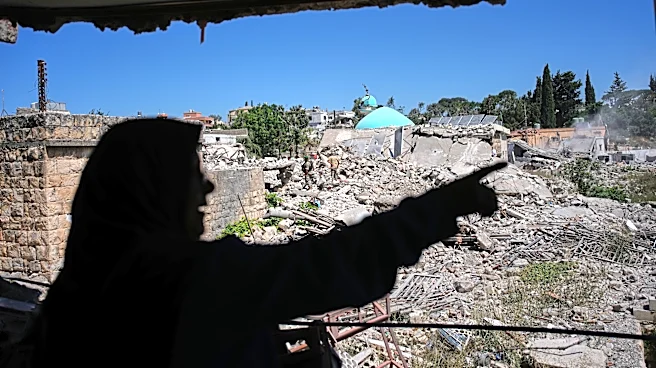
They are finding shattered or blackened homes, with damage as intimate as a bullet-pocked mirror or graffiti thought to be scrawled by Israeli forces. The turquoise roof of a mosque's minaret
has been cracked.
Mahasen Faqih and her husband, Mohammed Sobeih, are among the few who have returned to Zawtar al-Gharbieh, which was damaged during the fighting between Israel and Hezbollah, the militant group based in southern Lebanon. Their home is uninhabitable, with collapsed ceilings and shattered rooms, but the couple said they will live in their grocery store until it is rebuilt.
The U.S.-brokered “pilot zones” agreed to in landmark direct talks between Lebanon and Israel allows civilians and the Lebanese army to enter the area. But Israeli military vehicles remained visible nearby, with a tank churning up dust, and Israeli drones flew overhead, underscoring the fragile situation.
Uncertainty remains along Lebanon’s southern border after the fighting that began shortly after the U.S. and Israel attacked Iran in February, as Hezbollah fired at Israel and Israel responded with airstrikes and ground forces.
___
This is a photo gallery curated by AP photo editors.