




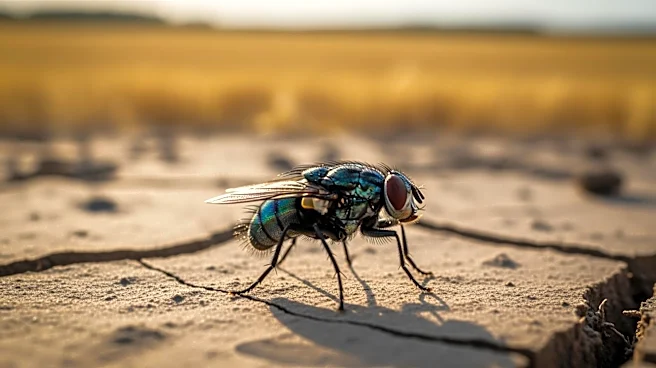
Two more cases of the New World screwworm have been confirmed hundreds of miles apart in Texas, demonstrating the difficulty of stopping the spread of a pest that could potentially devastate the nation's cattle industry, the U.S. Department of Agriculture announced Monday.
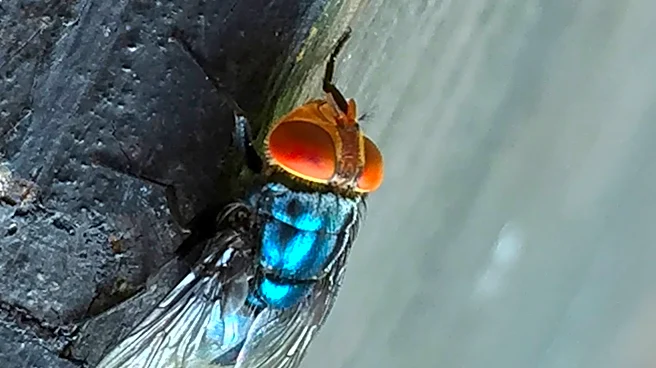
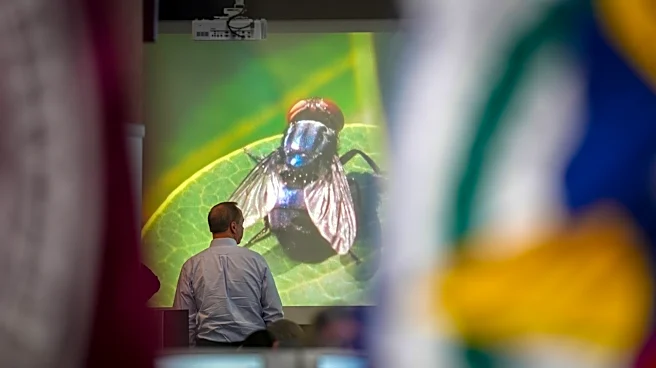
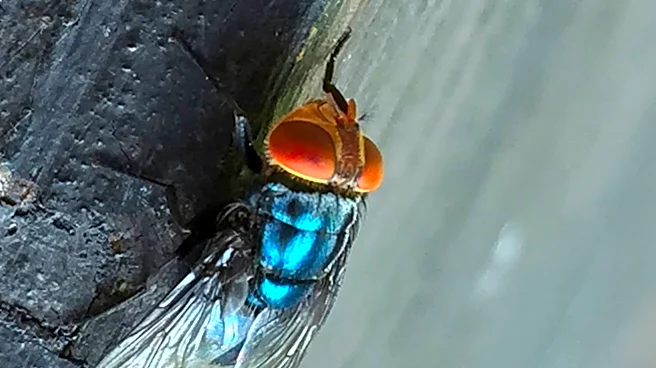
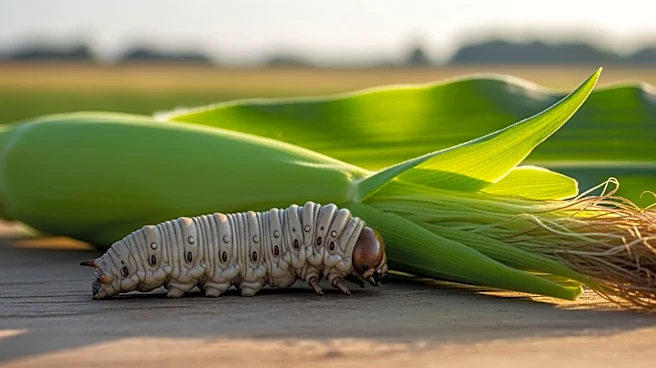
The screwworm is actually a fly larva that eats living flesh instead of dead material. Females lay their eggs in open wounds of warm-blooded animals like cattle, but wildlife, pets
and occasionally even humans can be infested. A government program to breed sterile male flies and drop swarms of them from planes to mate with wild females had kept screwworm contained at the southern end of Panama for decades.
So far, there are four confirmed cases in Texas. The USDA said the latest were a calf and a dog in La Salle and Andrews counties, respectively. The initial screwworm cases were discovered last week in two calves within a few miles of each other in south Texas.
Scientists expect a handful of new cases could pop up in the coming days and weeks, but it doesn't mean screwworm is spreading rapidly, said Edward Burgess, a University of Florida entomologist who studies the fly.
“When that first case is seen, everyone is being vigilant and their eyes are on it more intensely,” Burgess said. “And when you are looking for something, you are more likely to see it.”
An agriculture department statement on Monday said officials are sampling suspected cases and working to eradicate the pest entirely.
The USDA and the U.S. cattle industry have been racing to prevent an infestation since screwworm was detected in Mexico late in 2024. Screwworm was a yearly warm-weather scourge of cattle ranchers before being eliminated in the U.S. in the 1960s.
So far, its reappearance hasn’t greatly affected beef prices, which are already near record levels because there are fewer cows in the U.S. Although the parasite attacks live cattle, it does not infest meat or fruit. There are also now a dozen government-approved medications to treat livestock.
Canada temporarily stopped importing cattle, horses or other livestock from Texas on Friday. The parasites prefer humid areas where temperatures are at least 77 F (25 C), making them more of a summer problem up north.
Burgess said the long-term solution — breeding sterile male flies — is months away. Since wild female flies mate just once, if that encounter is with a sterile male, outbreaks can eventually be halted as the flies die out.
The USDA is working to both increase sterile fly production in plants outside the U.S. and build a massive fly factory in Texas.
However, Texas Agriculture Commissioner Sid Miller said the federal response will take too long and risks crippling the cattle industry.
Instead, he says a poison bait could eliminate the screwworm problem in a few months, even if it might affect other flies too.
“What the hell is a good fly?” Miller said in an interview Monday.
The USDA and other experts say the bait hasn't been proven to work and could poison other insects, animals and even humans.
Miller also criticized the USDA for not closing the U.S.-Mexico border to pets as well as livestock. Federal officials say the infected dog had recently been in Mexico.
“If the larvae fell out all along the ground where that dog went, it’s going to spread screwworm all over Andrews County,” Miller said.
USDA Secretary Brooke Rollins will be briefed on the infestation Monday afternoon at the U.S. Livestock Insects Research Laboratory in Kerrville, Texas.
___
This story has been updated to correct the spelling of Kerrville.
___
Associated Press writer Scott McFetridge in Des Moines, Iowa, contributed to this report.