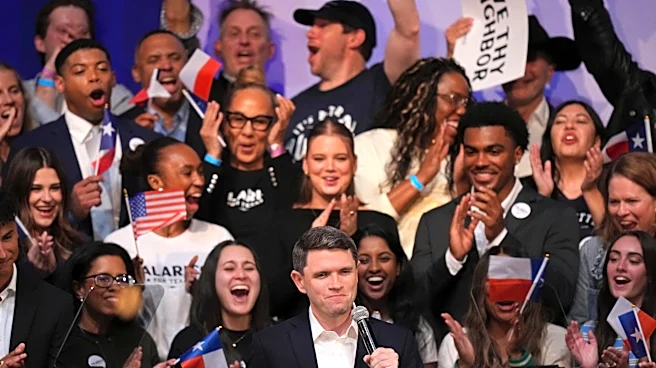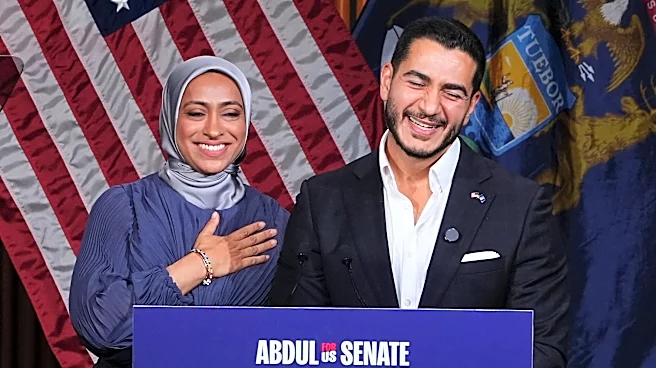

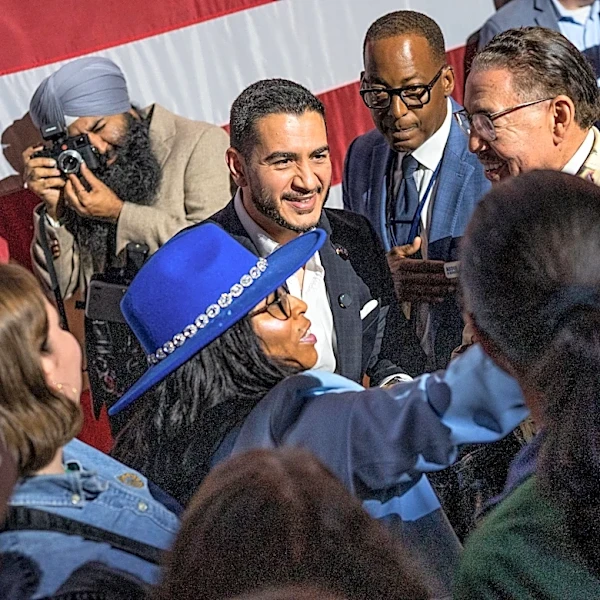



WASHINGTON (AP) — Sen.-elect Abdul El-Sayed told The Associated Press on Wednesday that Michigan voters had rejected “a hateful, spiteful campaign” after months of Republican attacks on his Muslim identity in one of the nation’s most closely watched Senate races.
El-Sayed said he was “running on adrenaline and caffeine” after his race with Republican Mike Rogers was called early Wednesday, giving Democrats another significant victory in a premier swing
state as they won a substantial majority in the Senate in Tuesday’s midterms.
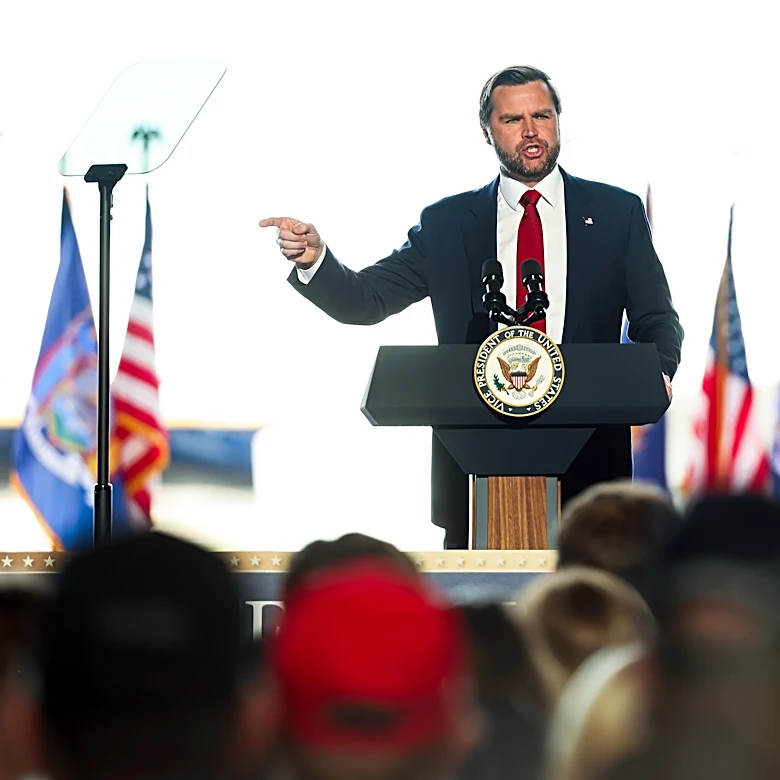
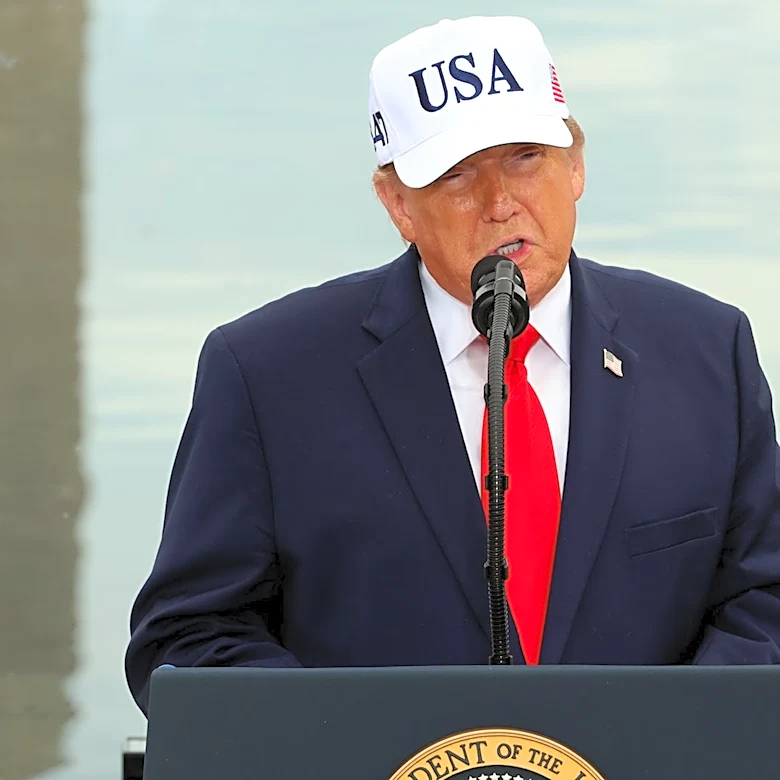
Throughout the cycle, Republicans sought to demonize El-Sayed, who was born in the U.S. after his parents immigrated from Egypt. President Donald Trump repeatedly called him a “jihadist” who was “on the side of the terrorists.”
“Michigan proved just how big we are. Rejected a hateful, spiteful campaign that had nothing to say about the issues and only wanted to point to my name and my face,” El-Sayed said. “Michiganders rejected that. Every single county, every single one, pushed against that.”
In a sign of how combative the race had become, Rogers and El-Sayed had not spoken as of Wednesday afternoon, even after Rogers issued a statement conceding the race. In 2024, Rogers called then-Rep. Elissa Slotkin to concede on Wednesday morning, before the AP had even called the race.
El-Sayed, who will become the nation’s first Muslim senator, told the AP by phone that the morning was “a moment of reflection,” including about what his victory would mean to his two young daughters. His 3-year-old, he said, has no idea what happened, while his 8-year-old understands but sees it as normal.
“Now, this is something they read about in the history books,” he said.
With approximately 97% of the vote in, El-Sayed held a 7 percentage point lead over Rogers. Every county in the state shifted toward Democrats compared with 2024, according to AP voting data.
The AP Voter Poll, an expansive survey of more than 4,500 voters in Michigan, showed that Michigan Senate voters were roughly split on whether El-Sayed’s views were “too extreme,” with about half saying they were.
El-Sayed rose from a double-digit defeat eight years ago in the state's Democratic gubernatorial election to an upset victory of an establishment-backed candidate in the primary after being outspent by tens of millions. He said his campaign proved that “old-fashioned politics can work if you’re willing to do the work.”
El-Sayed quickly pivoted, though, toward the future, saying his victory is “not the success” and that “the success is what you're able to do with the seat.”
He would not commit to supporting Senate Democratic Leader Chuck Schumer for another term, saying he did not yet know who else might run. Schumer is expected to retain the leadership position.
“I do believe we need new leadership and I think people are hungry for it,” El-Sayed added.
___
Associated Press reporter Linley Sanders contributed.