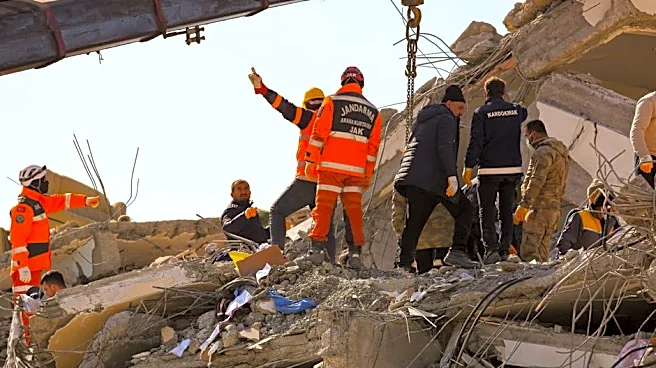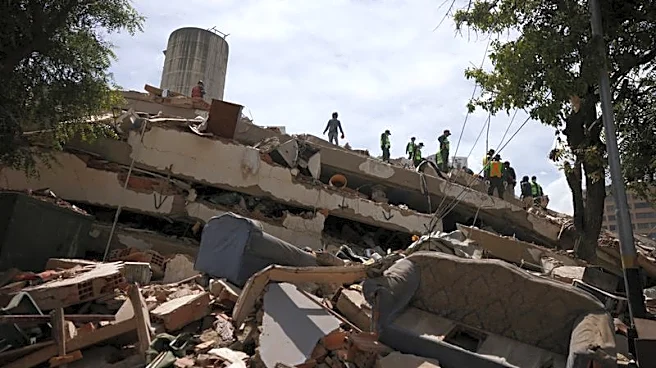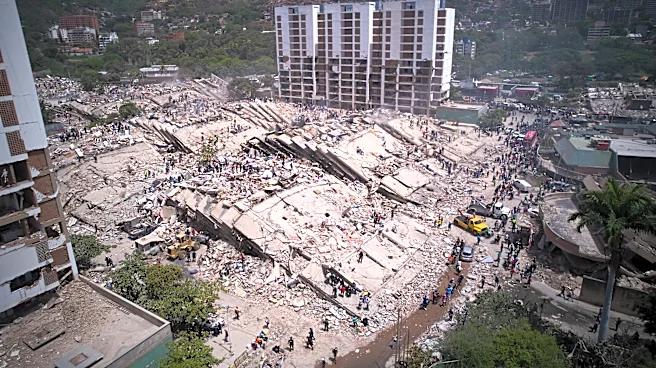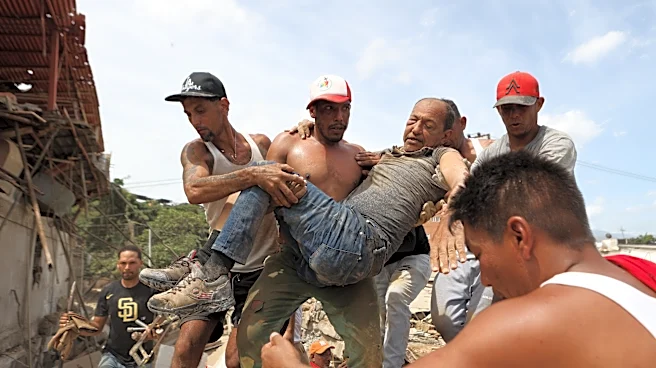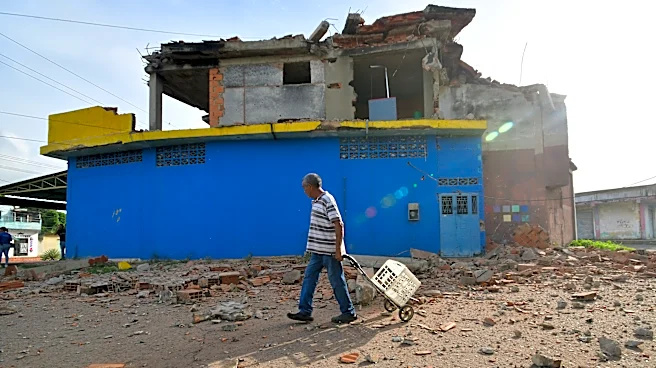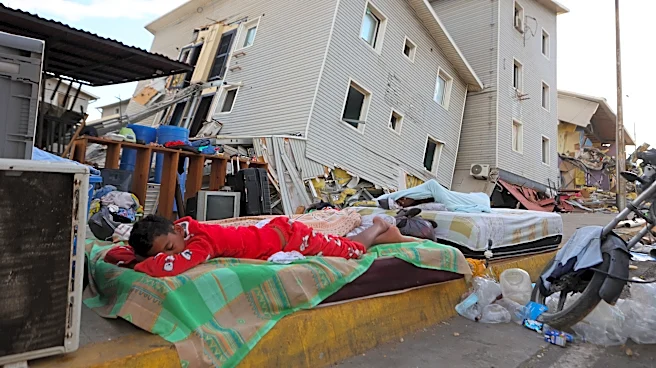





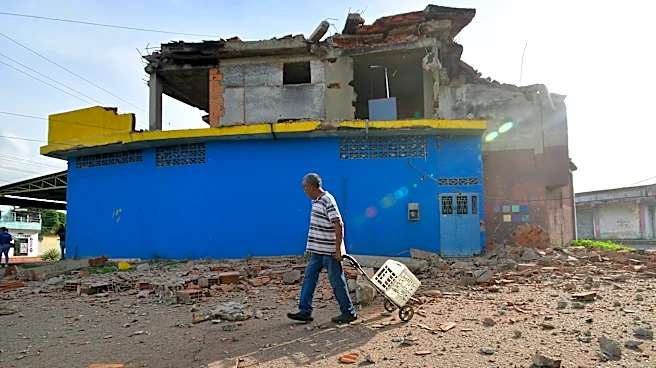
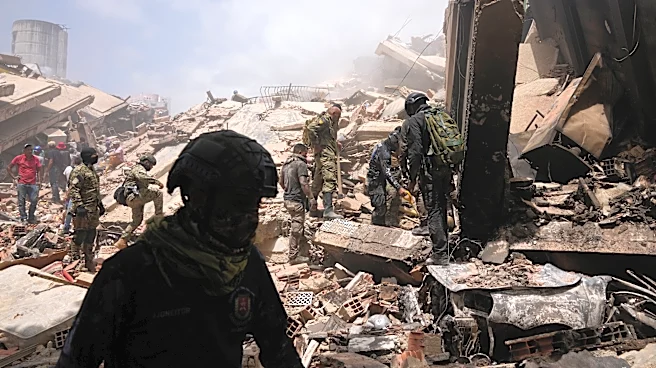


LA GUAIRA, Venezuela (AP) — With the window for finding survivors shrinking fast, Venezuelans combed Monday through more ruins of buildings toppled by last week’s devastating back-to-back earthquakes, and a 4.6 magnitude aftershock rumbled through the disaster zone in the northern state of La Guaira.
Five days have passed since the twin earthquakes struck northern Venezuela, killing more than 1,450 people, according to the government. Relief organizations
say the first 72 hours after a natural disaster is the most crucial time period for rescues, though survival can be extended if people have access to food and water.
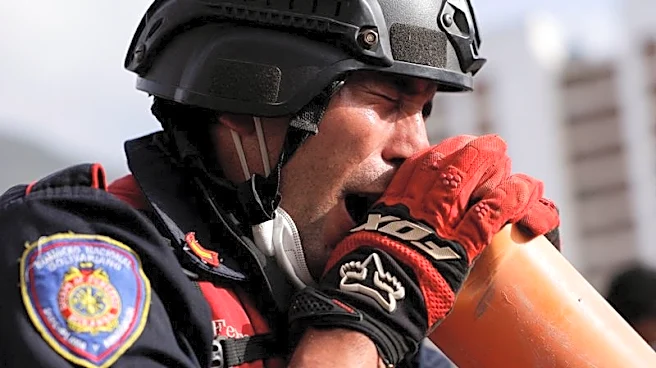
Families kept vigil at search sites in hard-hit La Guaira, where local and international rescue teams battled exhaustion and the grim knowledge that the chances of finding life were rapidly diminishing.
Ana Rada watched intently as civil defense workers searched the rubble of a collapsed apartment for her missing brother.
“We have to stay strong, even without food, without sleep,” she said, wiping her eyes. "Until I see the body, I still have hope.”
The aftershock, which struck about 27 kilometers (17 miles) north of Caraballeda on Venezuela’s Caribbean coast, measured 4.6 on the Richter scale, according to the United States Geological Survey. Colombia’s geological survey put the magnitude at 5.1.
Jorge Rodríguez, the leader of the Venezuelan National Assembly, said there were no immediate reports of additional damage, but the aftershock sent residents in the capital of Caracas screaming into the streets.
“Here we are again, back in the street. I don’t know when we’ll have a moment of true peace,” said Concepción Hernández, 51, who evacuated her apartment building in the Chacao municipality of Caracas.
One of the rescuers working Monday in La Guaira was miner Jean Sosa, who said he was deported from the United States in January over a missed immigration court hearing and arrived in Caracas last month, dazed by an odyssey that he said began in shackles at an Arizona immigration detention center. The journey involved traveling by bus through five countries after immigration agents left him in southern Mexico without his passport, phone or wallet.
Sosa, 31, was checking on some family friends in La Guaira when the earthquakes hit Wednesday. For days, he raced to pull people from the rubble in the absence of national rescue teams.
“I’m not involved in politics, but I believe many people could have been saved if there had been equipment and support from top authorities from the very beginning,” he told The Associated Press, wearing a helmet and a black T-shirt splotched with dust in the port city where he said he had already rescued 20 people alive. Those rescues heartened him, he said, and gave him hope for more despite a dire lack of supplies.
“We're working without gloves, without equipment, borrowing supplies, improvising bandages and whatever else we can,” he said. “But we’re still here, still fighting.”
Jorge Rodríguez, who is the brother of acting President Delcy Rodríguez, said that as of Monday, a total of 12,721 people had been affected, while the number of damaged or collapsed buildings had reached 774.
The United Nations, however, has said that up to 6.8 million of Venezuela’s nearly 30 million residents may be affected by the earthquakes, which could mean being displaced or losing access to essential services such as electricity and water.
Because of the chaos and poor cellphone service, many Venezuelans have turned to non-governmental digital databases to report their loved ones as missing. More than 50,000 people were reported missing on one such database, though it is unclear how many have been found.
Rodríguez, faced with growing anger over a response criticized as slow and inadequate, sought to reassure the population that rescue efforts were far from finished, even though the 72-hour mark had passed.
She shared footage on social media Monday of first responders lifting Aaron Levi Cantillo, 21, out of the ruins on a stretcher to applause after what she said was a grueling 43-hour operation.
___
DeBre reported from Buenos Aires, Argentina. Associated Press writers Jorge Rueda and Regina Garcia Cano in Caracas, Venezuela, contributed to this report.