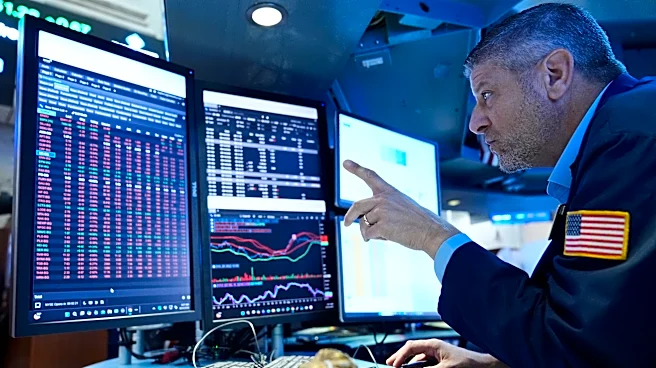




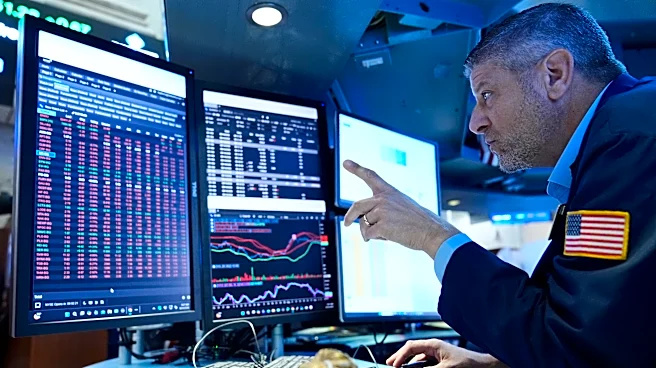
U.S. futures ticked higher early Tuesday as oil prices retreated modestly and U.S. Treasury yields paused their run-up after reaching the highest level in roughly two decades.
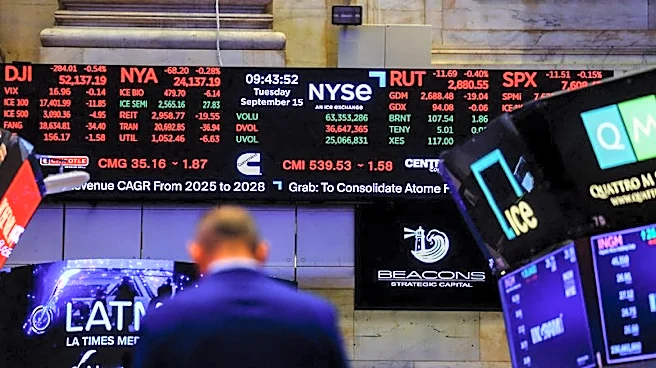
Futures for the S&P 500 and the Dow Jones Industrial Average each rose 0.2% before the bell. Nasdaq futures gained 0.4%.
Oil prices remain elevated as mediators continued to work with the United States and Iran on reaching a deal to end the fighting and open the Strait of Hormuz.
U.S. President Donald Trump over the weekend rejected an offer from Tehran to reopen the key waterway.
The price for a barrel of U.S. crude fell $1.43, or about 1.5%, to $91.17. That's down more than 12% from just a couple of weeks ago, but far higher than the $67 it was before the U.S. and Israel attacked Iran in late February. The cost is even higher when compared with the price for oil at this point last year.
The price for a barrel of Brent crude, the international standard, fell $1.31 to $96.52. It also remains well above its level of roughly $72 a barrel before the war with Iran.
Shares of CarMax jumped nearly 6% in premarket after the used car dealership chain reported soaring second-quarter revenue and delivered profits that easily beat Wall Street expectations. The company also announced changes and appointments to its executive leadership.
Oura, the maker of wearable digital health accessories and jewelry, said Tuesday that it was postponing its initial public offering, despite strong demand, due to uncertainty in the IPO market.
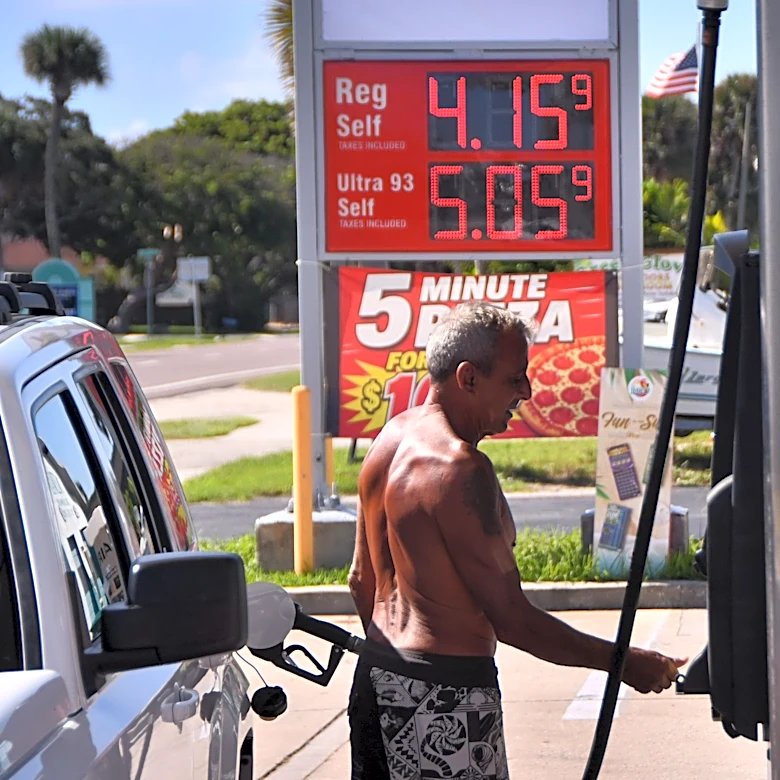
This week brings a bevy of government economic data, including job openings, consumer spending, inflation and the September jobs report. Later Tuesday, the Conference Board releases the results of its consumer confidence survey for September. American consumers have broadly soured on the state of the U.S. economy this year, in part because a much bigger portion of their income is going toward gas and energy bills that have jumped since the start of fighting in Iran.
Stocks have been pressured lately by rising U.S. Treasury yields as investors demand higher returns amid growing concerns about inflation and rising government debt.
The yield on the 10-year U.S. Treasury, near its highest since 2007, was at about 5.21% early Tuesday. It reached 5.27% on Monday, up from about 5.17% on Friday.
Central banks have been raising interest rates to help curb inflation. Australia’s central bank lifted its benchmark rate on Tuesday for the fourth time this year, taking it to the highest level in 15 years.
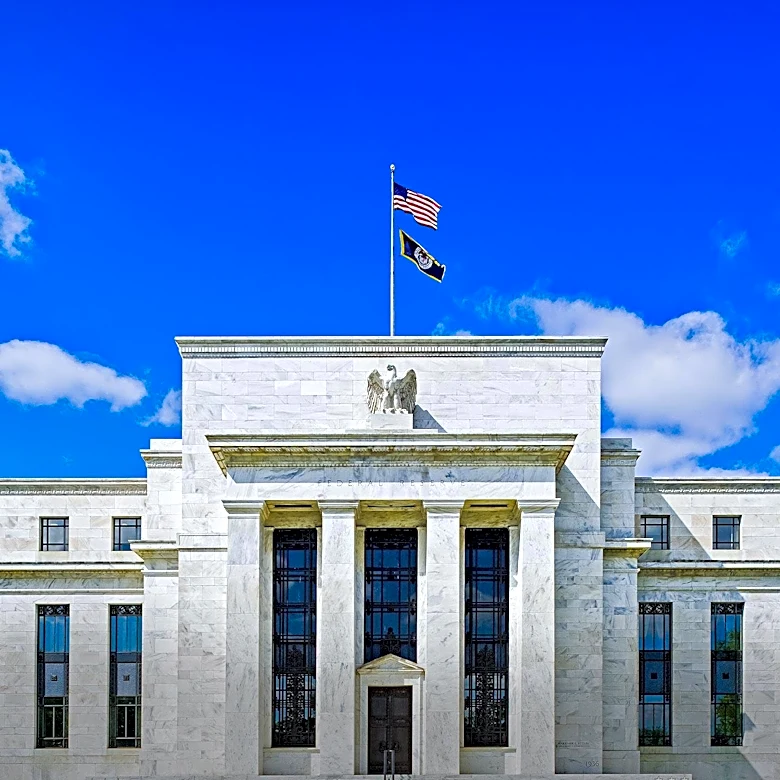
Earlier this month, the U.S. Federal Reserve raised rates for the first time in three years, and the Bank of Japan increased its key rate to the highest level in 31 years.
At midday in European trading, Britain’s FTSE 100 rose 0.3%, France’s CAC 40 gained 0.2% and Germany’s DAX added 0.8%.
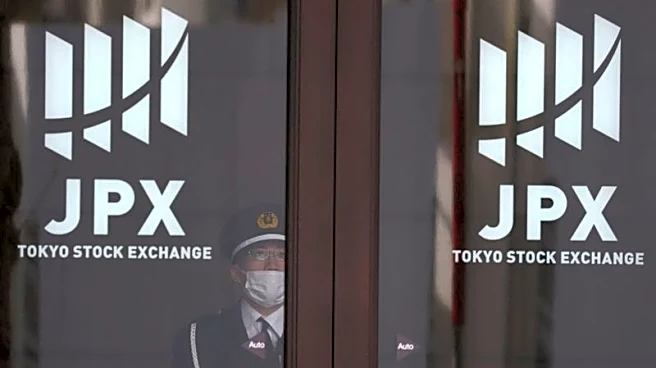
In Asia, Japan’s Nikkei 225 lost 0.6% to 65,481.27. South Korea’s Kospi declined 0.3% to 6,870.81 and Hong Kong’s Hang Seng dropped 0.5% to 24,523.57.
Hong Kong-traded shares of Shein fell 10.7%, after the online fashion retailer reported that its adjusted net profit fell 67% in the three months ending June 30 compared with the year-earlier period.
The Shanghai Composite index gained 0.2% to 3,830.45 after the Xinhua News Agency reported late Monday that China's State Council had discussed “improving the effectiveness” of macro policies to help boost its economy.
Australia’s S&P/ASX 200 edged up 0.3% to 8,709.30. Taiwan’s Taiex was 0.8% lower, while India’s Sensex fell 0.5%.
___
Associated Press journalist Rod McGuirk contributed to this report.