


WASHINGTON (AP) — The number of Federal Reserve policymakers willing to consider an interest rate hike this year rose between the January and March meetings, as higher gas prices stemming from the Iran war threatened to worsen inflation in the coming months.
Minutes of the Fed's March 17-18 meeting, released Wednesday, showed that “some” of the central bank's 19 policymakers on its rate-setting committee supported changing their post-meeting statement
to reflect the potential for a future rate hike. That is an an increase from “several” in January. The Fed doesn't disclose precise numbers of how many officials supported each position, but in Fed jargon, ‘some’ is considered more than ‘several.’
And “many” of the officials pointed to the risk that higher oil and gas prices could keep inflation elevated for “longer than expected, which could call for rate increases" to push inflation back down.
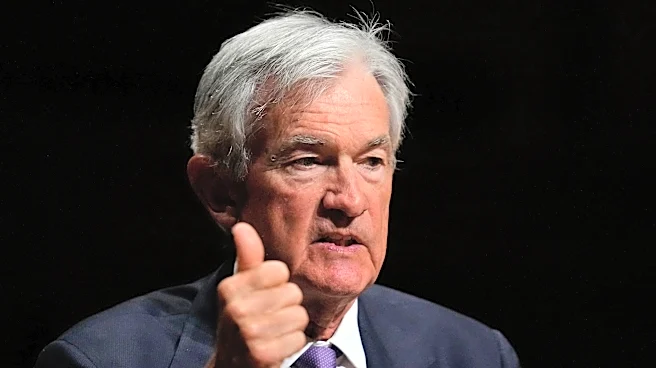
Ultimately, the Fed kept its key rate unchanged at about 3.6%. It has stood pat in its first two meeting this year after cutting its rate three times at the end of 2025. Chair Jerome Powell, at a news conference after the meeting, downplayed projections by officials that the Fed could reduce its rate once this year.
Another reduction depended on underlying inflation cooling steadily this year, Powell said. "If we don’t see that progress then you won’t see the rate cut,” he said then.
The minutes, released three weeks after the meeting, underscore the Fed's dilemma as it seeks to fill its congressional mandates of low inflation and maximum employment. Fed officials acknowledged that the Iran conflict could also force households to cut back spending to offset higher gas prices, which would slow growth and raise unemployment.
The central bank typically raises rates to cool the economy and combat inflation, while it would cut them to bolster growth and hiring. This “two-sided” risk poses a difficult challenge for the Fed.