






ABUJA, Nigeria (AP) — An outbreak of a rare type of Ebola virus has plagued Congo and Uganda, as cases outpace the response.
The World Health Organization has said that as of May 29, a total of 134 confirmed cases, including nine in Uganda, with 18 deaths among the confirmed cases, have been reported across both countries. The WHO has declared the Ebola disease outbreak in Congo and Uganda a public health emergency of international concern
.Health
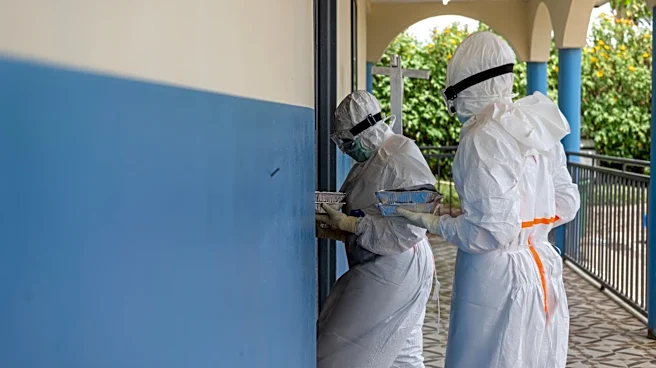
authorities say the outbreak is caused by Bundibugyo virus, a rare type of Ebola that has no approved medicines or vaccines. The outbreak is occurring in a part of Congo facing conflict caused by armed rebel groups and the displacement of large numbers of people fleeing the violence. Despite new aid arrivals, medical personnel continue to struggle with a lack of equipment and a distrustful population.
Here’s what to know:
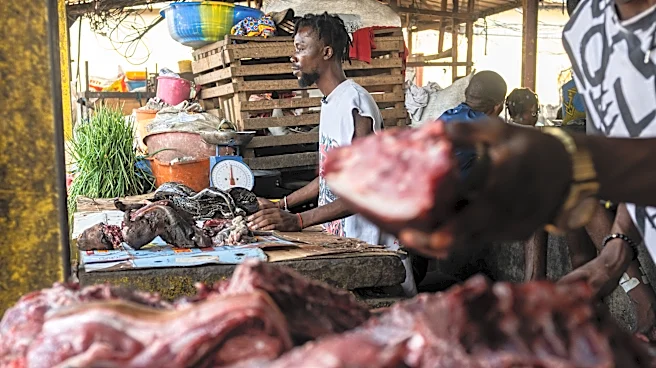
Ebola disease is highly contagious and can be transmitted to people from wild animals. It spreads in the human population through contact with bodily fluids such as vomit, blood or semen, and with contaminated surfaces and materials such as bedding and clothing.
The disease is rare but severe and often fatal in people. Symptoms include fever, vomiting, diarrhea, muscle pain and at times internal and external bleeding.
The first Ebola virus to be identified was in 1976 near the Ebola River in what is now Congo. The first outbreaks occurred in remote villages in Central Africa, near tropical rainforests.
The WHO says the latest Ebola outbreak does not meet the criteria for a pandemic emergency, such as COVID-19, and advises against closing international borders.
Its emergency declaration is meant to spur donors into action. However, the global response to previous declarations has been mixed.
When the WHO declared mpox outbreaks in Congo and elsewhere in Africa as a global emergency in 2024, experts at the time said it did little to get supplies like diagnostic tests, medicines and vaccines to affected countries quickly.
An array of aid agencies are trying to help. WHO representatives in Congo said organizations on the ground included UNICEF, the International Organization for Migration, Médecins Sans Frontières, the World Food Program and the Red Cross.
The Africa Centers for Disease Control and Prevention said the first cases were reported in late April in Bunia, the capital of Ituri province, and the nearby Mongbwalu health zone, a high-traffic mining area. However, officials say they are not certain of the source and the outbreak may have started weeks earlier and gone unnoticed.
Ituri is in remote eastern Congo, with poor road networks and health facilities, and is more than 1,000 kilometers (620 miles) from the capital, Kinshasa.
Attacks in Ituri by the Allied Democratic Force, a rebel group allied with the Islamic State group, and a coalition of ethnic militias have also hindered the response. The illness also has been reported in the Congolese provinces of North Kivu and South Kivu, south of Ituri, where the Rwanda-backed M23 rebel group controls many key cities, including Goma and Bukavu. The rebels have reported two cases.
The WHO says Ebola is caused by a group of viruses, and three kinds are known to cause large outbreaks: Ebola virus, Sudan virus and Bundibugyo virus. The Bundibugyo type of Ebola is rare and different from the Ebola virus, sometimes known as the Zaire virus, that has been dominant in Congo's previous outbreaks.
It was first detected in Uganda’s Bundibugyo district during a 2007-2008 outbreak that killed 37 people. The second time was in 2012 in an outbreak in Isiro, Congo, where 29 deaths were reported. The current outbreak is the worst known one linked to the Bundibugyo virus.
The average fatality rate of Bundibugyo virus is around 30%-50%, Anaïs Legand, a researcher in the WHO emergencies program said on May 29.
Dr. Gabriel Nsakala, a professor of public health who has been involved in past Ebola responses in Congo, said the country has extensive experience managing Ebola outbreaks, but response efforts could be complicated by the unusual type. The initial response was delayed because health authorities first tested for the more common Ebola virus.
When the outbreak was confirmed, the Africa CDC convened an urgent high-level meeting with health authorities from Congo, Uganda and South Sudan, together with key partners including U.N. agencies. A WHO technical advisory group is looking at candidate vaccines that could be prioritized for clinical trial, though experts caution this will take time, likely months.
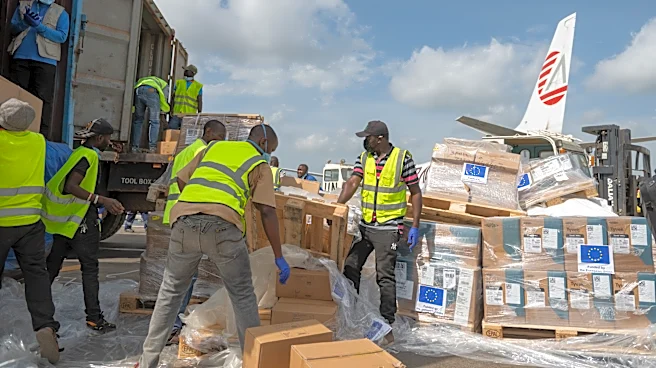
Funding is also a challenge following recent aid cuts to Africa by the United States and other rich nations. Medical aid donated by the European Union arrived in Ituri province on May 28, with more shipments expected. The U.S. announced $80 million in additional aid on the same day, bringing its total commitment to more than $112 million.
The response has not kept pace with one of the fastest-spreading outbreaks on record, Doctors Without Borders, or MSF, warned on May 30, calling for an immediate expansion of testing, faster deployment of aid workers and sustained access for medical supplies.
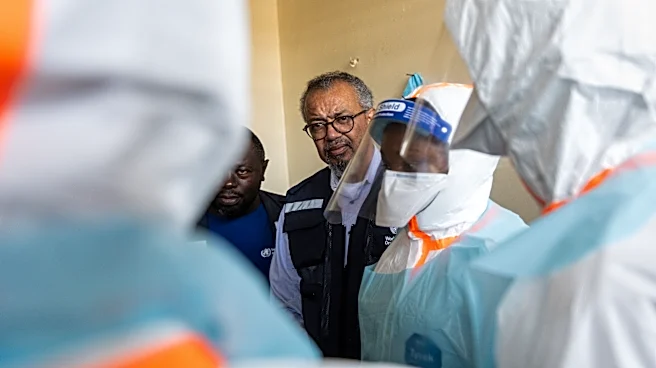
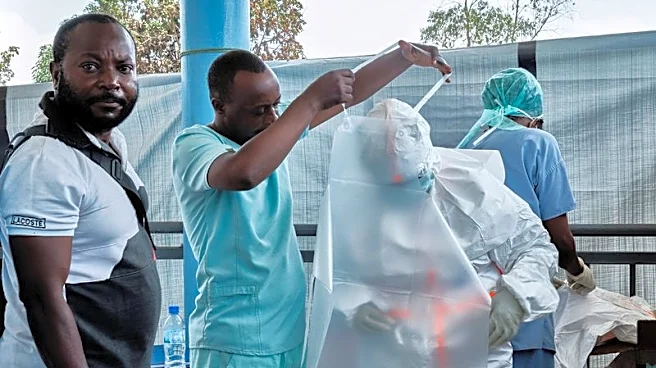
Dangers faced by health workers have been heightened by anger among residents over the stringent medical protocols for handling the victims’ bodies, which clash with local burial rites. Residents have launched at least three attacks against health centers.
___
Magome reported from Johannesburg. Associated Press writers Saleh Mwanamilongo in Bonn, Germany, and Mark Banchereau in Dakar, Senegal contributed to this report.