




A Russian official on Thursday sought to turn the page on the suspicious death of a worker at a plague research lab in Siberia, saying a quarantine and other preventive measures had been completed with no dangerous pathogens detected.
The statement by Irkutsk Gov. Igor Kobzev came a day after the World Health Organization requested more information from Russia about the death of the worker at the Irkutsk Anti-Plague Institute of Siberia that sparked
global concerns about a possible case of pneumonic plague.
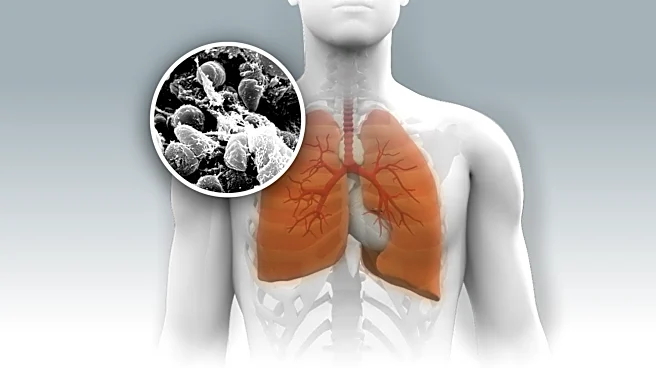
Media reports in Russia blamed the Oct. 2 death of the woman, whom news outlets identified as Darya Shipilova, 28, on pneumonic plague, which can spread from person to person. Russian authorities have kept a tight lid on information about the case, saying only that the woman contracted pneumonia of “unknown” origin and that her tests were negative for the pathogens she worked with.
Kobzev's statement didn’t provide details about what exactly caused the woman’s pneumonia and what kind of pathogens she worked with. He also did not explicitly say that her death was not caused by pneumonic plague.
The woman had “community-acquired” pneumonia — a type of pneumonia contracted outside of a hospital setting, Kobzev said. She had been “vaccinated and immune" to the pathogens she worked with at the institute, he said.
No accidents had been detected at the institute, where “adequate control measures for working with pathogenic microorganisms” have been verified to be in place, he added.
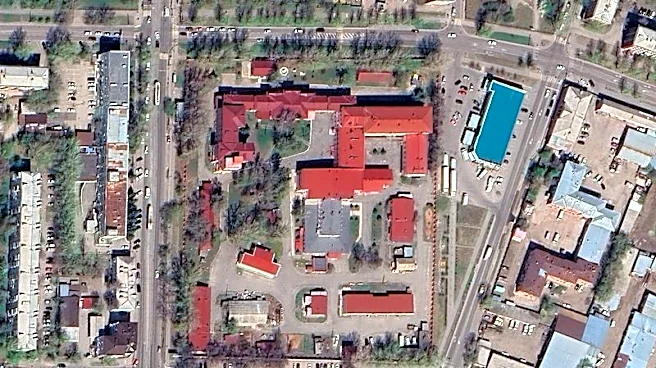
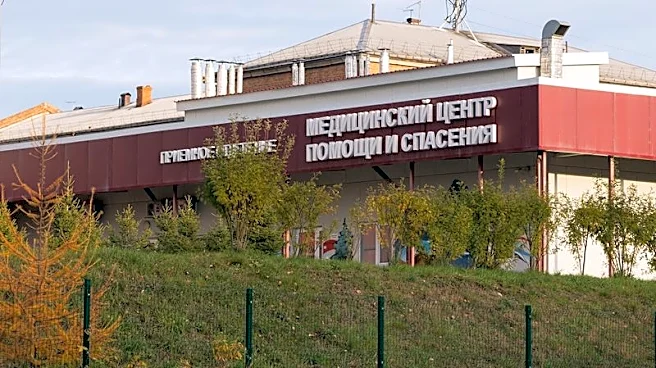
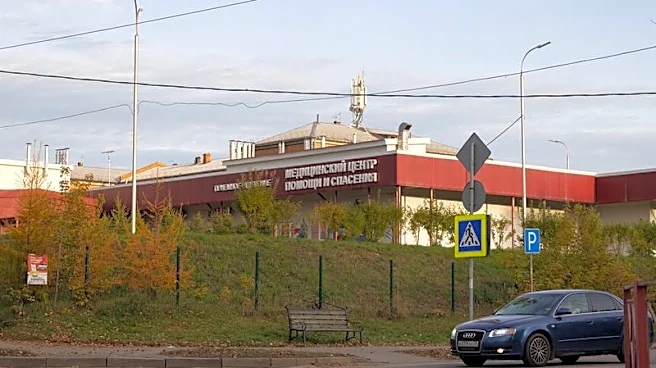
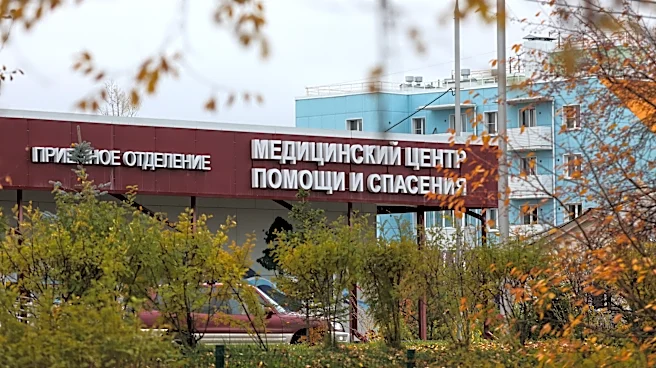
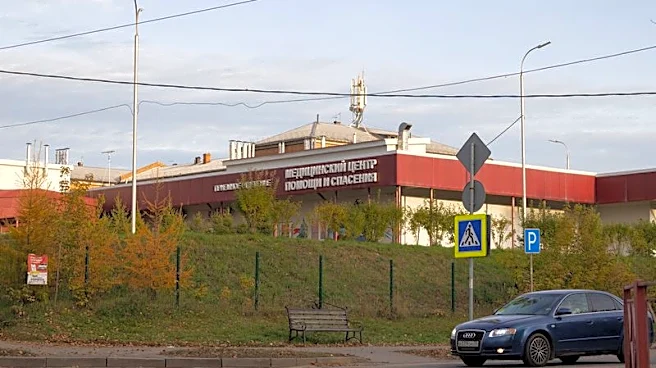
The hospital where she died was placed under quarantine and those who came in contact with her were put under medical observation. Anna Popova, the head of Russia's public health watchdog Rospotrebnadzor, flew to the Irkutsk region last week, and a special commission of experts was formed to deal with the case.
Kobzev said quarantine, observation of the woman's contacts and other steps were completed, and some 5,000 lab tests conducted as part of the measures found no pathogens.
He added that the investigation came amid "pressure” from the media, calling it “a challenge, but we handled it commendably.”
On Wednesday, Maria Van Kerkhove, the WHO's director of Epidemic and Pandemic Management, said the U.N. health agency doesn’t know what caused the woman’s death and asked for more information from Russia. The WHO also referenced media reports that a second employee had pneumonia of undetermined cause.
Earlier Thursday, Rospotrebnadzor rejected reports about a second person falling ill after coming into contact with the lab worker. It didn’t offer any new information about the lab worker’s illness and death or reasons behind the sprawling emergency measures in the region.
Kobzev said the epidemiological situation in the city of Irkutsk, where the anti-plague institute is located, the nearby town of Shelekhov, where the woman was hospitalized, and adjacent areas is “calm.”