
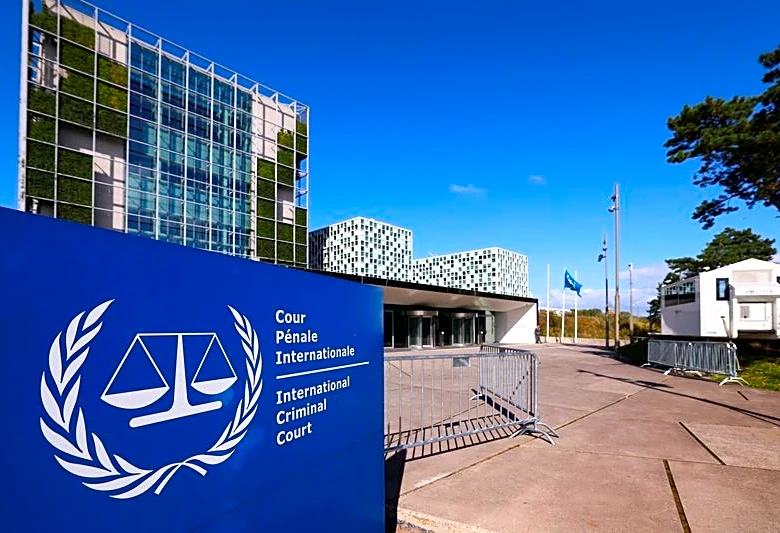





UNITED NATIONS (AP) — Human Rights Watch and three other advocacy groups sued the Trump administration on Tuesday to challenge its campaign against the International Criminal Court, arguing that sanctions against ICC judges and prosecutors are undermining the ability to prosecute people responsible for humanity’s worst crimes.
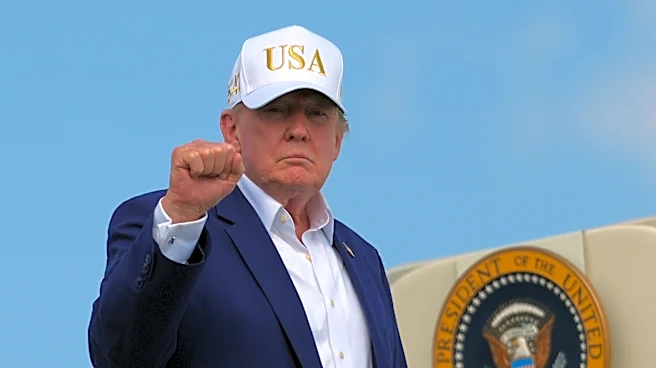
The complaint — filed in the Southern District of New York — says that President Donald Trump's executive order last year targeting
the Hague-based criminal court and the U.S. sanctions issued against a U.N. human rights expert and three Palestinian rights groups represent a “blatantly illegal attack on international justice and should be struck down," according to a press release.
The lawsuit is the latest example of organizations pushing back on what they call the Trump administration’s efforts to undermine international law and prevent efforts to combat impunity by governments around the world.
“The fact that so many leading human rights and humanitarian organizations have come together to challenge Trump’s unlawful executive order demonstrates the widespread harm it is causing across civil society groups dedicated to bringing those responsible for grave crimes to justice,” said Andrew Loewenstein of Foley Hoag LLP, the lead counsel representing the plaintiffs.
The groups assert that the financial and legal penalties against the ICC have forced them to “curtail a wide range of human rights and legal work in violation of their First and Fifth Amendment rights under the US Constitution and under the Religious Freedom Restoration Act.”
Other organizations joining the lawsuit are the American Friends Service Committee, the Center for Constitutional Rights and the Open Society Institute.
Efforts to retain the global tribunal's power come as the ICC faces enormous pressure, both internally and from its more than 120 member states. Among those sanctioned by the U.S. last year was Karim Khan, who was the ICC’s chief prosecutor until he was removed from the post last month, nearly two years after sexual misconduct allegations against him first emerged, as detailed in stories by The Associated Press.
The Trump administration had issued those sanctions against Khan and a dozen other ICC staff in retaliation for warrants the court has issued for top Israeli officials, including Prime Minister Benjamin Netanyahu, over the war in Gaza and investigations into U.S. personnel in Afghanistan.
Since then, U.S. Secretary of State Marco Rubio has announced that the U.S. was launching a “sweeping campaign to dismantle the threat posed by the International Criminal Court to U.S. sovereignty.”
In a video message last month, Rubio said the U.S. would pressure member states to withdraw from the institution, sanction organizations that work with the court and ban staff from traveling to the United States. Countries that “enjoy the benefits of the U.S. security umbrella” will be called upon to reject the court’s jurisdiction over U.S. citizens, he added.
Several countries, including U.S.-allied Venezuela, announced they would withdraw from the court shortly after Rubio's statements and Khan's removal.