



JERUSALEM (AP) — U.S. President Donald Trump has raised the stakes in his showdown with Iran after declaring the American military has blockaded all of the country's ports.
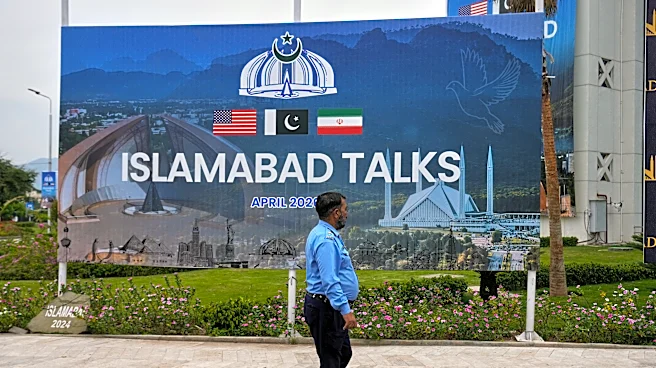
Trump announced the move on Monday, a day after ceasefire talks with Iran in Pakistan ended without agreement.
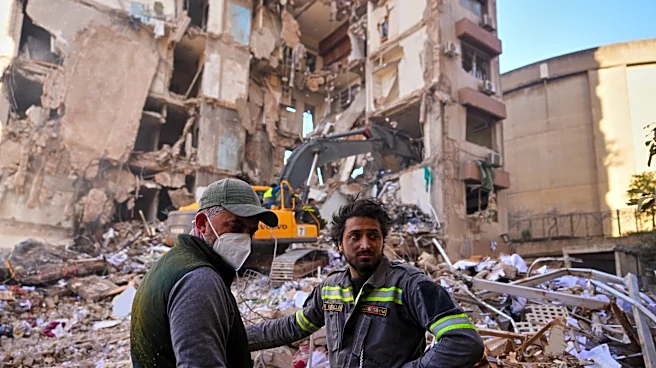
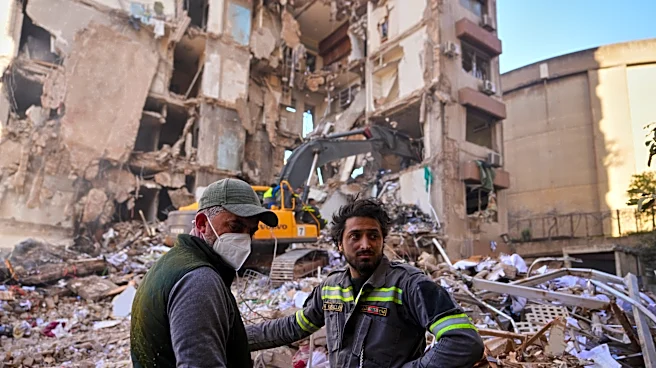
The blockade is part of an effort to force Iran to open the Strait of Hormuz to global traffic and accept a deal to end an inconclusive war that has inflicted heavy damage
on Iran, reverberated across the region and shaken the world economy.
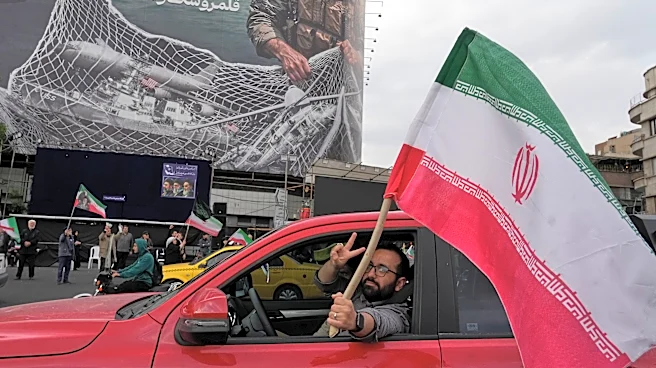
Iran, however, responded with threats against all other ports in the Persian Gulf and the Gulf of Oman, raising the possibility that the two-week ceasefire declared last week could collapse and the war could resume.
Here’s a closer look at where things stand.
The standoff shows how entrenched the longtime adversaries remain over the war, which Israel and the United States launched on Feb. 28.
Speaking outside the Oval Office on Monday, Trump suggested the U.S. is still willing to negotiate a resolution with Iran and said the Iranians are also looking for a way out.
“I can tell you that we’ve been called by the other side,” Trump said. “We’ve been called this morning by the right people, the appropriate people, and they want to work a deal.”
Earlier Monday, the powerful head of Iran’s judiciary, Gholam Hossein Mohseni Ejei, said Iran is ready for negotiations but only on the basis of “principles and logic.”
Neither side has indicated what will happen after the ceasefire expires on April 22.
When the U.S. and Israel began the war, they pledged to eliminate Iran’s nuclear and missile programs and its support for armed proxy groups across the region, such as the Lebanese Iran-backed militant Hezbollah group.
Ahead of the weekend talks, the U.S. had presented a 15-point plan that is believed to include those demands.
While the U.S. proposal hasn’t been made public, Pakistani officials told The Associated Press that it also calls for reopening the Strait of Hormuz, the strategic waterway through which one-fifth of the world’s oil usually flows. Iran’s closure of the strait sent oil prices spiking and global markets plunging.
Iran countered with a 10-point plan of its own, which calls for Iranian control over the strait, an end to the war and halting attacks on its proxies, as well as demands for compensation for the damage wrought by the war.
Neither side appears to have budged much from its ceasefire terms after the 21-hour face-to-face talks ended early on Sunday.
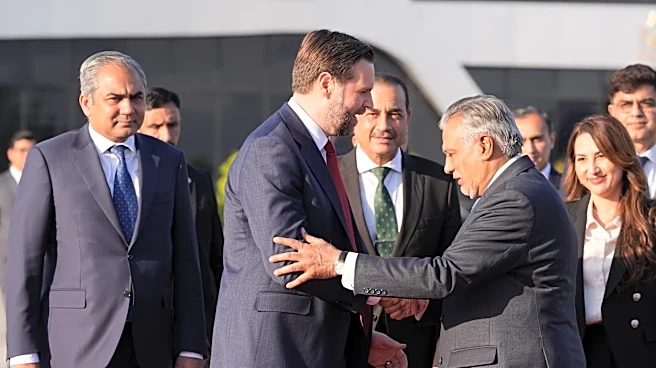
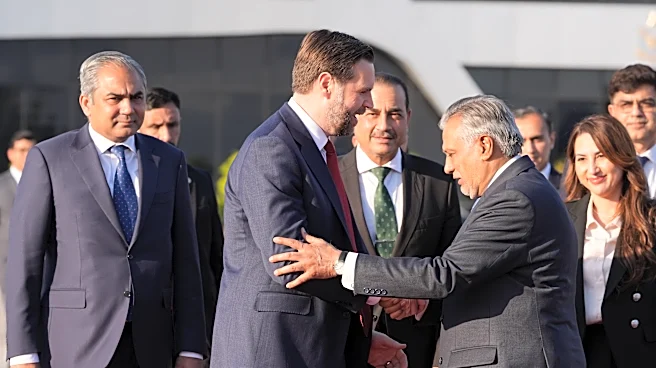
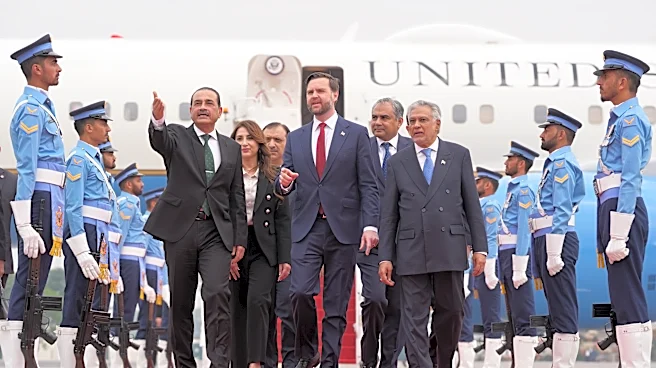
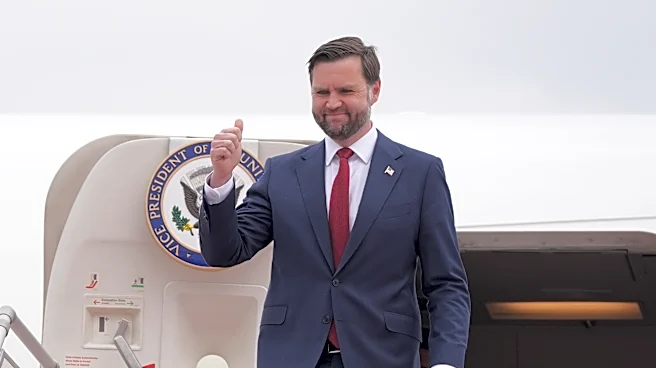
U.S. Vice President JD Vance, who led the U.S. delegation, said that Iran had failed to give assurances that it will not seek to develop a nuclear weapon.
Iran has long denied seeking nuclear weapons but has insisted on a civilian nuclear program that includes uranium enrichment — a key step toward developing a weapon. Experts say that Iran’s current stockpile of enriched uranium is a short technical step from being weapons grade.
Iran’s chief negotiator, Parliament Speaker Mohammad Bagher Qalibaf, did not mention the core disputes in a series of social media posts after the talks, adding that the U.S. must decide “whether it can gain our trust or not.”
But other Iranian officials signaled that the Strait of Hormuz also remains a key sticking point.
Ebrahim Rezaei, a spokesperson for the Iranian parliament’s National Security Commission, dismissed U.S. talk of a blockade Monday as “more bluffing than reality,” and warned that Tehran was prepared to respond if the situation escalates.
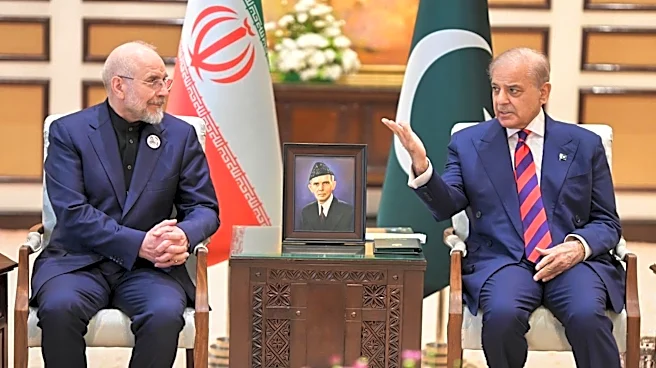
Pakistan’s foreign minister, Ishaq Dar, has said that his country will try to facilitate a new round of dialogue between Iran and the U.S. in the coming days. There was no immediate reaction from either side.
Each side has declared victory and seems to think it has time on its side.
Trump on Monday said he would not allow Iran to “blackmail” the world and said in a social media post that any Iranian ships that try to attack the blockade will be “ELIMINATED.”
Esmaeil Baqaei, spokesperson for Iran’s foreign ministry, dismissed the blockade as a “revenge of choice” that would further hurt the global economy.
“Is it ever worthwhile to cut off one’s nose to spite one’s face?!” he wrote.