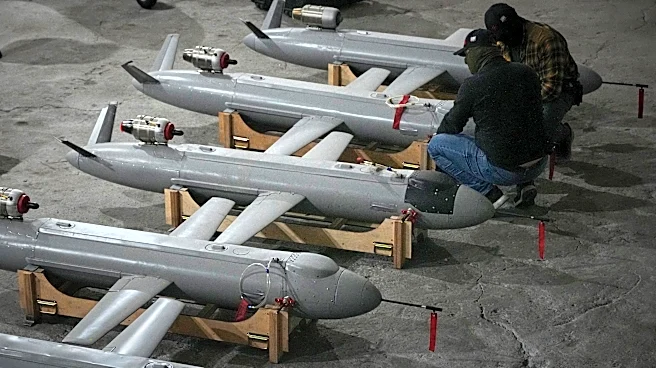




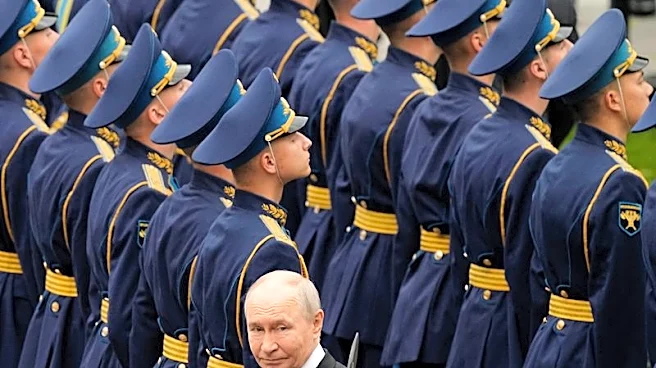


KYIV, Ukraine (AP) — Ukraine kept up its heavy drone assault on Russia, setting fire to a major oil refinery in the south, as President Vladimir Putin acknowledged for the first time on Sunday that the country was facing a “certain deficit” of fuel and vowed to strengthen protection of oil facilities and boost fuel output.
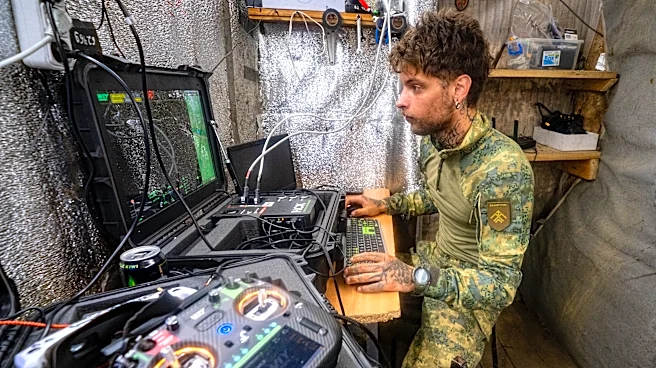
Ukraine has markedly stepped up its long-range attacks on Russian military industries and energy facilities in recent months, aiming
to cut Moscow’s revenue for its invasion — now in its fifth year — and make Russians feel the consequences.
“Our ‘long-range sanctions’ reached two oil refineries in Russia,” Ukrainian President Volodymyr Zelenskyy wrote on the Telegram messaging app on Sunday. “Each (strike) means a reduction in the resources that fuel the Russian war machine, and another step toward peace.”
The campaign has choked Russian fuel supplies, causing widespread shortages and long lines at gas stations across the country and prompting authorities in many regions to introduce fuel rationing. According to Western analysts, it has also slowed Moscow’s efforts on the battlefield, heaping pressure on the Kremlin to come to the negotiating table.
Speaking to a Russian state TV reporter, Putin described the Ukrainian attacks on oil refineries as an attempt to “cause a split in Russian society and force Russia to halt, even if only briefly, the advance of our troops along the line of contact, and create conditions for launching a negotiation process on terms advantageous to our adversary."
“We will not give them that chance,” Putin said, adding that “strikes on our infrastructure, wherever they are directed, have absolutely no effect on the situation at the front, on the line of contact.”
He said for the first time that Ukraine has proposed a halt on deep strikes, arguing that Kyiv made the offer because Russian strikes deep into Ukrainian territory are more powerful and devastating.
The Russian leader added that Kyiv also offered to limit the fighting to the four regions that Russia annexed but never fully captured — Donetsk, Luhansk, Kherson and Zaporizhzhia. He rejected the proposal, arguing it would allow Ukraine to relocate its forces that are fighting Russian troops in other areas to let them focus on fending off the Russian attacks in the four southeastern regions.
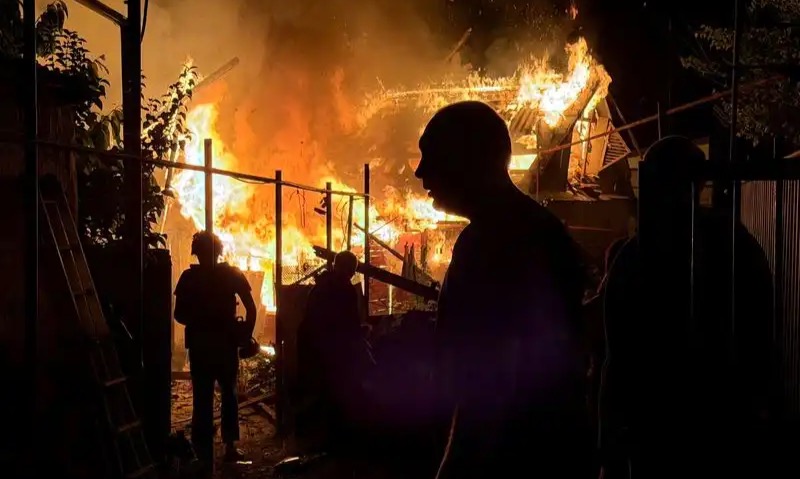
Meanwhile, debris from downed Ukrainian drones sparked a blaze at the refinery in Slavyansk-na-Kubani, a town in Russia's Krasnodar region, east of occupied Crimea, according to regional Gov. Veniamin Kondratyev. The falling debris killed one person in Slavyansk and wounded another in a nearby village, local authorities said.
The facility is one of southern Russia’s major refineries, processing close to 4 million tons of crude per year, according to its operator’s website. It is also a key source of petroleum products intended for export through Russia’s Black Sea ports, including fuel oil, naphtha and marine fuel.
Zelenskyy also claimed that another Russian refinery, in the Yaroslavl region around 700 kilometers (435 miles) from the Ukrainian border, was hit during the nighttime strikes.
There were no immediate reports from Russian authorities about the strike on the Yaroslavl refinery. Local Gov. Mikhail Evraev reported on Sunday morning that some roads between Moscow and the region's capital, Yaroslavl, were temporarily closed due to “an enemy attack by Ukrainian drones.”
For months, Ukraine has been stepping up attacks on energy facilities deep inside Russia. Despite a raft of Western sanctions, Moscow remains among the world's top exporters of oil and natural gas.
More recently, Ukraine has attempted to choke off fuel deliveries to Crimea, the Black Sea peninsula illegally annexed by Moscow in early 2014. Last weekend, Kremlin-installed officials in Crimea suspended gasoline sales to civilians, after Kyiv's targeting of supply routes triggered the worst energy crisis there since the annexation.
Speaking at a meeting with officials that focused on the fuel situation, Putin admitted that the country was “going through a difficult period,” but insisted that Moscow would “honor all its social obligations.”
Shortly after, he told state TV that the country's arms industries will quickly ramp up production of air defense systems to fend off Ukrainian attacks.
Putin also said that Russia will import more fuel and speed up repair works at oil facilities to end the “temporary deficit.”
“All damaged facilities are being restored quite quickly, and the issues that arise are not critical,” he said.
Putin specifically pledged to quickly deal with fuel shortages in Crimea, saying that fuel deliveries to the Black Sea peninsula by land and sea will rise and voicing confidence that “this task will be accomplished.”
As fuel shortages spread across Russia, the governor of the Irkutsk region in Siberia, thousands of kilometers (miles) from the Ukrainian border, Igor Kobzev announced that drivers will only be allowed to buy no more than 50 liters (13 gallons) of fuel per vehicle per day at state-run Rosneft gas stations in the province. Other gas stations may set lower limits.
Russia's Deputy Prime Minister Alexander Novak said that Moscow was actively reviewing fuel export agreements to avoid compromising domestic needs.
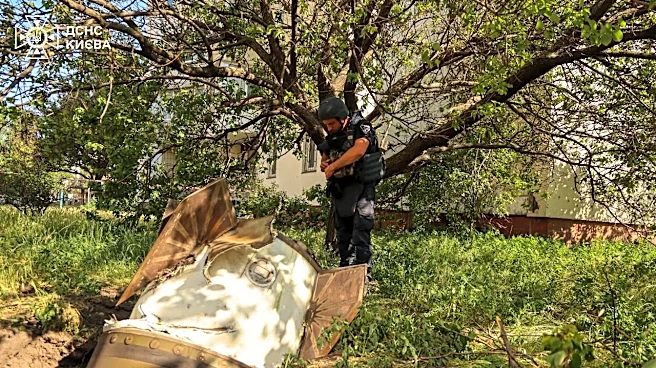
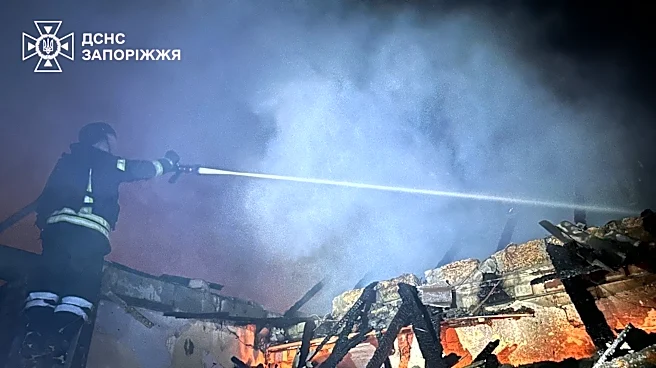
Also on Sunday, a Russian aerial bomb killed two people in Zaporizhzhia — a city in southern Ukraine — and injured 16 others, including two children, said regional administration head Ivan Fedorov.
In Russia's border region of Belgorod, Ukrainian drone strikes killed one person and injured another earlier on Sunday, according to acting local Gov. Alexander Shuvayev.
Russia’s Defense Ministry said its forces shot down 213 Ukrainian drones during the night, including over Russia, occupied Crimea and the Black and Azov seas.
Meanwhile, Russia attacked Ukraine with 142 long-range strike drones and eight missiles overnight, according to the Ukrainian air force. Of those, 125 drones and seven missiles were struck down, the air force said.
___
Follow the AP’s coverage of the war in Ukraine at https://apnews.com/hub/russia-ukraine