




BEIRUT (AP) — The United Nations peacekeeping chief said Wednesday that major unresolved questions remain about plans for southern Lebanon as the end of a long-running U.N. peacekeeping force looms.
The mandate of the U.N. peacekeeping force in southern Lebanon known as UNIFIL expires at the end of the year, bringing to an end a nearly 50-year long presence.
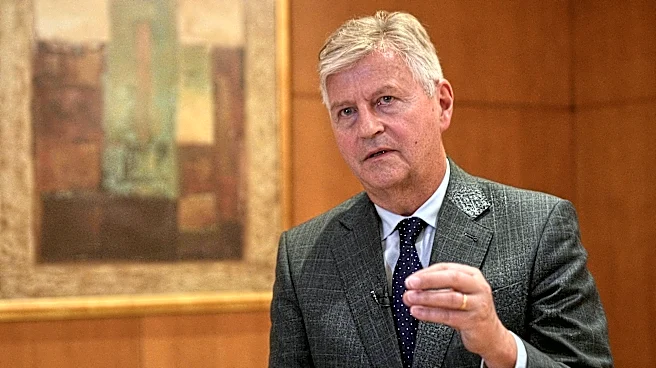
Undersecretary-General Jean-Pierre Lacroix told The Associated Press during a visit to Beirut
that “the Lebanese authorities were unanimous in telling us they want to keep a U.N. presence" to monitor and report violations and defuse tensions between Israeli and Lebanese troops on the ground.
Lebanese officials have pushed for a last-minute extension of UNIFIL’s mandate, so far without success.
Several options are under consideration for a potential successor force, but “no decision has been made so far about what kind of U.N. presence, if anything, after UNIFIL,” Lacroix said, adding that he expects “negotiations will begin in earnest at the Security Council” soon and that a decision should be made before the force’s mandate expires.
“The voice of the Lebanese authorities should be heard very clearly during that process of negotiation,” he said.
The U.N. Security Council voted in August 2025 to terminate UNIFIL’s mandate at the end of 2026, bowing to demands from the United States and its close ally Israel, which accused UNIFIL of failing to halt Hezbollah’s military buildup in southern Lebanon.
The security situation in southern Lebanon has worsened substantially since then, with the outbreak of the latest Israel-Hezbollah war in March.
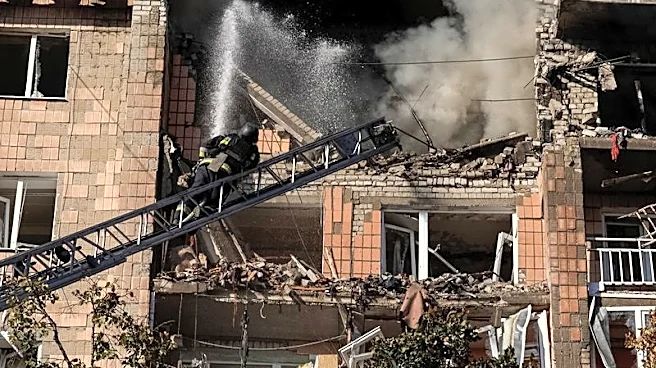
While a shaky ceasefire is in place, Israel has occupied a large swath of southern Lebanon and continues to carry out demolitions and strikes that it says target Hezbollah facilities but which have also destroyed thousands of homes, in some cases wiping out entire villages.
The Iran-backed Lebanese militant group Hezbollah, meanwhile, has refused to disarm, and many fear that the war could reignite, particularly if fighting resumes between Iran and Israel.
Lebanese President Joseph Aoun said in a statement Wednesday after meeting with Lacroix that a withdrawal of the peacekeeping force “would create a vacuum with negative repercussions for the security situation in the region and leave the area without any international oversight of unfolding events.”
The European Union has announced plans for a new “support mission” for Lebanon, but it would focus on training the Lebanese army and other security forces and would not take on UNIFIL’s role in patrolling or monitoring violations in the border area.
A small unarmed U.N. observer force known as UNTSO will remain after UNIFIL’s departure.
“But the question is, are they able to operate without the kind of protecting environment that has to be provided by a U.N. military presence?” Lacroix said.
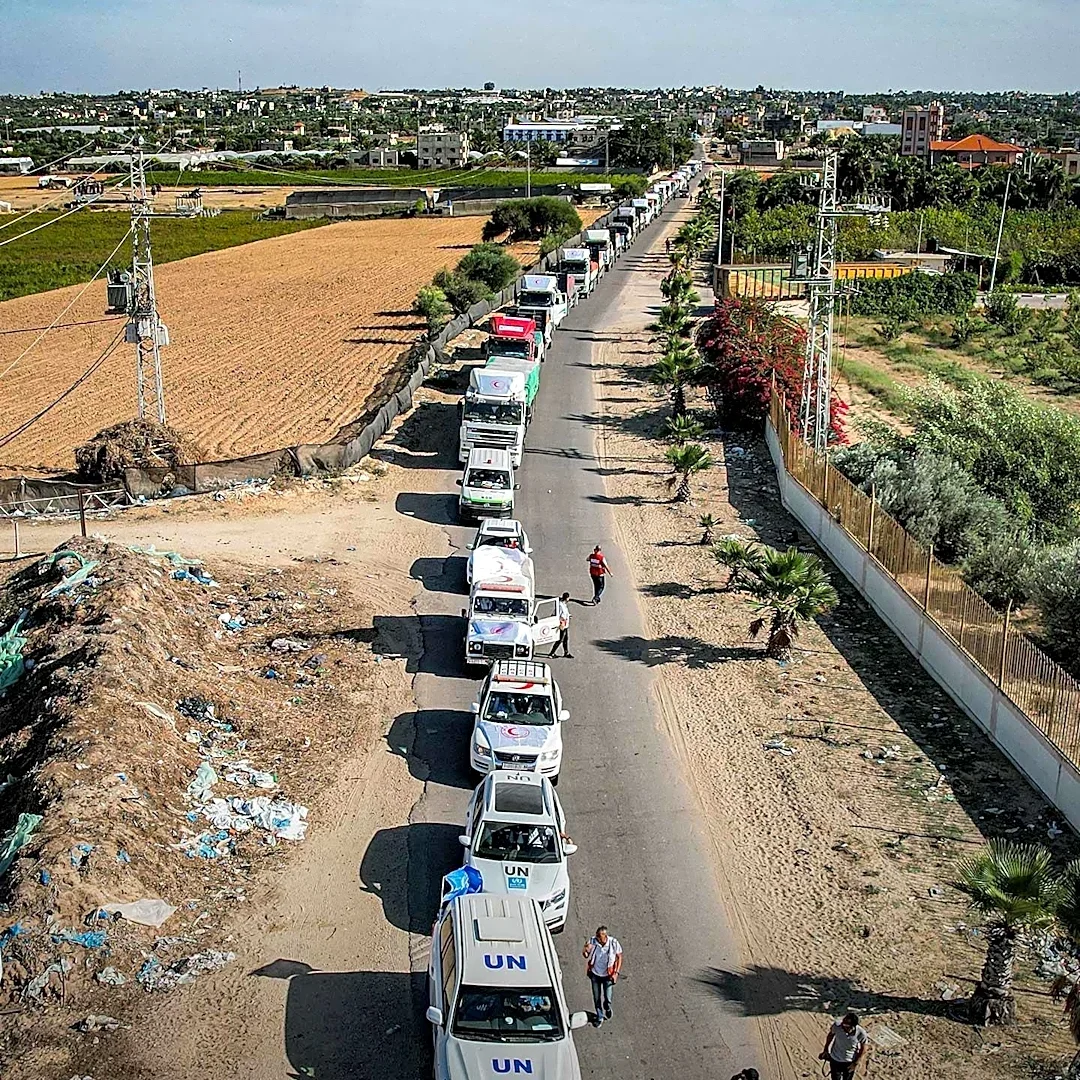
UNIFIL also escorts aid convoys and facilitates the movement of civilians still living in scattered pockets within the Israeli-occupied area bordered by what the Israeli military calls the “yellow line." It is unclear who would take over that role once the mandate ends.
Lacroix said peacekeepers also play a role in “liaison and de-confliction, avoiding unintended escalation between Israeli soldiers and Lebanese soldiers.”
The U.N. Interim Force in Lebanon was created in 1978 to oversee the withdrawal of Israeli troops after Israel invaded and occupied southern Lebanon. Israel invaded again in 1982, and it wasn’t until 2000 that it withdrew.
In the absence of an agreed-upon border, the U.N. drew up a boundary between Lebanon and Israel known as the Blue Line, which UNIFIL monitors and patrols.
The United Nations expanded UNIFIL’s mission following the monthlong 2006 war between Israel and Hezbollah. It was tasked with monitoring and reporting violations of U.N. Security Council Resolution 1701, which ended the 2006 fighting.
After a ceasefire ended another war between Israel and Hezbollah in 2024, UNIFIL was part of the mechanism set up to monitor the ceasefire implementation, along with the U.S., France, Lebanon and Israel, but the committee fell by the wayside, particularly after yet another Israel-Hezbollah war broke out in March.
UNIFIL has about 7,500 peacekeepers from 46 countries in Lebanon now, down from a peak of around 10,000. When the mandate ends, the force will have one year to wrap up its operations and withdraw.