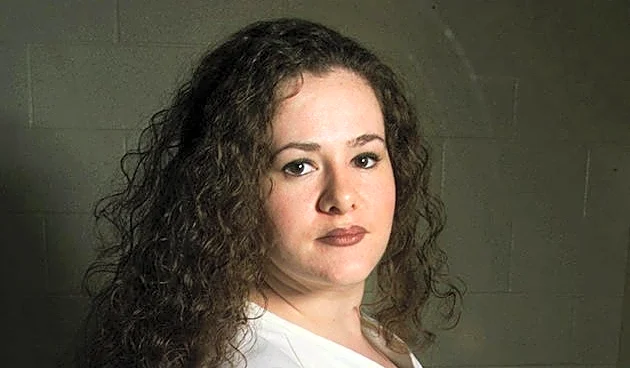








NASHVILLE, Tenn. (AP) — Christa Pike regained consciousness roughly six days after Tennessee’s failed attempt to execute her and was “speaking limitedly," one of her attorneys said during a court hearing Wednesday.
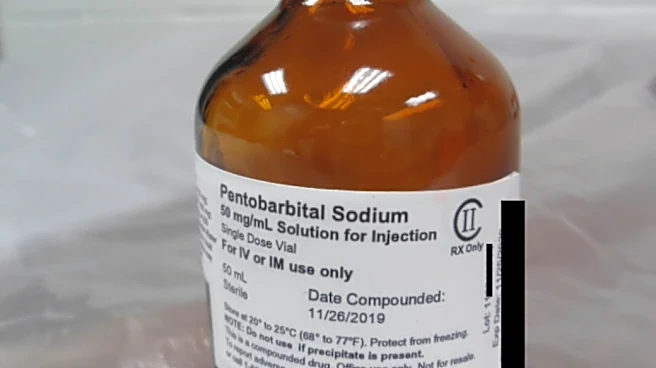
Pike, 50, survived even after executioners tried to give her two lethal doses of pentobarbital
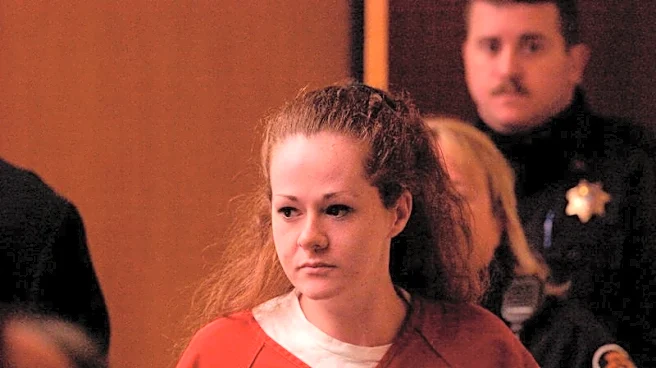
on Sept. 30. She was sentenced to death for the 1995 beating and stabbing death of classmate Colleen Slemmer.The Death Penalty Information Center
says Pike is the only person to survive after receiving lethal injection drugs during an execution.
Pike’s attorneys were taking part in a status hearing Wednesday in Nashville, where they were asking for a court order compelling the Tennessee Department of Correction to preserve evidence in the case and provide more information about what went wrong.
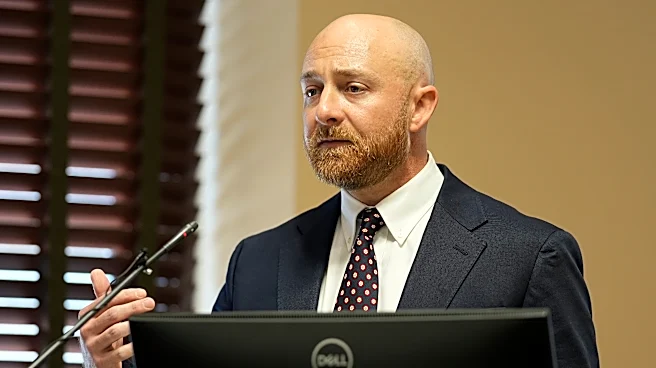
“Part of the issue that we are facing is up until yesterday, our client was unconscious, unable to communicate with counsel, unable to communicate with medical providers, and without her consent" they cannot file a new lawsuit, Luke Ihnen, a federal public defender, told the court.
Her legal team said Tuesday that Pike’s prognosis remains unclear and, at a minimum, she faces a lengthy recovery. Her arms were burned and blistered after the attempted lethal injection and she is handcuffed to the hospital bed, they said.
The failed execution has renewed scrutiny over how states carry out the death penalty, in particular the use of lethal injection. Texas was set on Wednesday to carry out the first execution in the U.S. since Tennessee attempted to put Pike to death.
Pike’s attorneys are seeking a court order to require the prison system to preserve information from the attempted execution, including drug lot numbers, needles, execution logs and other information.
Early arguments focused on whether the request should be heard in a Nashville Chancery Court or the Tennessee Supreme Court.
Attorneys with the Tennessee attorney general’s office wrote in a Tuesday court filing that a court order is unnecessary because the prison system is “obliged to maintain this evidence in other cases and must assure it is preserved.” They said state officials have taken “the necessary steps to obtain medical care for Pike and ascertain what occurred.”
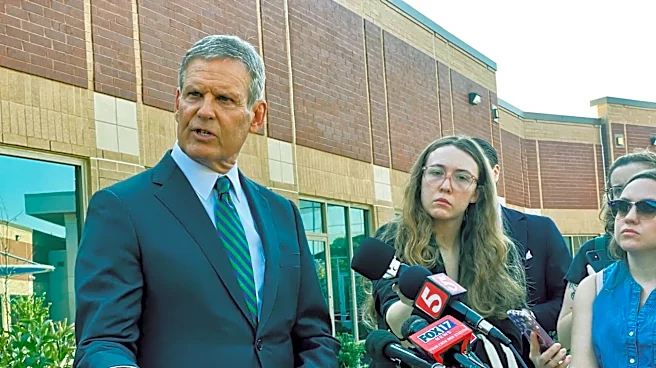
Republican Gov. Bill Lee called what happened “deeply disturbing” and ordered a “comprehensive, third-party review to determine exactly what occurred.” The governor postponed the state’s only other execution scheduled for this year.
The state's prison chief resigned in the wake of the failed execution.
Medical and lethal injection experts have focused on the possibility that a problem with the IV line caused the drug to pool in her tissue rather than entering her bloodstream. Pike’s attorneys wrote in their court filing that “apparently at no point did any member of the execution team realize that the IV lines were not correctly placed or that the veins had blown.”
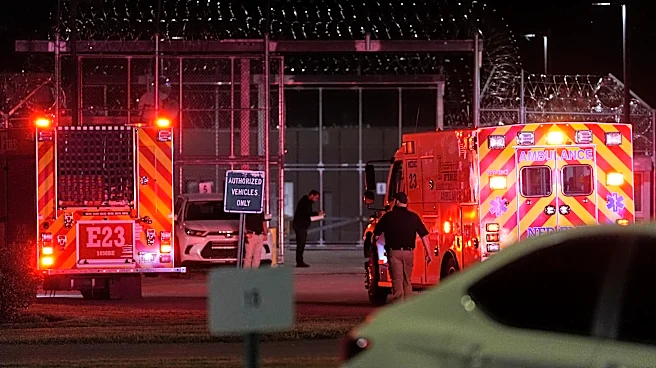
The attempted execution got underway around 7:30 p.m. on Sept. 30 when Pike was given a chance to make a final statement. About five minutes later, Pike raised her head and said her arm was hurting. At some point she appeared to lose consciousness, but she could be heard audibly breathing until media were escorted from the witness room at 8:53 p.m. An ambulance arrived at the prison at 9:14 p.m. to take Pike to a hospital.
Dr. Joel Zivot, a professor of anesthesiology and surgery in Atlanta who consulted as an expert for Pike’s legal team, said it could be weeks or months before anyone knows exactly what her recovery might look like, and whether her competency could be restored so the state can try again to execute her.
___
Associated Press writers Ed White in Detroit and John Seewer, in Toledo, Ohio, contributed.