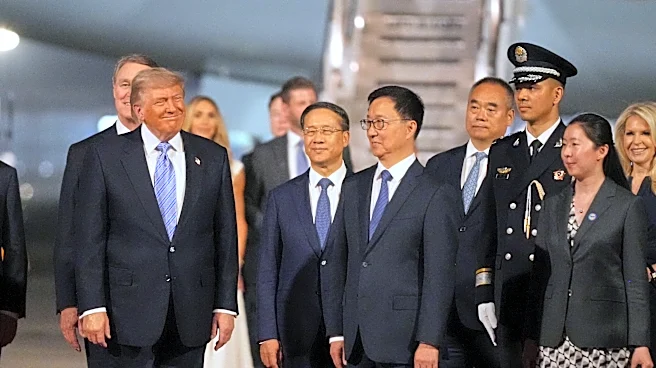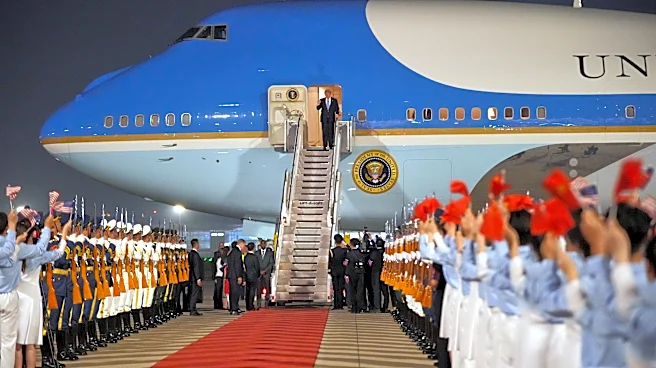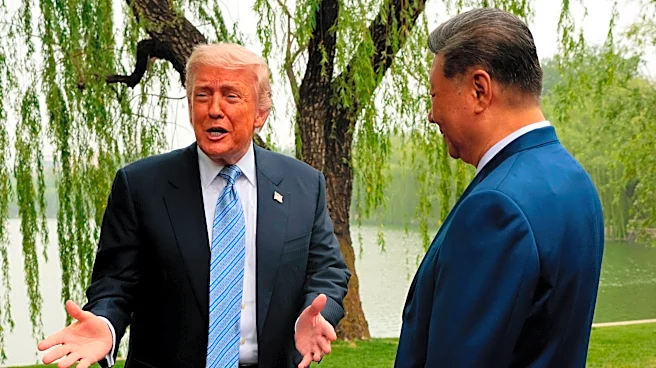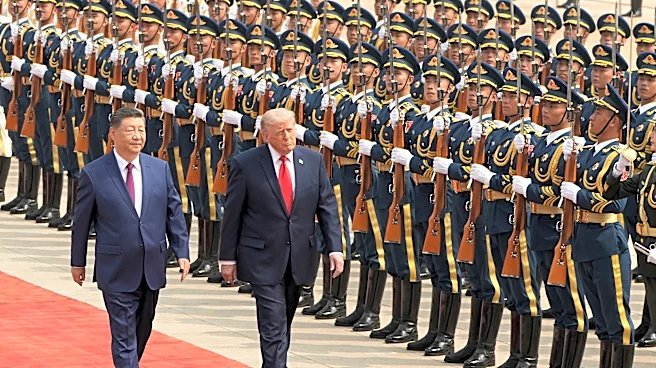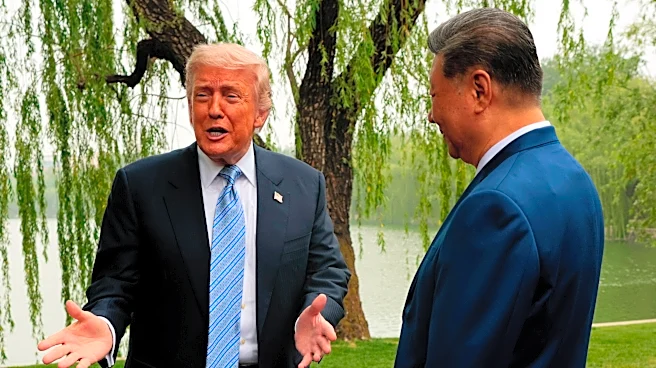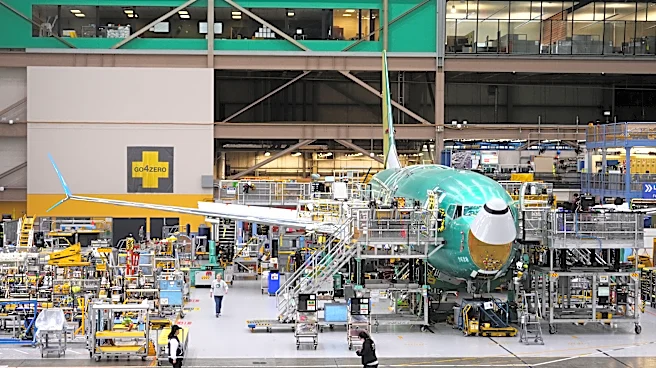


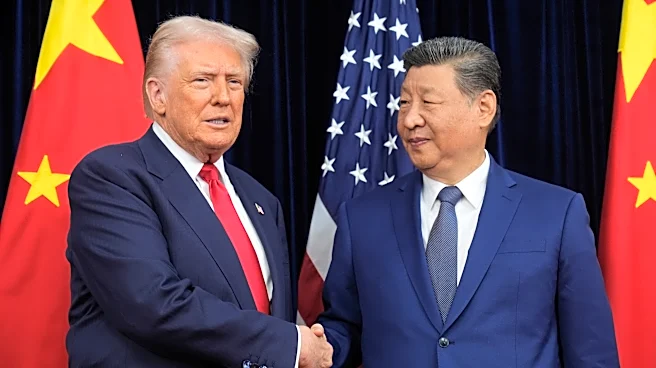
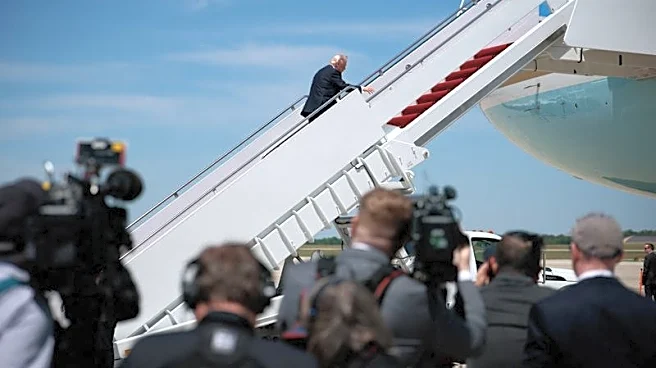
Aircraft manufacturer Boeing will make its first major sale to China in nearly a decade with an order for 200 planes, President Donald Trump told reporters Friday as he flew back from his summit with Chinese President Xi Jinping.
Speaking to reporters aboard Air Force One, Trump said China reserved the right to buy as many as 750 Boeing aircraft as part of a deal reached during the summit. The White House did not specify the types of planes or provide
any other details.
Neither the Chinese government nor Boeing issued statements confirming the purchase agreement, which would mark a significant breakthrough in a market that was once central to the U.S. aerospace company's long-term growth.
Boeing CEO Kelly Ortberg was among a large group of American CEOs who joined Trump during the president's trip to Beijing, seeking to sell products and services to China.
Since Trump returned to the White House, his administration has made Boeing a focus of its plans to revive U.S. manufacturing. A visit to the Middle East a year ago produced commercial jetliner orders from Qatar and Saudi Arabia.
Trump said the deal he outlined also would benefit General Electric, which he said would supply 400 to 450 engines to China. GE Aerospace Chairman and CEO H. Lawrence Culp also joined the president on his trip. The company did not immediately comment on the agreement.
While there were some hopes that the summit would result in concrete announcements of deals, the trip ended with a lot of uncertainty about what the two sides agreed on, said Bonnie Glaser, managing director of the German Marshall Fund’s Indo-Pacific program.
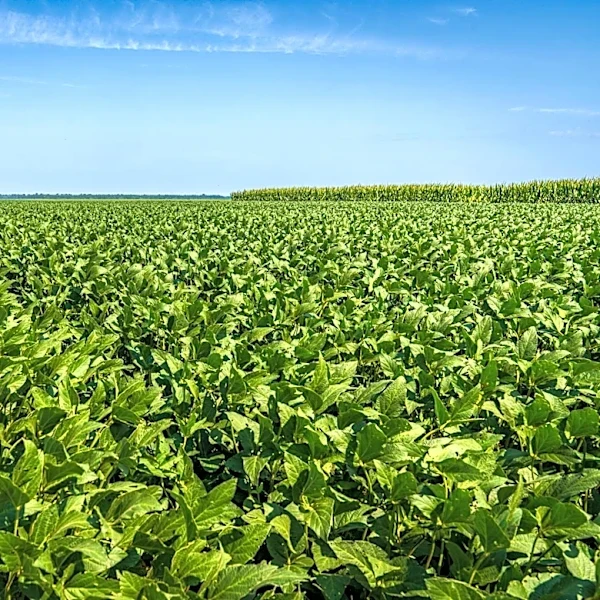
“I think we really have to wait until we hear numbers from Boeing or from the Chinese,” Glaser told a media briefing on Friday. “You would think that eventually this would be made clear, but similarly on soy, LNG, beef, I have seen absolutely nothing concrete. So all that we have is really what the president has told the world that China has agreed to.”
Before the COVID-19 pandemic, roughly a third of the narrowbody airliners Boeing delivered went to China, but the company's business there plummeted as U.S.-China relations soured.
Last month, Ortberg expressed confidence that any broad U.S.-China trade agreement to emerge when Trump and Xi met would be a “meaningful opportunity” for Boeing.
“President Trump has been very focused on supporting us in international campaigns, and he’s been very successful in doing that,” Ortberg told investors.
Ortberg took over as Boeing's CEO in 2024, a calamitous year for the company. In January of that year, a panel known as a door plug blew off a 737 Max shortly after takeoff from Portland, Oregon. Boeing faced mounting financial pressure as it came under intensifying scrutiny over alleged production and quality failures.
Months later, the U.S. Justice Department revived a criminal case against Boeing tied to the two fatal Max crashes, although prosecutors later reached an agreement with Boeing to dismiss the case, committing the company to an additional $1.1 billion in fines, compensation for victims’ families and internal safety and quality improvements.
Then an eight-week strike stretching through the fall by machinists who assemble the 737 Max in Washington state disrupted production and added to the company’s financial strain.
—- Yamat reported from Las Vegas. Barrow reported from Atlanta. Kelvin Chan contributed from London.