



BOGOTA, Colombia (AP) — Press freedom in the Americas suffered a “dramatic deterioration” in 2025, a regional watchdog said on Tuesday, following an assessment of conditions for the profession in 23 countries across the Western Hemisphere.
“This has been one of the worst years in the region, with homicides, arbitrary arrests, and impunity” for crimes committed against journalists, the Inter American Press Association (IAPA) said in its annual report.
The Miami-based group has been publishing an annual freedom of speech list, known as the Chapultepec index, since 2020. It evaluates how the United States, Canada and Latin American countries do when it comes to protecting media freedoms.
The 2025 index ranked Venezuela and Nicaragua as nations “without freedom of speech,” while Ecuador, Bolivia, Honduras, Peru, Mexico, Haiti, Cuba, and El Salvador fall into the “high restriction” category. Other democracies including Canada, Brazil, Chile and Panama were ranked as countries with “low restrictions” on freedom of speech.
The United States ranks as a nation with “restrictions” on freedom of speech, the IAPA said, noting that there were 170 attacks against journalists there in 2025. The report added that attacks during coverage of procedures undertaken by Immigration and Customs Enforcement agents had raised concerns about journalistic freedoms.
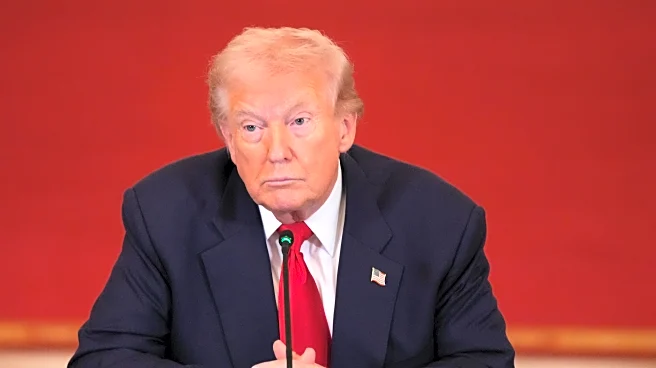
The judges found that in the U.S. “there was poor government action against disinformation, as well as government actions aimed at limiting free expression and access to information.” President Donald Trump and other White House officials have “stigmatized” media outlets that are critical of the administration, they added.
The IAPA notes that attacks on journalists have increased in the region as “authoritarian presidents” emerge in different countries. It said that in Venezuela, “self-censorship” became the norm among local media outlets — which provided almost no coverage of the Nobel Peace Prize granted to Venezuelan opposition leader María Corina Machado, fearing government reprisals.
In Nicaragua censorship is “institutionalized,” the report said, with a constitutional reform that put all branches of government under the control of the presidency.
The report classifies El Salvador as a country with “high restrictions” on freedom of speech, noting that government officials try to intimidate journalists with lawsuits and criminal investigations. It said that 180 attacks against media workers were recorded in the Central American country between May and July.
There were 290 acts of aggression against journalists in Ecuador last year, including four murders, committed allegedly by criminal gangs. One journalist was also shot in the shoulder by police while broadcasting a protest organized by an Indigenous community.
Haiti was included for the first time in the annual report and was ranked as one of the countries with the least press freedom in the Americas. It noted that two journalists were killed in 2024 by gang members who attacked the reopening ceremony of a hospital in Port-au-Prince.
Furthermore, the report said that crimes against journalists go unpunished in Haiti, where gangs control large swaths of the capital city, and have waged an intimidation campaign against media workers and local residents.
The IAPA has more than 1,300 member news organizations and promotes press freedoms throughout the Americas.
___
Follow AP’s coverage of Latin America and the Caribbean at https://apnews.com/hub/latin-america