
LONDON (AP) — The leader of the fast-growing Green Party in England and Wales faced questions about his future on Friday after failing to win a parliamentary seat from the governing Labour Party.
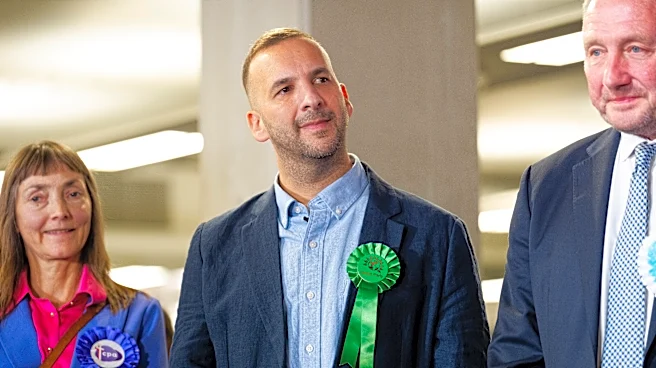
Zack Polanski is fighting a backlash over his party’s anti-Zionist stance and doubts about whether he can continue to be its leader from outside the House of Commons.
Labour candidate Sagal Abdi-Wali won Thursday's special election for the Holborn and St. Pancras
seat, which was vacated by former Prime Minister Keir Starmer, with 12,292 votes, 45% of the total. Polanski received 8,928 votes, just under 33%.
Abdi-Wali, who came to Britain from Somalia as a child refugee, said she was honored to represent an area that had given her opportunities in life.
“I hope this moment also says something about who gets to belong,” said Abdi-Wali, leader of Camden Council, the local authority. “For people who look like me, I hope they see themselves reflected in this place and know that their path too belongs here.”
Leading a party from outside Parliament poses practical challenges in Britain’s parliamentary system. Polanski was elected Green leader last year on the understanding that he would seek a seat in the Commons and join the party’s five MPs.
The Greens have grown rapidly under the “eco-populist” Polanski, broadening their message beyond environmental concerns to focus on issues including the cost of living, legalization of drugs and support for the Palestinian cause.
The party has positioned itself as an alternative to Labour for left-liberal voters and gained momentum after beating the governing party in a special election last year in one of its northern England strongholds.
But some members believe the party has moved too far from its environmentalist roots. Polanski’s campaign was overshadowed by the Greens' decision earlier this month to declare Zionism, the political movement for a Jewish homeland, a form of racism.
The motion, approved by a vote of members, backed a “single democratic Palestinian state” in the area covered by Israel and the Palestinian territories.
It has divided the party, drawn criticism from most elected Green lawmakers and alarmed many Jewish groups.
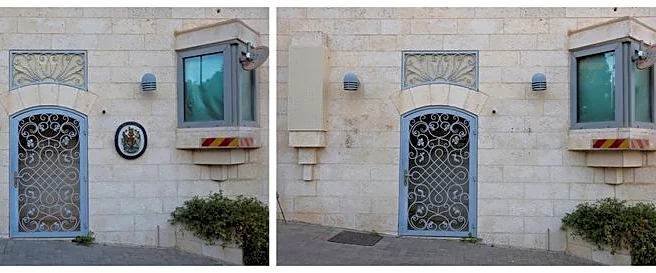
Israel called the motion antisemitic and barred Polanski, who is Jewish, from entering the country.
Polanski, who missed the vote because he was campaigning in the special election, said he would not have voted for the motion but agreed with it “in substance.” He described Israel as an apartheid state committing genocide against Palestinians and declined to say, when asked by the BBC, whether he thought Israel had a right to exist.
“I believe Israelis and Palestinians should have equal rights in a democracy,” he said.
Polanski faces a leadership vote next year. He told Sky News on Friday that it was “difficult being leader of any party, particularly the Green Party...but I signed up for that difficult job and I’m more than ready to continue.”