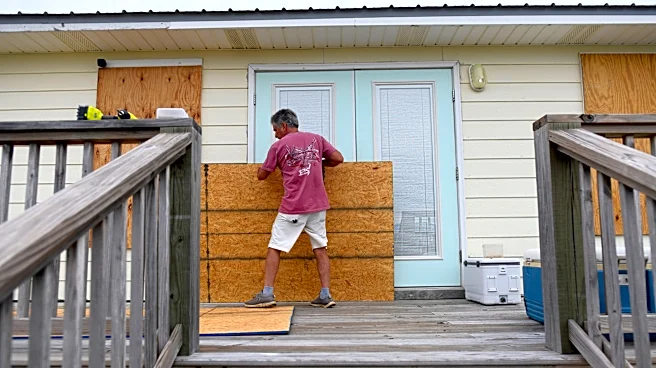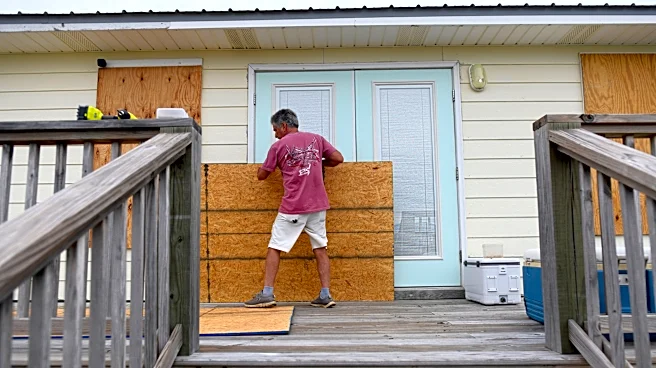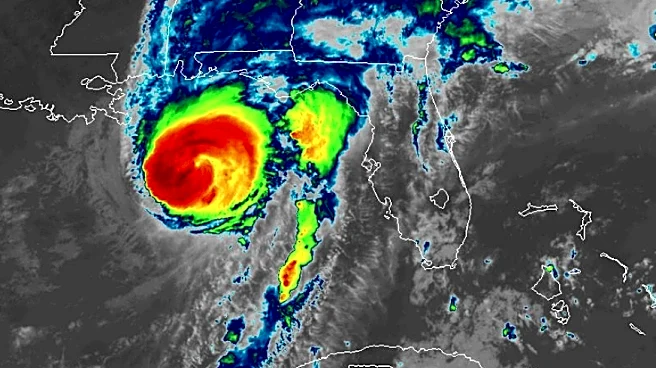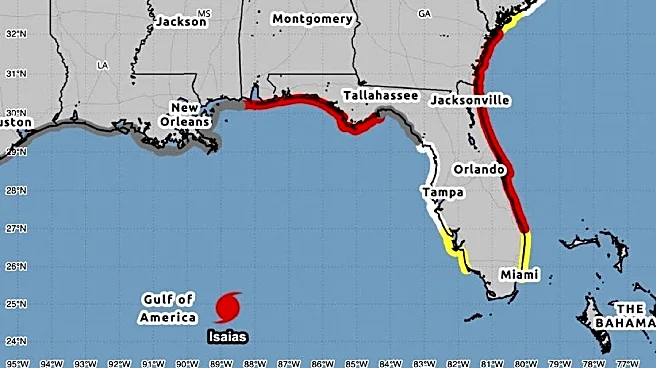




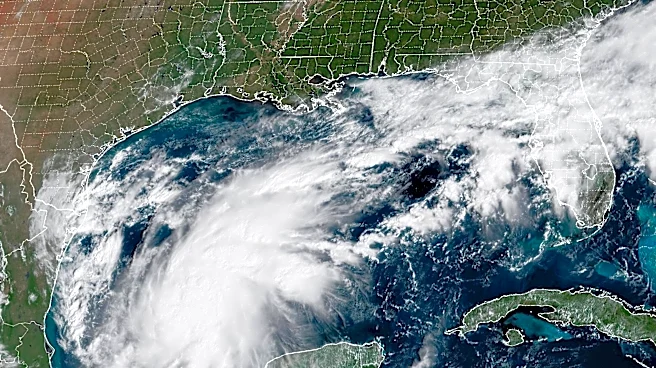
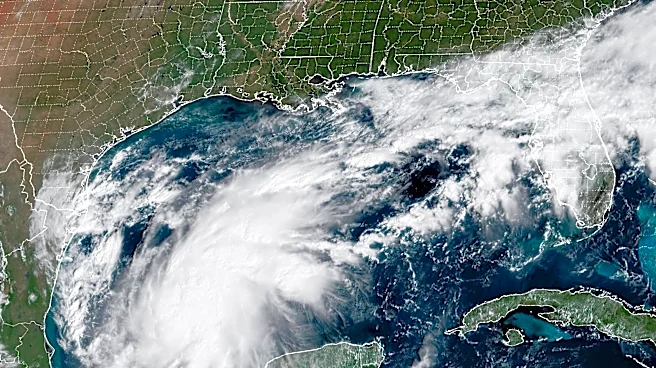
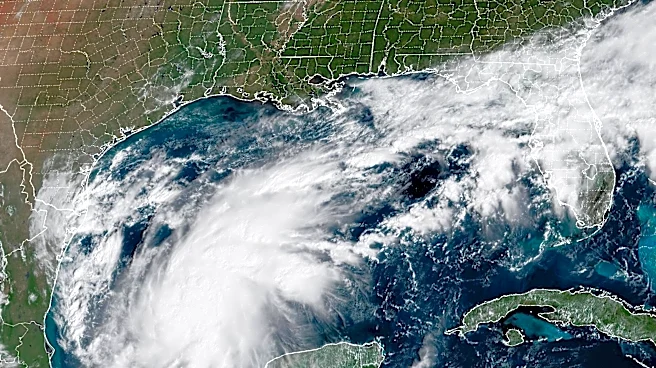
PANAMA CITY BEACH, Fla. (AP) — Isaias roared onto the Florida Panhandle, ripping roofs off homes and condominiums, before it moved north Saturday, bringing torrential rain and the threat of flash floods and tornadoes across the Southeast.
Two people were killed by fallen trees and about 800,000 customers were without power, mostly in Florida and Alabama.
Isaias came ashore as a Category 2 hurricane on Friday near Destin, Florida, a popular Gulf Coast
vacation spot filled with high-rises and quirky tourist shops. The storm weakened overnight and was downgraded to a post-tropical cyclone but remained a threat.
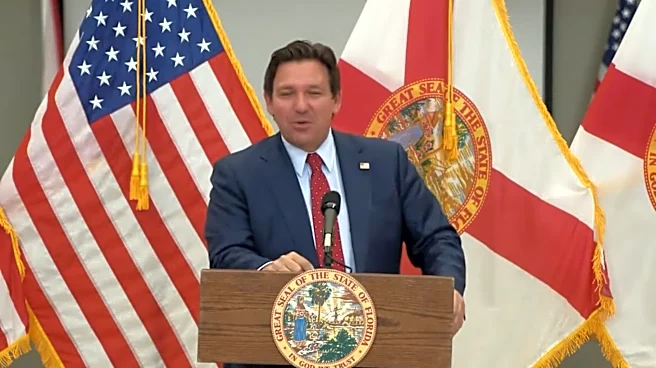
“The risk of flooding is still high,” Florida Gov. Ron DeSantis said Saturday morning. “Sometimes these things happen a day or two days after the storm goes through. So the flooding story is not over.”
Despite warnings of life-threatening storm surges ahead of the storm, several major routes along the coast remained open and were free of downed trees and power lines typically seen after major hurricanes.
Officials across the Florida Panhandle were still surveying the damage.
In Escambia County, Sheriff Chip Simmons said on Facebook that one woman died after a tree fell on her home. He did not provide additional details.
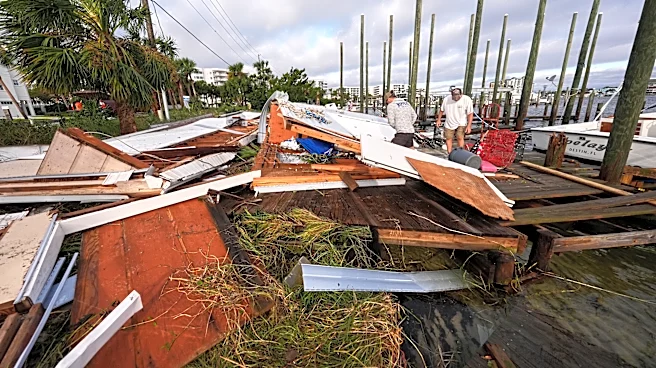
Hurricane-force winds blew the roof off a hotel in Pensacola and the city’s mayor said the airport “took some damage” while power was out downtown. The storm flattened a boathouse in Destin and flooded streets.
Residents were out early picking through the debris. A worker in a condominium parking lot in Panama City swept up piles of insulation and pieces of metal from the building. Nearby, people were putting back beach chairs that had been tossed about.
Tim Mowry, who lives in Pensacola, acknowledged he had a little “trepidation” as the storm approached. It was the first hurricane of the Atlantic season and his first ever, so he spent hundreds of dollars buying gas and filling his propane tanks.
“For my first one, I’ll take it. It was in the grand scheme of things uneventful,” he said. “I mean it’s a storm, don’t get me wrong, and we had some wind. I got some fence down in my yard,” he continued. “But I was expecting the worst.”
Isaias charged north into Alabama with tropical-force winds overnight.
One person died when a tree fell on a house in Birmingham, said Cory Moon, fire chief of the Birmingham’s Fire and Rescue Service. One other person was rescued from the house and treated at the scene, he said.
Along Alabama's Gulf Coast, authorities in Mobile reported downed trees and power lines and numerous closed roads.
Maranie Adams, who rode out the storm with her husband, two adults sons and their chickens in Gulf Shores, Alabama, said the winds rocked their home, but it was nothing like Hurricane Sally, which left 2 feet (0.6 meters) of water under their elevated house.
“We have a few limbs down, some leaves everywhere, but we’re very spared. So, everything’s open on the island today. Everything’s good,” Adams said. “I feel very much more relieved today.”
The Atlantic hurricane season has been unusually quiet this year, and Isaias was the first hurricane to hit the eastern U.S. since 2024.
Forecasters say that despite weakening, the storm still could bring 4 to 8 inches (10 to 20 centimeters) of rain across southern Alabama, the Florida Panhandle and Big Bend over the weekend. It was expected to move into the Tennessee Valley and then the mid-Atlantic on Sunday.
“There are still high wind warnings for portions of the Southeast,” Robbie Berg, a warning coordination meteorologist with the National Hurricane Center in Miami. “So even though it has become post-tropical, it still does remain a wind threat, as well as a heavy rainfall threat. We could see some areas of significant flash flooding over the next couple of days.”
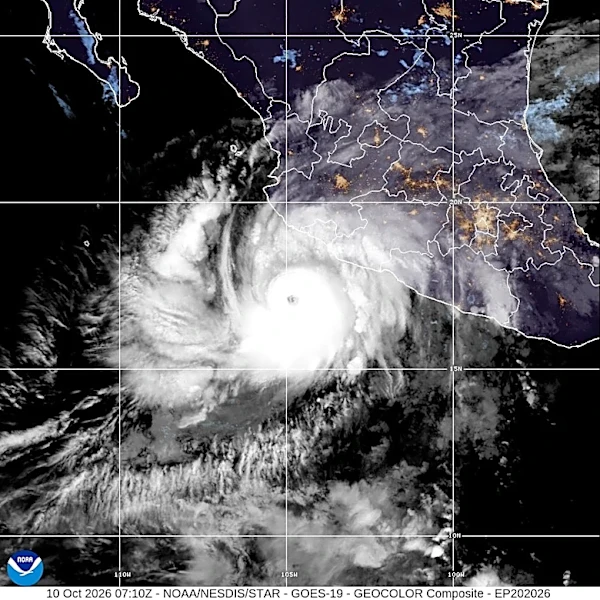
Meanwhile, in the Pacific, Simon strengthened into a Category 4 hurricane as it approached Mexico’s coast.
Tropical Storm Rachel was also expected to bring heavy winds and rain to northern Mexico and Southern California over the weekend.
___
Casey reported from Boston. Associated Press reporters Julie Walker in New York and John Seewer in Toledo, Ohio, contributed.