



BANGKOK (AP) — Asian shares skidded Thursday following a retreat on Wall Street as the price of crude oil again traded above $100 a barrel.
U.S. futures were modestly higher.
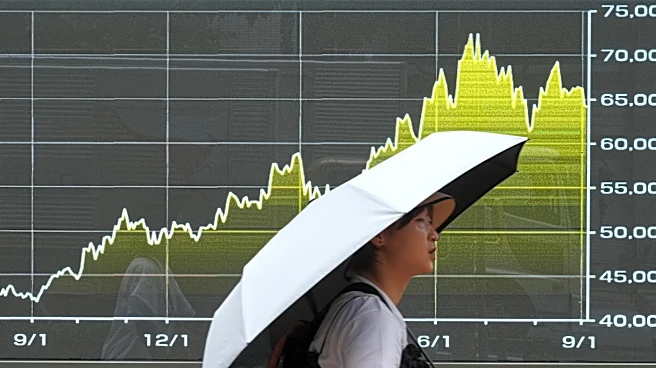
The price of Brent crude jumped 3.4% on Wednesday, surging above $100 a barrel for the first time since July. It fell back slightly early Thursday to about $101 a barrel.
The latest attacks between the U.S. and Iran are stifling the flow of oil through the Strait of Hormuz, and U.S. President
Donald Trump said Wednesday that oil prices likely won’t fall until after U.S. midterm elections.
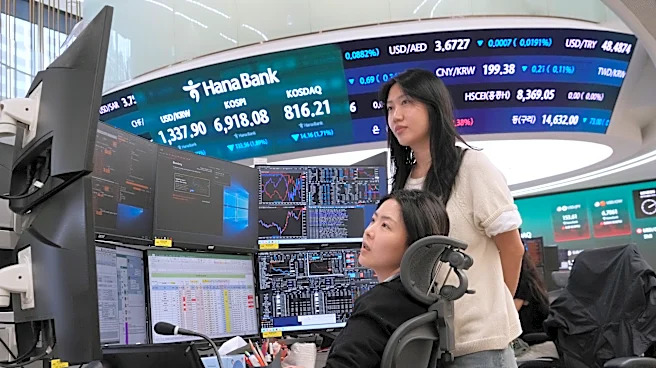
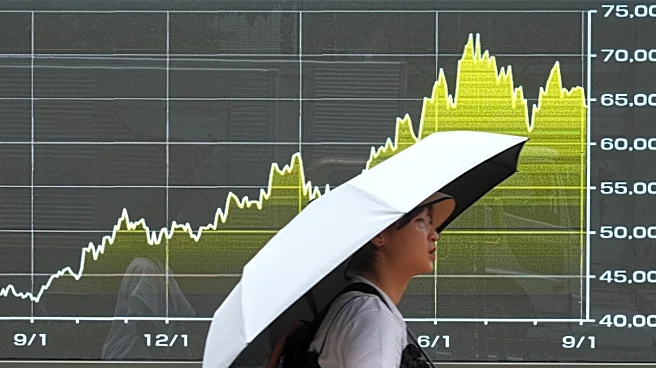
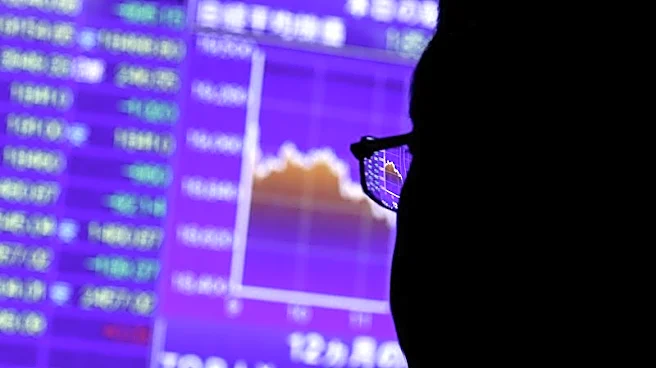
In Asian trading, Tokyo's Nikkei 225 lost 0.8% to 64,597.46 and the Kospi in South Korea declined 0.9% to 6,989.06.
Hong Kong's Hang Seng fell 1.4% to 24,932.95, while the Shanghai Composite index gave up 0.3% to 3,939.43.
In Australia, the S&P/ASX 200 slipped 1.5% to 8,774.50.
Taiwan's Taiex fell 0.8%.
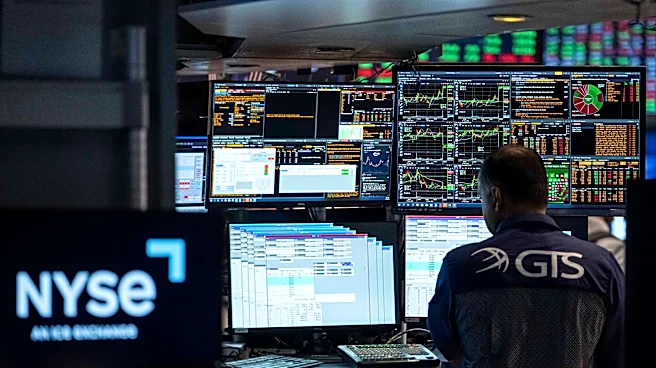
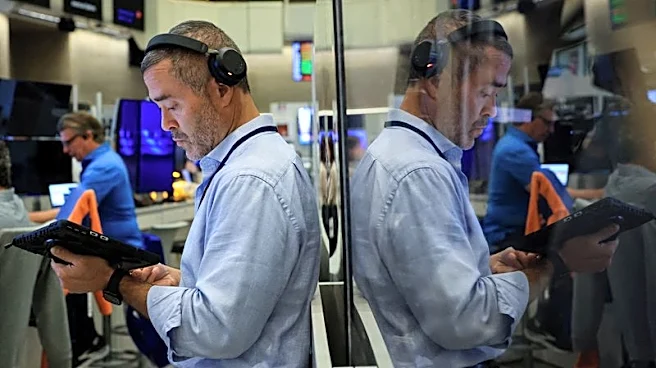
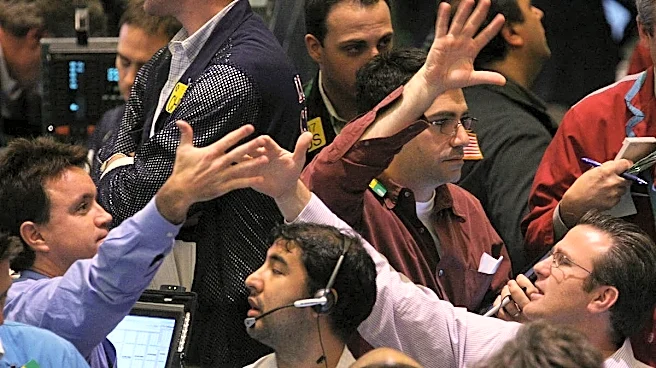
On Wednesday, the S&P 500 index fell 0.5%. The Dow Jones Industrial Average dropped 0.8%, and the Nasdaq composite gave up 0.6%. The indexes are all on track for a weekly loss.
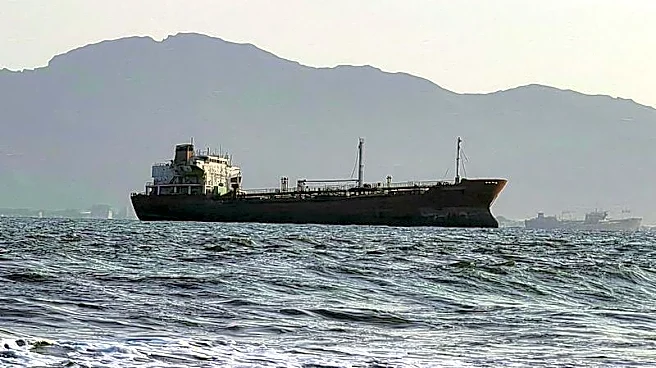
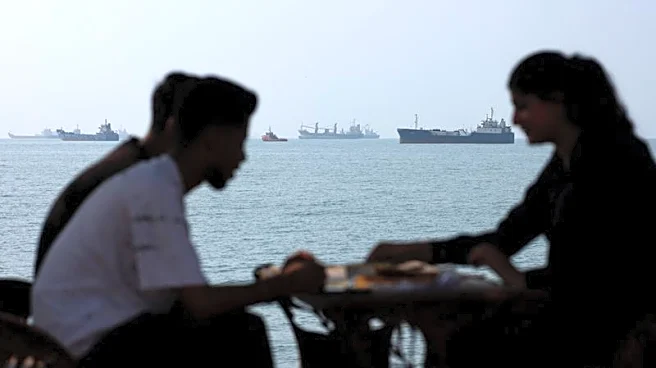
Oil prices drove much of the action on Wall Street. The U.S. destroyed five Iranian tankers on Tuesday in a series of attacks between the two nations. The conflict that began in February has essentially shut down traffic in the Strait of Hormuz, where a fifth of the world’s oil supply passed before the war began.
Retailers were among the companies that pulled the market lower. Amazon fell 1.8%, Starbucks lost 1.9% and Home Depot dropped 1%. Every sector within the benchmark S&P 500 declined except for energy, which rose as oil companies notched gains. Exxon Mobil rose 2.2% and Chevron added 1.9%.
The jump in oil prices over the course of the war has pushed prices for many goods higher. Gasoline prices in the U.S. are up about 32% from a year ago to $4.22 per gallon. Higher fuel costs cut into household budgets directly and also indirectly raise prices for goods because of higher shipping costs.
The price of diesel, which can have an outsized impact on consumers because it is used in shipping and production, hit an all-time high Friday and has continued to climb since. The average price for a gallon reached $5.94 overnight and is now 9 cents higher than it was Friday.
Inflation was already stubbornly high when the U.S. started its war against Iran because of the U.S. trade war with much of the world.
An update on wholesale prices is due later Thursday with the release of the Producer Price Index for August. It measures the prices businesses pay for goods before they reach customers. That report will be followed up Friday with the release of the Consumer Price Index, or CPI, for August, which shows the more direct price impact for households.
The latest reports are expected to show that the rate of inflation remains above 3%, above the Federal Reserve's target rate of 2%.
Elsewhere on Wall Street, shares of Meta Platforms rose 6.6% as the parent company of Instagram and Facebook launched a personal artificial intelligence agent, Muse, for people 18 and over who are looking for help with day-to-day tasks like schedules and shopping.
Rising Treasury yields in the bond market were also weighing down stocks on Wall Street Wednesday.
The U.S. Treasury Department said Wednesday that it would buy back up to $6 billion in long-term debt. That follows an announcement in August previewing plans for an unusually large buyback in an effort to contain rising yields, which make it more expensive for U.S. companies to borrow money and also weigh down other investments, such as stocks.
Bond yields were holding steady prior to the announcement, but gained ground shortly after.
In other dealings early Thursday, the U.S. dollar fell to 153.42 Japanese yen from 153.54 yen. The euro rose to $1.1640 from $1.1632.
___
AP Business Writers Damian J. Troise and Michelle Chapman in New York, and Alex Veiga in Los Angeles, contributed to this report.