




MCKINNEY, Texas (AP) — A Texas teenager who fatally stabbed a 17-year-old track athlete from a rival team during a competition was convicted of murder Tuesday in a trial that drew attention far beyond the booming Dallas suburb where the two students attended different high schools.
A jury rejected Karmelo Anthony’s claims of self-defense during a confrontation with Austin Metcalf in stadium bleachers last year. Most people who testified were students
who described a heated exchange over Anthony's refusal to leave a tent that belonged to the team from Memorial High School in Frisco.
Anthony, now 19, faces up to life in prison after a brief sentencing hearing in which his mother was the only witness. His lawyer had an arm around him when the guilty verdict was announced.
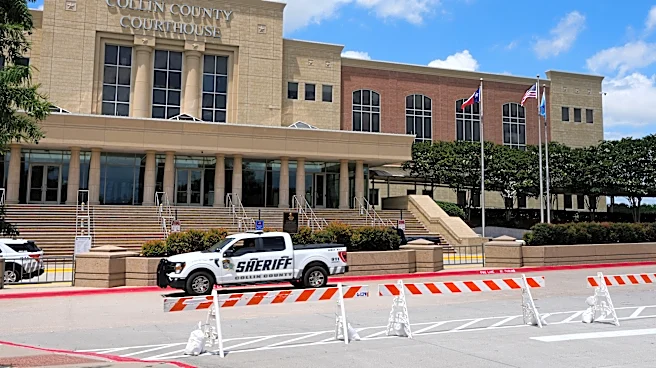
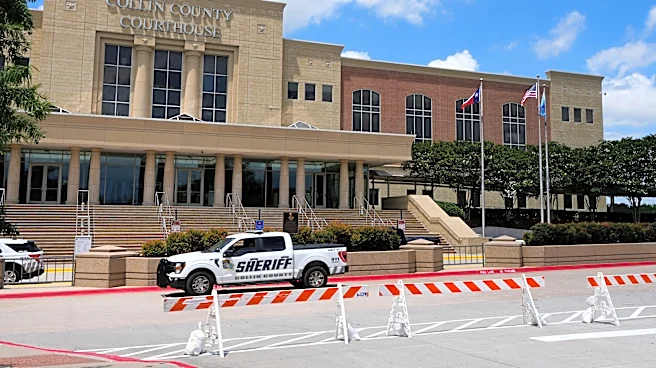
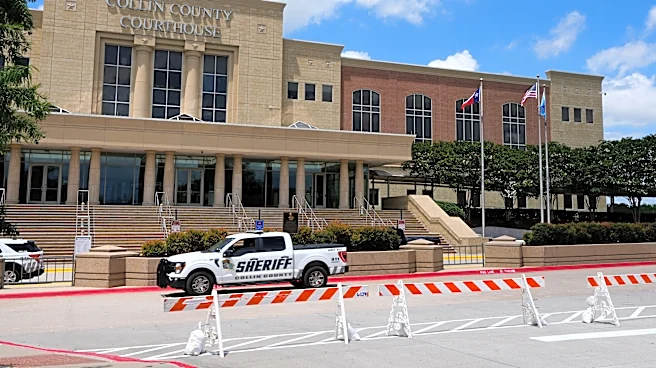
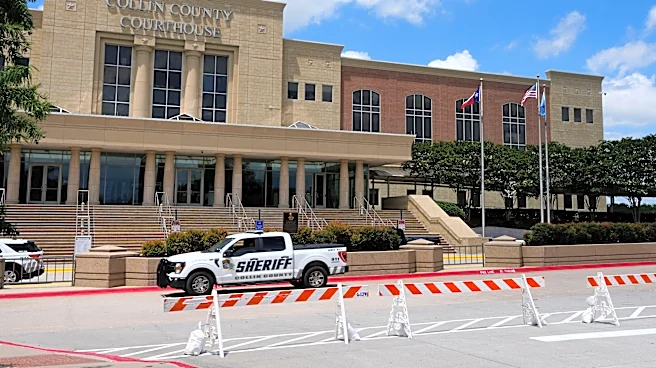
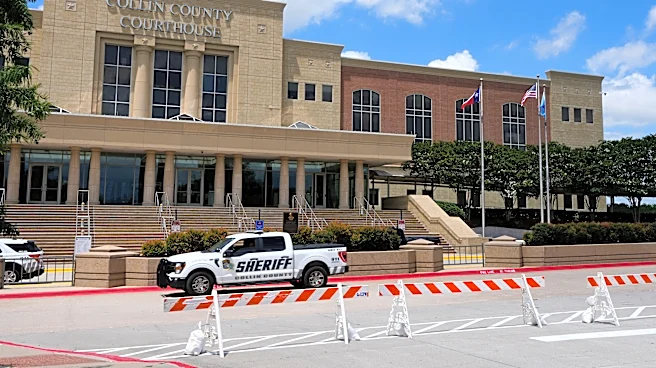
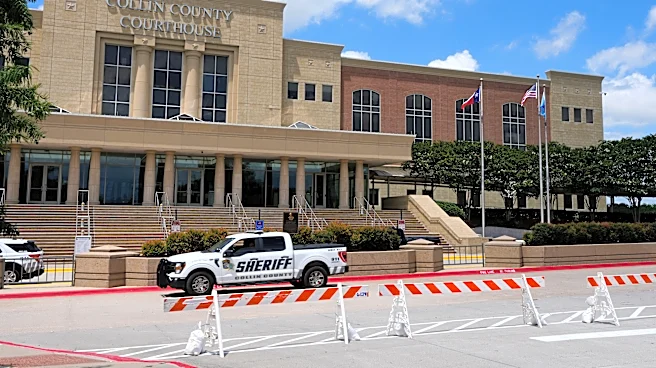
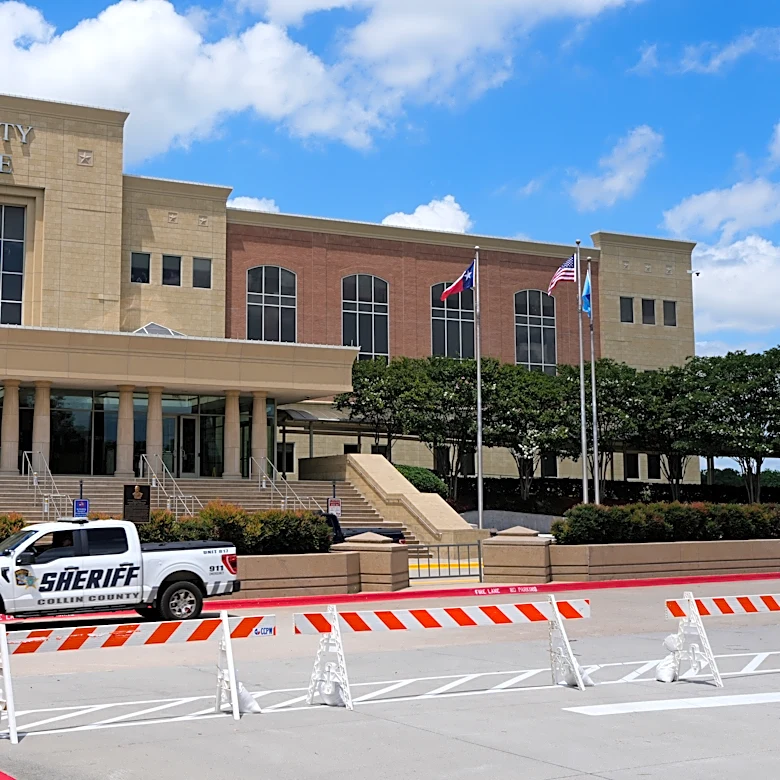
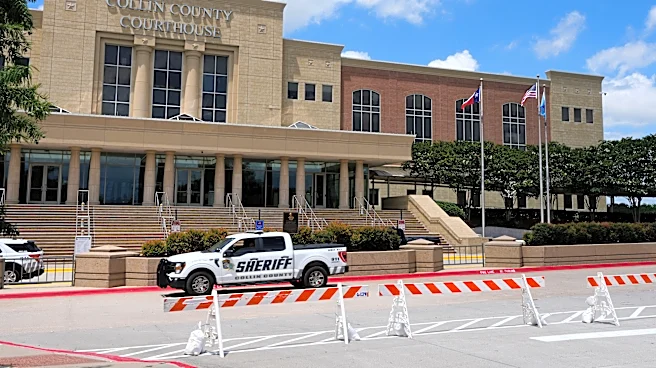
As police officers watched, dozens of people stood outside the courthouse in 90 degree Fahrenheit heat (32 degrees Celsius) to await the verdict. There were wails of grief from one woman — “This isn’t real!” — when the result began to spread.
Earlier Tuesday, jurors heard dueling narratives from prosecutor Bill Wirskye and defense attorney Mike Howard.
Several schools were competing on a rainy April day when Anthony sat under the Memorial High tent that was perched in the bleachers. Metcalf and others had repeatedly told Anthony to leave, witnesses testified, leading to an escalating confrontation.
Howard told jurors that Metcalf had “no legal right to put his hands on Karmelo.”
“Texas law does not require that you wait until you get hit,” Howard said. “In that split second of chaos, you must put yourself in his shoes.”
During the nearly weeklong trial, prosecutors said that Anthony provoked Metcalf, and witnesses have testified that Anthony was the aggressor.
“This is not self-defense, folks. It’s murder plain and simple,” Wirskye told jurors during his closing argument.
Anthony at one point reached inside a bag and replied: “Touch me and see what happens,” according to a police report.
Metcalf pushed Anthony, according to witnesses, who said Anthony reacted by pulling out a knife and stabbing him in the chest.
“You don’t get to meet a shove with a stab, especially if you provoke the shove,” Wirskye said.
The prosecutor also made a broader pitch to the jury: “Ultimately, this case is about accountability. What kind of community do you want to live in.”
Howard noted that Metcalf and Anthony did not know each other. He said Anthony “had absolutely no motive, other than that he felt he was in danger.”
Anthony did not testify and explain his version of what happened that day.
The trial drew lines of spectators hoping to find seats in the gallery and unfolded amid heavy security at the Collin County courthouse. Frisco is one of Texas’ fastest-growing cities that is dotted with dozens of modern school campuses and gleaming athletic facilities.
Several students testified that Metcalf, after ordering Anthony to leave his team’s tent, scoffed before Anthony reached into a bag and pulled out a knife.
One teen recalled Metcalf telling Anthony, “You don’t have anything in that backpack. It’s Frisco.”
Outside attention on the case spread, in part, over social media posts that amplified the killing in racial terms. Anthony is Black; Metcalf was white. Prosecutors and defense attorneys told jurors that the case had nothing to do with race.
The parents of both Anthony and Metcalf have said they were good students who planned to go to college.
____
Associated Press writer Ed White in Detroit contributed to this report.