





SAN SALVADOR (AP) — El Salvador’s President Nayib Bukele announced Wednesday that he had launched a military operation to rescue four Salvadoran aviation technicians kidnapped by gangs in Haiti following an attack Sunday, threatening a more severe attack if they are not released alive and unharmed.
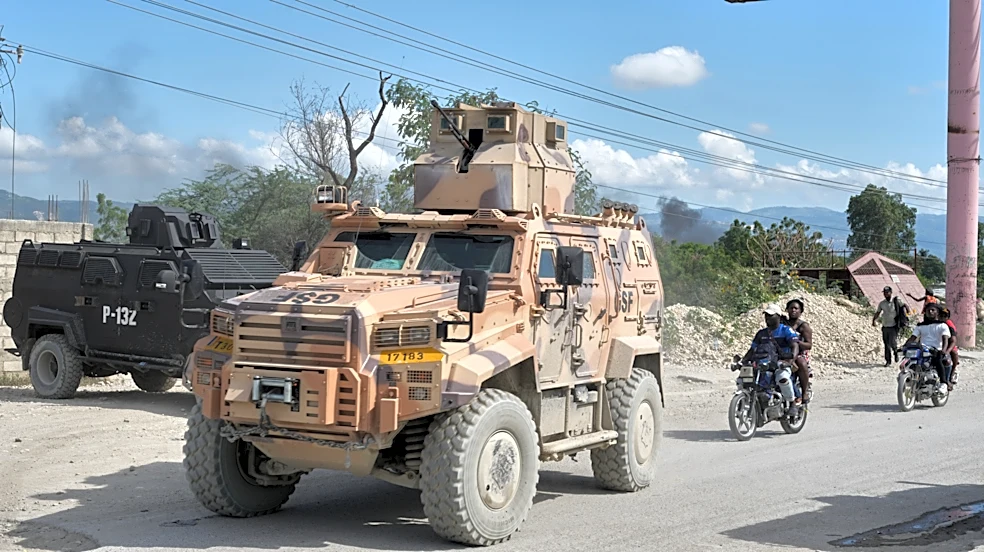
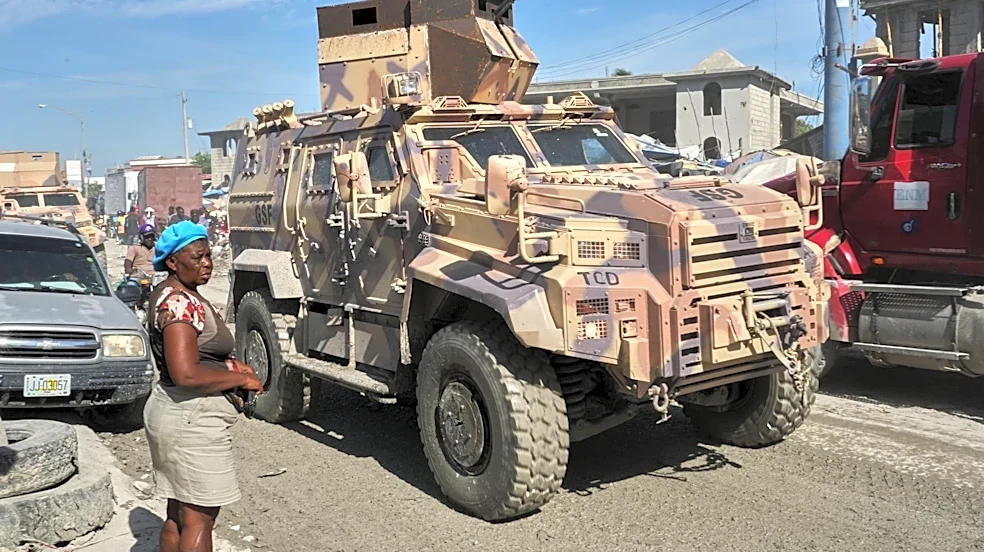
The response from Bukele comes three days after gangs in Haiti opened fire on an armored vehicle over the weekend, marking the first major attack since
an international gang suppression force began operations in the violence-wracked Caribbean country. After fleeing the burning vehicle in the Santo area of Croix-des-Bouquets, Port-au-Prince, the four men were left unaccounted for.
Addressing Haitian gang leaders, Bukele demanded that they return the Salvadorans “alive, unharmed” and warned that, if they do so, “everything will go back to the way it was before the kidnapping.” If not, the Salvadoran leader – who gained an international spotlight for his contentious war on his own country's gangs – said he would launch a more powerful operation.
“Today’s attack is nothing compared to what is coming if they do not release the four hostages alive. And do not take our words as empty threats,” he said.
Bukele explained that the victims are aviation technicians and that the Salvadoran mission “consists only of pilots and technical personnel” whose main job is to carry out medical evacuations, “not to wage war.”
No one has claimed responsibility for the attack on the Salvadoran troops and it comes as Haiti prepares for its first general election in more than a decade. It also showcases the power of the gangs that control an estimated 70% of Port-au-Prince.
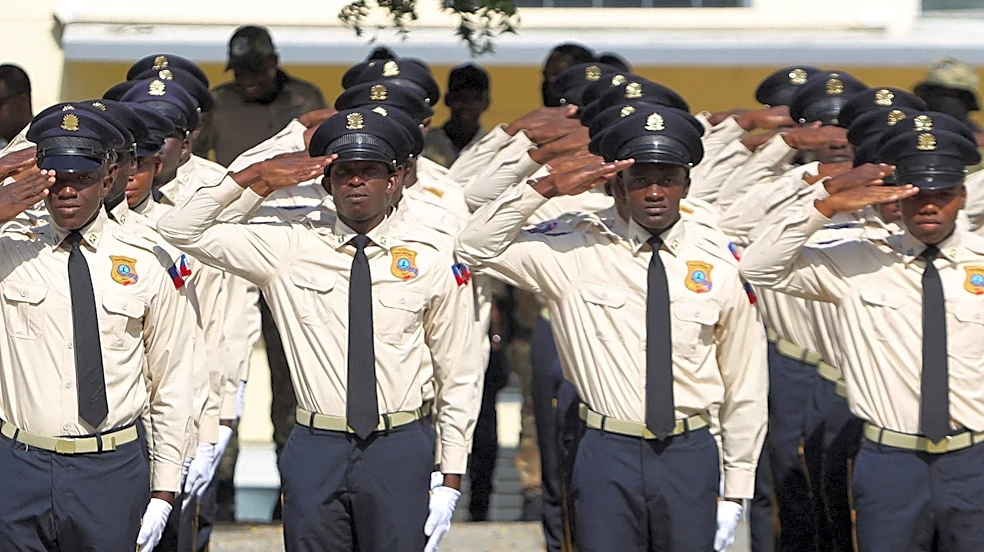
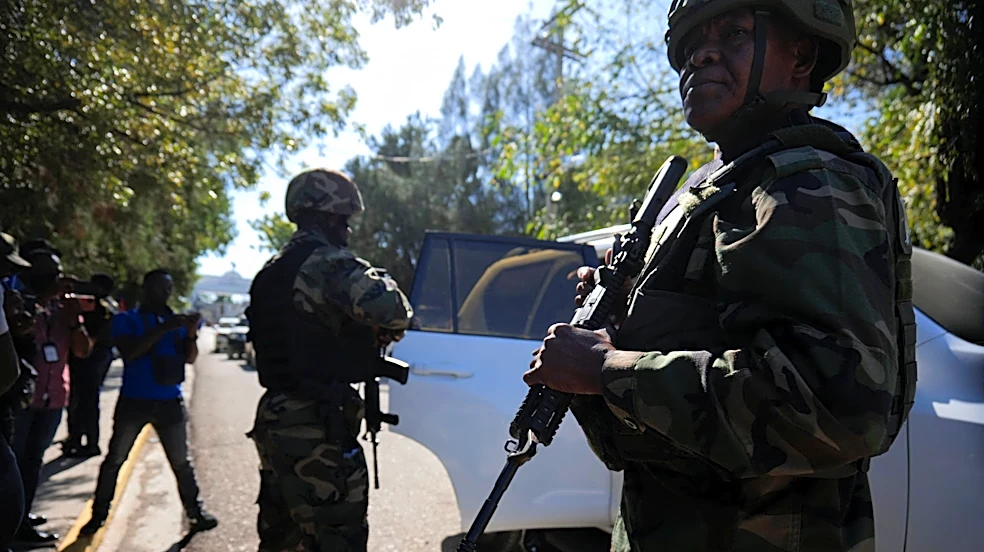
El Salvador is among a number of countries – including Chad, Jamaica and Guatemala – to form a part of a gang suppression force with more than 2,000 troops on the ground in Haiti.
In 2025, El Salvador originally sent 5,550 security personnel and more than 50 civilian staff to dismantle armed gangs,
In early October, El Salvador passed a law extending its armed forces’ participation in the force for a year. The law also authorized the mission to “deploy civilian and military personnel according to the mission’s needs,” expanding its role beyond medical evacuations, as stipulated in the previous decree.
The multinational force received at least a six-month extension through March 2027 from the United Nations Security Council.
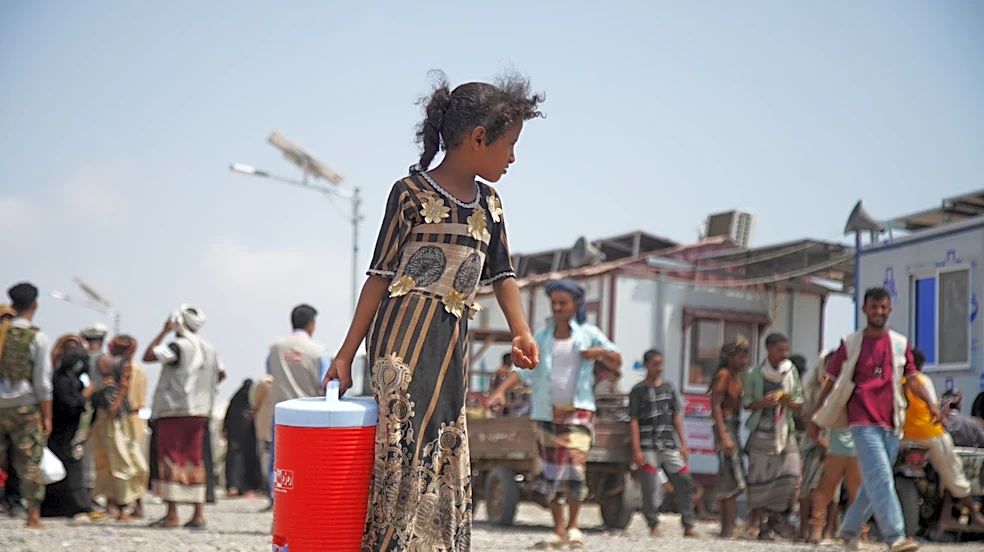
Gang violence has displaced nearly 1.5 million people in Haiti in recent years, with more than 5,700 people killed or injured from January through mid-September and more than 230 people kidnapped, according to the United Nations.
The area where the armored vehicle was targeted is controlled by gangs including Chèn Méchan; Kraze Barye, led by Vitelhomme Innocent; and 400 Mawozo, led by Lanmo Sanjou. Both gang leaders have been sanctioned by the U.N. and the U.S.