




BNEI BRAK, Israel (AP) — In Israel’s recent years of war, the ultra-Orthodox Jewish population has become a central point of friction. A deal made at the country’s creation between political and religious leaders exempted what was then a small number of ultra-Orthodox men from compulsory military service. The act was meant to help Jewish scholars recover from the devastation of the Holocaust.
Since then, the ultra-Orthodox population has become the country’s
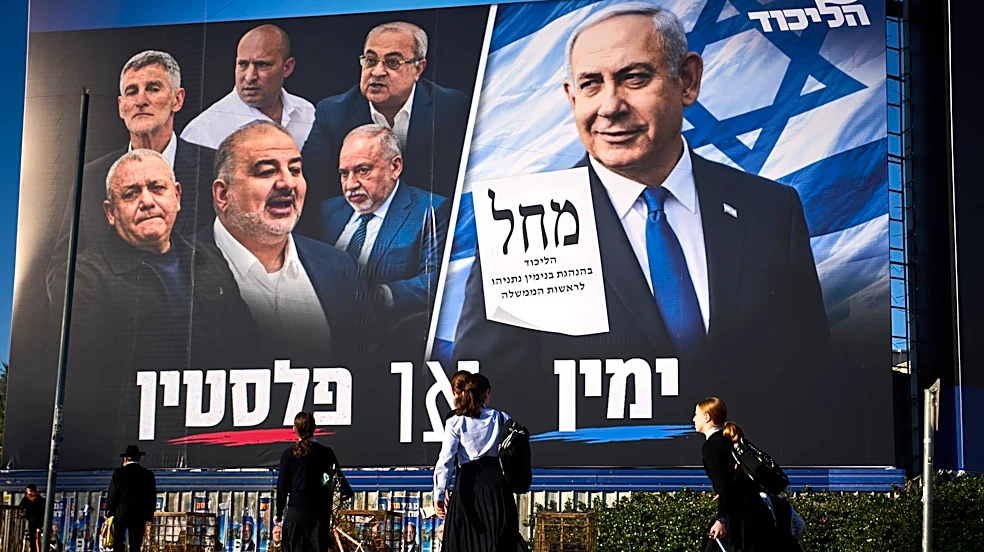
fastest-growing group. The military exemption has grated on many Israelis who send their young men and women off to fight and have seen hundreds killed. The issue could be decisive in Tuesday's close election in which Prime Minister Benjamin Netanyahu relies on the ultra-Orthodox vote.
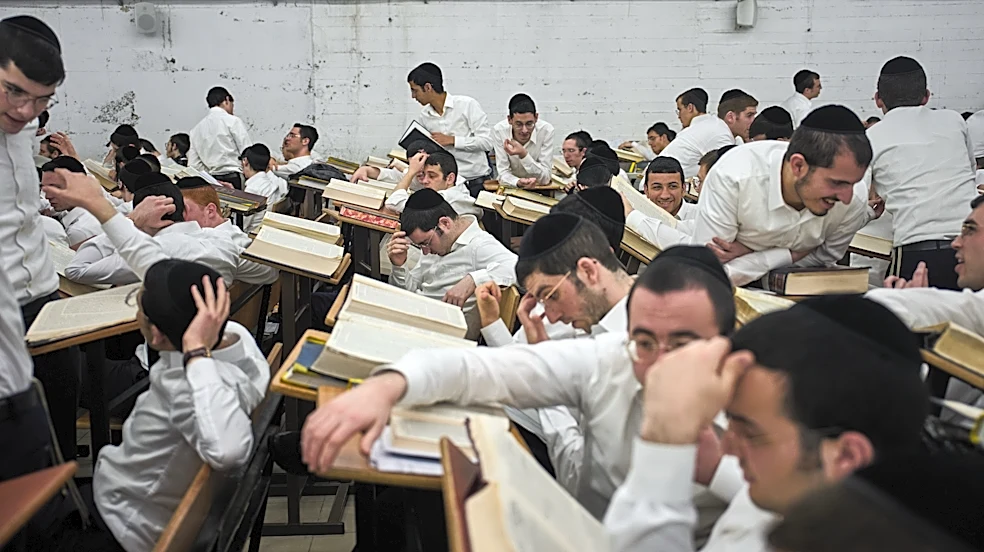
For months, Associated Press photographer Ohad Zwigenberg has documented the lives of ultra-Orthodox students at one of Israel’s most prominent yeshivas, Ponevezh, for a look inside the highly conservative community. As the young men enter the elite seminary, the skyline of Tel Aviv, the symbol of Israeli secular life, spreads out behind them.
The students spend long days and nights studying the Torah and Jewish law and commentary, sharing simple apartments nearby to maintain focus and decompress like anyone else: snacking from vending machines, sometimes smoking, spending summer breaks at the Dead Sea.
It's a world they entered as children and one that trains them for a more complex world ahead, which many hope will lead to a respected position as a rabbi. They fear that leaving for nearly three years of military service would change them.
The students said their studies play an essential role in protecting the Jewish people spiritually and in sustaining the world at large. They say there is no higher duty. That belief is at the heart of a question facing Israel about the responsibilities of its people in service of a nation under threat.
___
This is a documentary photo story curated by AP photo editors.