







MEXICO CITY (AP) — A man dressed head-to-toe in bright orange carefully stacks a dozen cardboard boxes on a luggage cart at Mexico City’s international airport. He is not an ordinary traveler. And these are not ordinary boxes.
They contain body bags.
The man is Germán Bello, a 39-year-old volunteer with the Brigada Internacional de Rescate Topos Azteca, one of Mexico’s best-known civilian search-and-rescue organizations. Founded after the devastating
1985 Mexico City earthquake, the nonprofit brigade operates independently and has earned an international reputation for deploying to major disasters at home and abroad.
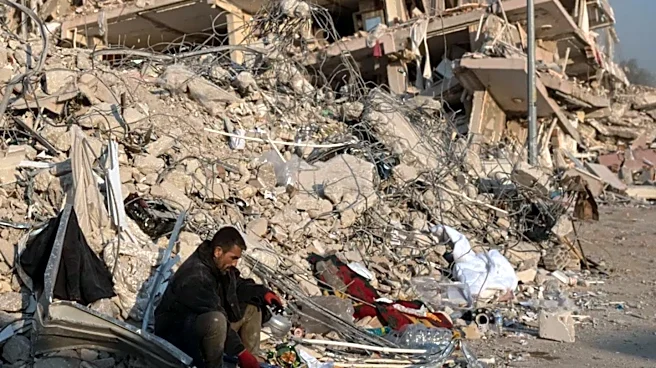
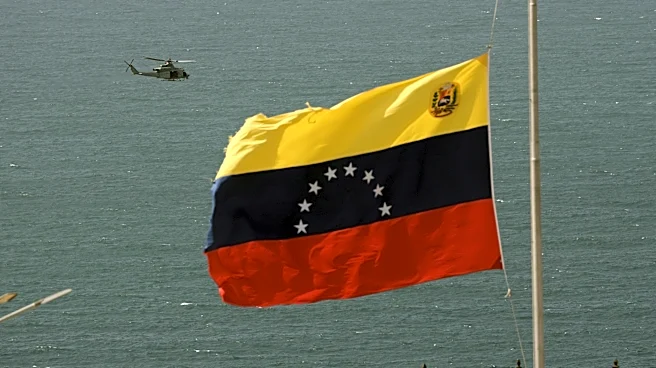
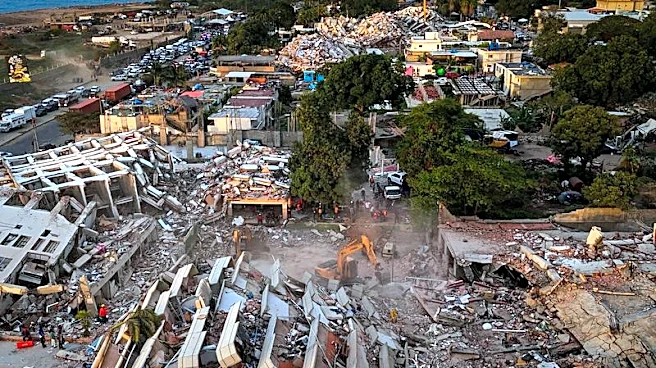
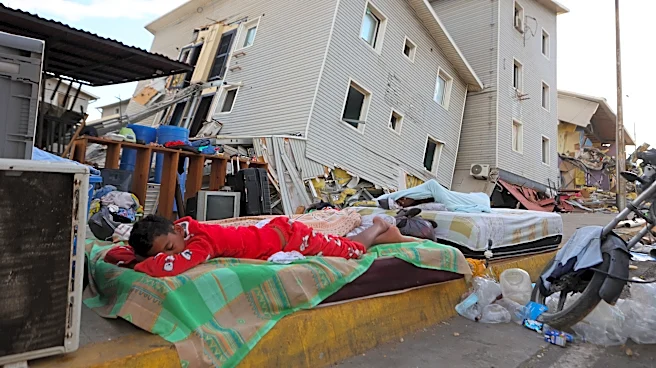
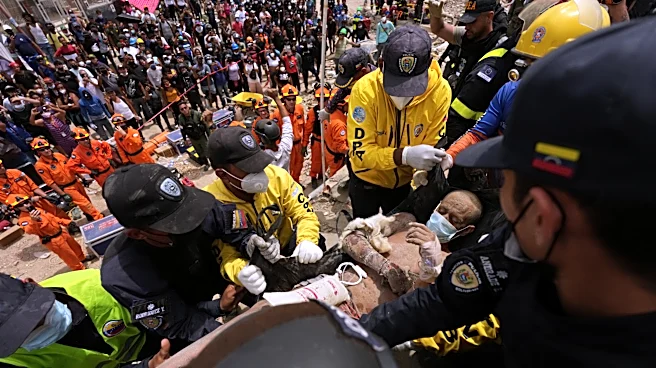
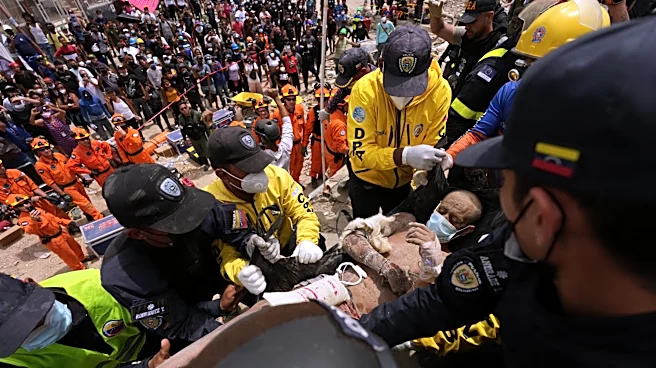
On Tuesday night, Bello was heading into one of Venezuela’s deadliest natural disasters in modern history. Nearly a week after two powerful earthquakes devastated the country’s Caribbean coast, authorities on Wednesday said more than 2,200 people have died and over 11,000 have been injured.
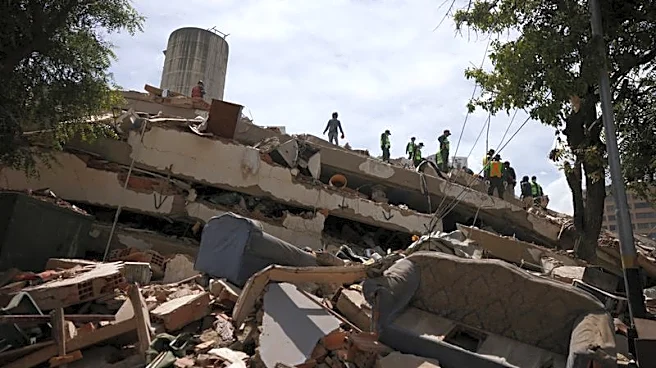
International rescue teams continue searching collapsed apartment buildings and homes in the hardest-hit state of La Guaira, even as hopes of finding more survivors fade and the mission increasingly shifts toward recovery.
Bello does not know when he will return home. Along with rescue gear, he is carrying body bags and other gear that could be used to recover those killed in the earthquakes.
An electrical engineer who owns a small auto repair shop, Bello is known within the brigade as “La Secre” — short for secretary — because he serves as the right-hand man to the group’s founder, veteran rescuer Héctor "El Chino” Méndez.
Méndez, 80, helped organize spontaneous civilian rescue efforts after the 1985 Mexico City earthquake and has led Topos missions around the world for four decades. He is already in La Guaira, helping search for the few survivors who may still be trapped beneath collapsed buildings.
“The hardest part is telling someone that their loved one has died,” Bello said.
Rescuers in his team say they must keep their emotions in check once they reach the disaster zone, where staying focused can mean the difference between life and death.
“There is no hunger, no heat, no sleep,” said volunteer Merry Valencia, who has spent 14 years with the brigade, reciting part of the group’s code of conduct. “There is no fear.”
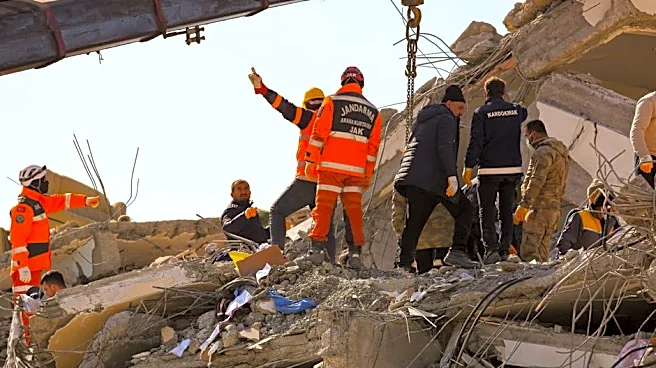
Once they assess the stability of collapsed structures, rescuers split into small teams assigned to different sections of the debris. They crawl through narrow openings and voids inside pancaked buildings — a practice that earned them the nickname “Topos,” or moles. They often use thermal cameras and other specialized equipment to search for signs of life.
Armed with shovels, hand hammers and other tools, they slowly remove rubble, inch by inch, trying to avoid triggering further collapses.
“We are rescue workers from Mexico. If anyone is alive, make some noise or call out now!” a Mexican Army rescuer shouted Saturday as he searched the ruins of a collapsed building in La Guaira.
Moments later, he raised a clenched fist in the air.
The gesture signals an order for complete silence, a search technique that emerged during the 1985 Mexico City earthquake and was later formalized by the Topos. Versions of the protocol are now used by rescue teams around the world.
The signal spreads instantly through the disaster zone. Rescue workers, soldiers, volunteers and journalists will have to stop talking. For several seconds, the only sound is silence.
Rescuers then wait intently for any indication of life, using sensitive microphones, telescopic cameras or simply pressing an ear against the rubble, hoping to detect a voice, a knock or the faintest movement.
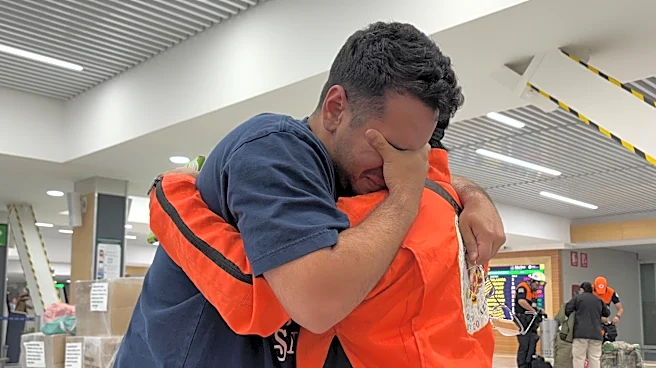
Back at the airport in Mexico City, a young man wearing glasses approaches Bello after learning he is headed to Venezuela. He asks whether Bello and his colleague are part of the rescue mission.
When Bello says yes, the man breaks down in tears.
“Thank you for going. My family is in Caracas,” Venezuelan engineer Diego Bejarano says.
Bello hugs him tightly. It is likely the first of many embraces in the days ahead, as he joins other international rescue teams in Venezuela’s disaster zone.
After Bejarano walks away, Bello wipes tears from his eyes and explains why he keeps volunteering for missions like this.
“That’s my reward,” he says. “Being able to give someone a little hope.”
___
Arráez reported from La Guaira, Venezuela.