
A transfer portal spiraling out of control prompted the new regulatory body for college sports to issue a memo to athletic directors Friday night saying it has “serious concerns” about some of the multimillion-dollar
contracts being offered to players.
The “reminder” from the College Sports Commission came out about an hour before kickoff of the semifinal between Indiana and Oregon in a College Football Playoff that has shared headlines with news of players signing seven-figure deals to move or, in some cases, stay where they are.
The CSC reminded the ADs that, according to the rules, third-party deals to use players' name, image and likeness “are evaluated at the time of entry in NIL Go, not before, and each deal is evaluated on its own merits.”
"Without prejudging any particular deal, the CSC has serious concerns about some of the deal terms being contemplated and the consequences of those deals for the parties involved," the memo said.
Under terms of the House settlement that dictated the rules for NIL payments, schools can share revenue with their players directly from a pool of $20.5 million. Third-party deals, often arranged by businesses created to back the schools, are being used as workarounds this so-called salary cap.
The CSC, through its NIL Go portal, is supposed to evaluate those deals to make sure they are for a valid business purpose and fall within a fair range of compensation for the services being provided.
The CSC did not list examples of unapproved contracts, but college football has seen its share of seven-figure deals luring players to new schools since the transfer portal opened on Jan. 2.
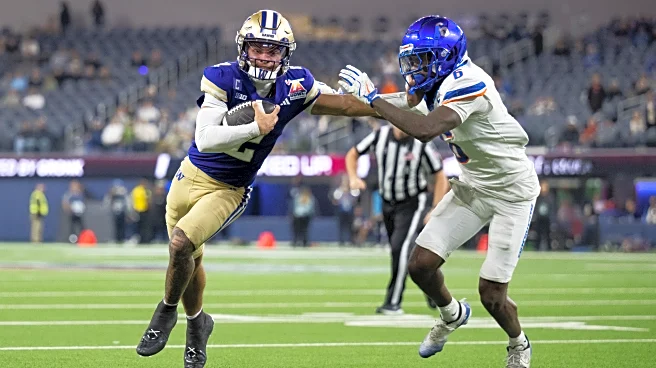
One high-profile case involved Washington quarterback Demond Williams Jr., who initially sought to enter the transfer portal and turn his back on a reported deal worth $4 million with the Huskies. Legal threats ensued and Williams changed course and stayed at Washington.
"Making promises of third-party NIL money now and figuring out how to honor those promises later leaves student-athletes vulnerable to deals not being cleared, promises not being able to be kept, and eligibility being placed at risk," the CSC letter said.
The commission listed two rules about contracts it evaluates, some of which have been termed “agency agreement” or “services agreement” in what look like attempts to bypass the rules.
—"The label on the contract does not change the analysis; if an entity is agreeing to pay a student-athlete for their NIL, the agreement must be reported to NIL Go within the reporting deadline."
—"An NIL agreement or payment with an associated entity or individual ... must include direct activation of the student-athlete’s NIL rights." This is a reference to the practice of “warehousing” NIL rights by paying first, then deciding how to use them later.
___
Get poll alerts and updates on the AP Top 25 throughout the season. Sign up here and here (AP News mobile app). AP college football: https://apnews.com/hub/ap-top-25-college-football-poll and https://apnews.com/hub/college-football