








WASHINGTON (AP) — Defense Secretary Pete Hegseth faced questions and protests Tuesday over the U.S. war with Iran, which he estimated has cost $37.5 billion so far, as Republicans prepare a $95 billion GOP budget package to fund the military, along with other White House priorities.
Hegseth provided the new estimate, up from earlier assessments, during a fiery hearing at the Senate Appropriations Committee. Several times, protesters interrupted Hegseth's
opening remarks, which came days after the Pentagon announced that three more American service members have died in the conflict, bringing the death toll to 17, and that more than 100 have been injured since early July.
Hegseth said the supplemental war funding is an “urgent, necessary” injection of money, and with President Donald Trump's proposed $1.5 trillion defense budget a generational investment in the military.
“Without these funds, we face critical shortfalls,” Hegseth testified.
But Sen. Patty Murray, the top Democrat on the panel, warned of "another forever war.”
“This war is now spiraling out of control again,” Murray said in her opening remarks.
Trump “has told us over 40 times now that a deal is near, and the war will be over soon," she said. "But now, he’s asking for $70 billion more — and for us to just trust him it’ll all work out fine.”
Gen. Dan Caine, chairman of the Joint Chiefs of Staff, and Agriculture Secretary Brooke Rollins were also testifying before the panel. The proposed budget package includes $60 billion and $12 billion for other national security needs, along with $10 billion for farm aid and $10 billion for voting law changes.
Before the hearing, the White House issued a statement urging support of the budget resolution, “without modification—immediately.”
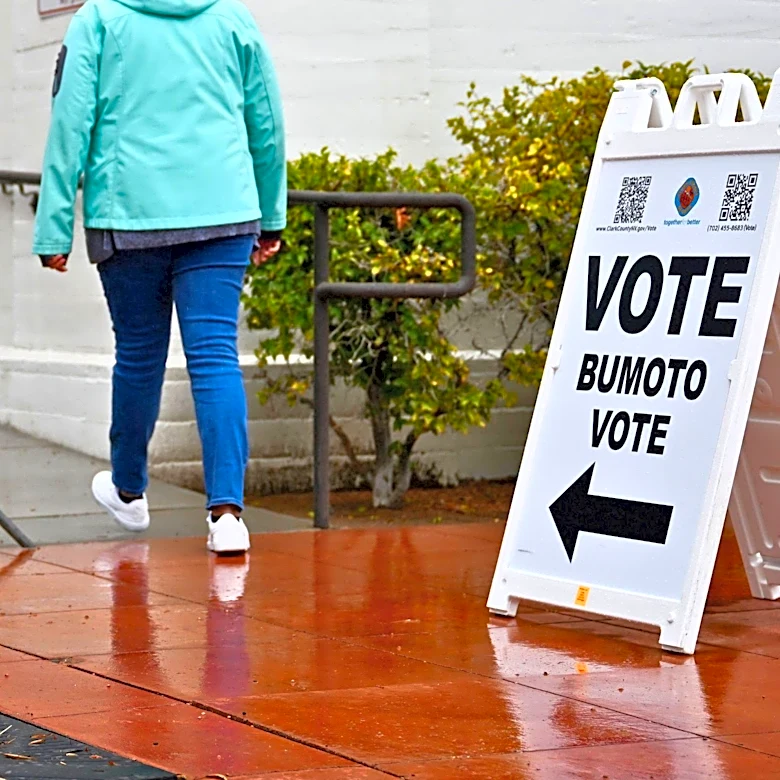
War funding makes up the bulk of the GOP's new budget proposal, one last priority package the Republicans hope to launch before lawmakers recess to campaign for the midterm elections that will determine control of Congress. The package aims to help farmers struggling under Trump's tariffs and to pay for voter law changes that are likely to include new ID requirements, none of it paid for with offsets.
Most Americans continue to disapprove of how Trump is handling Iran, according to an AP-NORC poll. Gas prices have spiked as Iran works to control oil shipments through the Strait of Hormuz, U.S. munitions are running low from the onslaught of American missile strikes and Trump has shifted away from his own campaign promise not to draw the U.S. into prolonged military conflicts.
Nevertheless, Trump has showed no signs of backing off the war, and the Republicans have largely refused to confront his strategy, question his objectives or use Congress' power of the purse or war powers authority to halt the conflict.
“The commander in chief and the whole Department of War are working very hard to bring this to a resolution,” said House Speaker Mike Johnson at his weekly press conference Tuesday.
Trump, in a social media post at the start of the week, asked all House Republicans to vote for the budget resolution.
Hegseth appeared before the panel facing a torrent of questions about not only the war, but his own leadership of the department.
Sen. Susan Collins, the Republican chair of the committee, opened the hearing saying it's “deeply troubling” that the Pentagon has blocked or denied promotions to various officers, particularly women and minorities.
“This is likely to discourage well-qualified women and individuals of color from joining our armed forces, thus depriving us of their talent, dedication and patriotism,” Collins said.
Sen. Jeanne Shaheen of New Hampshire questioned why Hegseth is asking for more money when the department has not yet spent about half the $150 billion Republicans provided the Pentagon in last year's big budget bill.
“If you still have $75 billion available, why are you asking the American people to absorb the cost of a war they don't support?” asked Shaheen, who is also the top Democrat on the Foreign Relations Committee.
When Hegseth started describing the “historic nature” of Trump's military strategy, she cut him off.
Hegseth later explained that the rest of last year's budget package would be spent by September, which is the end of this fiscal year.
Republican Sen. John Kennedy of Louisiana was among several senators demanding answers over the situation in the Strait of Hormuz, asking if Iran will impose tolls on what historically has been an open waterway vital to the flow of oil.
Caine said, “That’s a hypothetical question, and I don’t know the answer to that.”
But Kennedy retorted: “Guys, we need straight answers.”
This week, the Senate will consider another war powers resolution, having voted nearly a dozen times to try to halt the conflict. The House has approved a war powers resolution limiting Trump’s ability to wage war, with a few Republicans joining the Democrats to pass the measure, but no resolution has cleared both chambers to be sent to the president's desk.
The GOP budget proposal is expected to flow through the reconciliation process, which enables the majority to approve the plan on its own, over the objections of Democrats in the minority.
It's the same lengthy process Republicans used to approve Trump's big tax cuts bill last summer, as well as Homeland Security money earlier this year.
The proposal is headed toward a House vote this week, which would start the process by instructing various committees to begin drafting the legislation. Johnson can afford only a few defectors from his slim majority.
So far one Republican, Rep. Warren Davidson of Ohio, has objected to the budget plan, warning it will pile on to deficits because the new funding is not being offset with spending reductions elsewhere. Other conservative Republicans share those concerns.
GOP senators have so far panned the House budget plan, but are waiting to see if Johnson can kickstart the process with this week's voting.
___
Associated Press writers Matt Brown and Ben Finley contributed to this report.