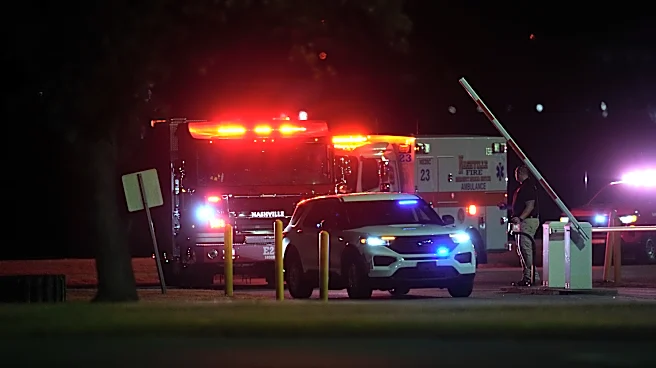




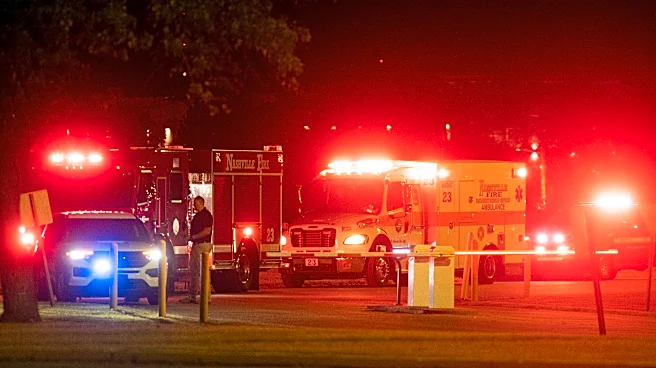

NASHVILLE, Tenn. (AP) — Emergency help for Christa Pike was delayed by confusion among first responders and Tennessee prison officials following her failed lethal injection last month, according to 911 dispatch recordings reviewed by The Associated Press.
The recordings show that precious minutes elapsed as officials and responders tried to figure out whether a request for emergency help in the execution chamber was legitimate. The first call came
in at 8:40 p.m. on Sept. 30, and it was about a half an hour before prison officials affirmed it was legitimate and began letting responders through the prison gates.
“Per supervisors here at the DEC (Department of Emergency Communications) we have been informed it is a false call,” one unidentified person says at 9:03 p.m. “There is no medical assistance needed at Riverbend Prison.”
Four minutes later, a responder reported: “Somebody is outside the gate at the prison telling us that it’s real and demanding us to go in. They say they are some sort of state official. I need somebody to get out to the gate and talk to those people.”
It wasn’t until 9:11 p.m. that prison officials affirmed the call for help was legitimate, the calls show.
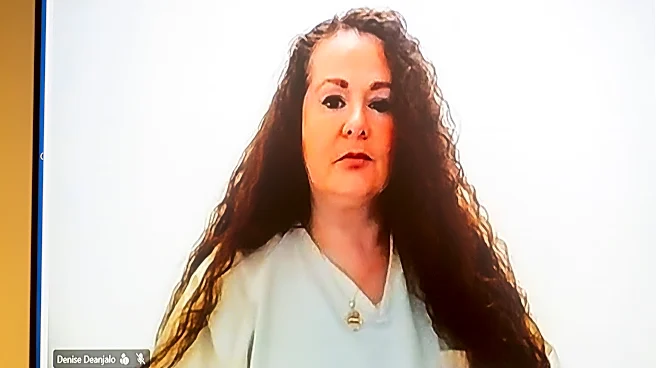
Pike, 50, was hospitalized after surviving two doses of pentobarbital as the state attempted to execute her for the 1995 beating and stabbing death of classmate Colleen Slemmer. At one point, Pike was on a ventilator and her attorneys did not expect her to survive. However, they said Pike woke up and began talking and walking with assistance, and she has since been discharged and is back at the Debra K. Johnson Rehabilitation Center, the women’s prison where she was housed for 30 years.
The Tennessee Department of Correction has not said what went wrong in the attempted execution. Medical and lethal injection experts have focused on whether a problem with the IV line caused the drug to pool in her tissue instead of entering her bloodstream.
___
Johnson reported from Seattle and Schoenbaum from Salt Lake City.