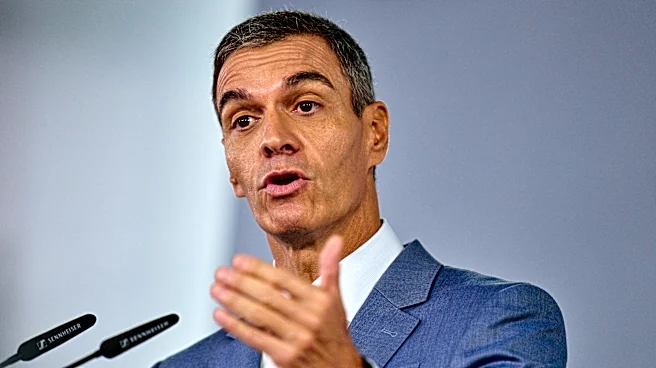

BARCELONA, Spain (AP) — Spanish Prime Minister Pedro Sánchez 's political career has been marked by close calls. And, once again, he has decided to roll the dice.
One of the longest-serving progressive leaders in Europe and an outspoken critic of U.S. President Donald Trump, Sánchez called for early elections on Monday in hopes of tapping into public rage
over the nation’s housing affordability crunch.But his opponents have been eager to pounce on a leader
whose support has fallen. Spain has seen an emerging coalition of the conservatives and the far right, which are both aiming to use migration concerns against the prime minister whose government allowed over 1 million immigrants to apply for legal status.
Here’s what you need to know looking toward Spain’s elections on Nov. 29:
Polling for several months has indicated that Sánchez's 8-year spell in office may be coming to an end.
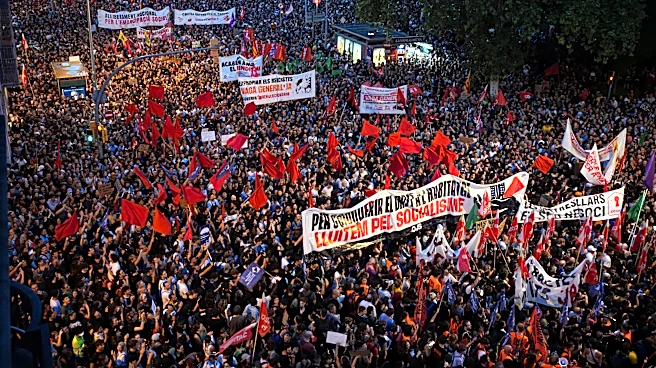
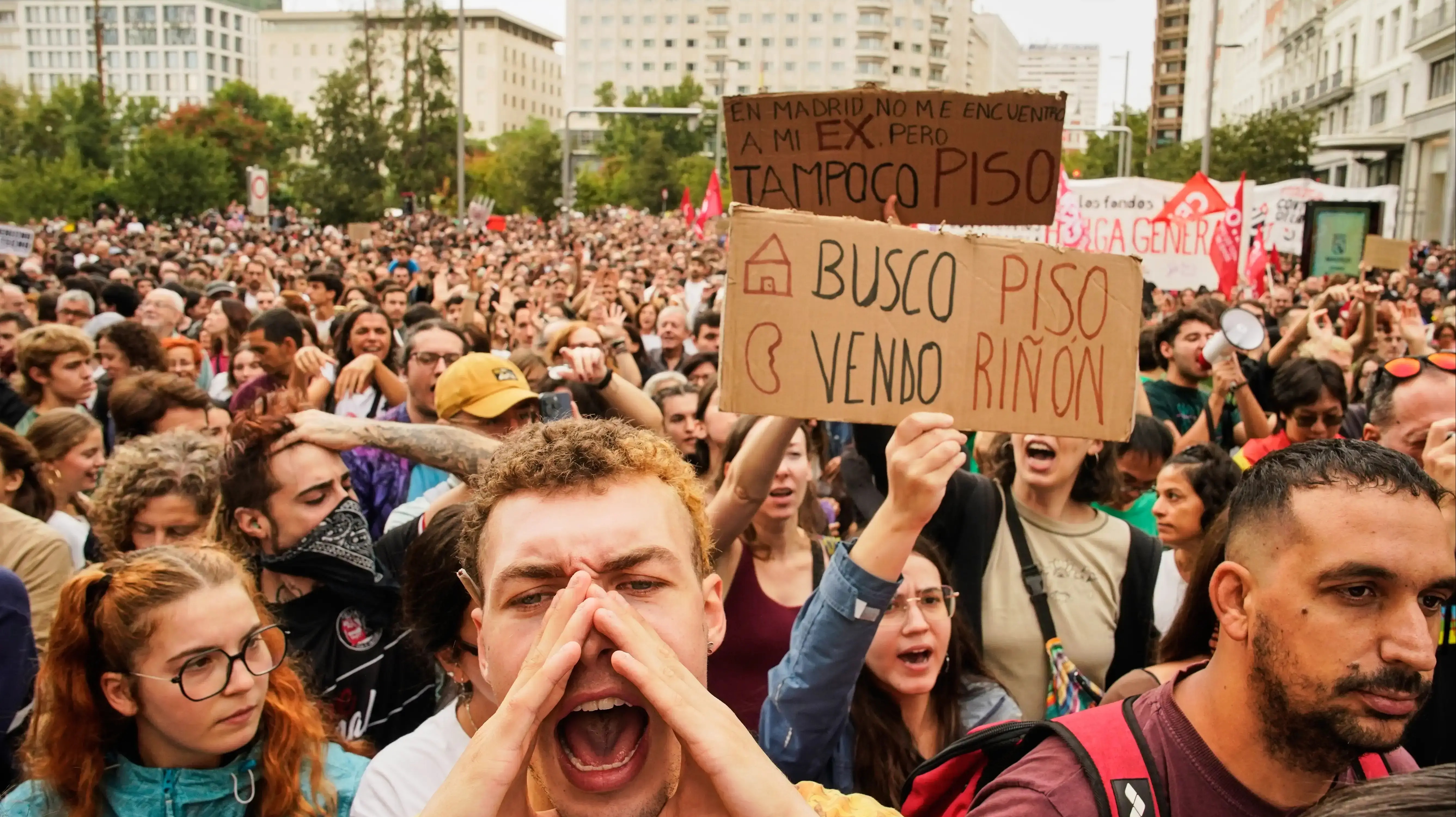
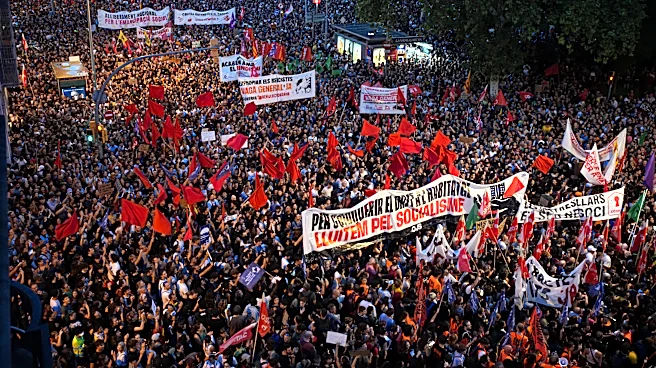
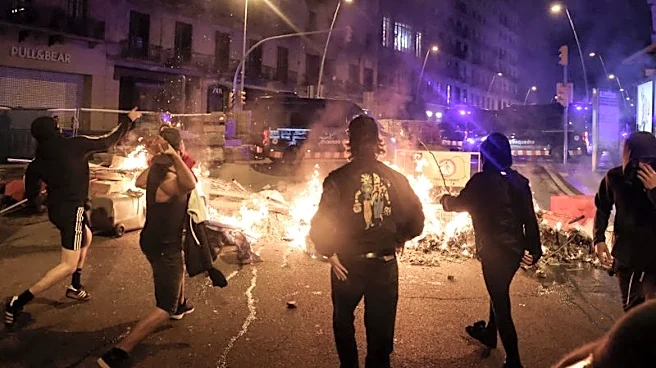
But Spanish politics were upended last month by the eviction of an 87-year-old woman in Madrid which set off huge street protests in the capital and other cities.
The televised eviction gave Sánchez an opportunity, analysts say, to make the election about this one social issue that impacts the household budgets and quality of life of millions.
But that could also backfire, since many of the measures the left wants to implement to stop evictions and curb real estate speculation could scare homeowners, former conservative politician and political analyst Montserrat Nebrera told The Associated Press.
“We need to remember that the base of voters, both for the conservatives but also for the Socialists, are older and what we could call ‘Boomers,’ which were able to not just buy a home for themselves but also in many cases buy a second home that they now rent to supplement their pensions or leave to their children,” Nebrera said. “I don’t know how favorably they would see the measures the Socialists want to enact.”
When the housing issue erupted, Sánchez’s government had been struggling to account for why it had been caught off-guard when tens of thousands of Moroccans streamed across the border into Spain’s tiny north African territory of Ceuta in July.
The leading opposition Popular Party, Spain’s conservatives, and the far-right Vox pounced on influx of migrants, calling it an “invasion.”
Alejandro Quiroga, professor of political science at Madrid’s Complutense University, said that he expects the Popular Party and Vox to campaign on immigration as well as their characterization of Sánchez as a power-hungry leader supported, his opponents alleged, by a corrupt inner circle and party machine. Sánchez has called these attacks mudslinging.
“I think that right now they are going to try to ride the polls and concentrate on demonizing the figure of Sánchez,” Quiroga said.
Sánchez’s party, including former Prime Minister José Luis Rodríguez Zapatero, and Sánchez’s wife and brother, are all facing different legal cases. They deny wrongdoing, but the cases are no doubt a political liability for Sánchez
In 2023, Sánchez managed to beat the polling forecasts by rallying his voters on fears of what Vox, which rails against migration and feminism and denies climate change, could do if in power.
But Quiroga believes that this time voters have normalized to a certain degree the presence of Vox, which has entered into coalition governments with the Popular Party in some regions of Spain.
“It’s crying wolf now for voters,” Quiroga said.
Sánchez is no stranger to gambits aimed at either saving his hide or strengthening his position.
“We have seen so many times how Pedro Sánchez is declared to be practically dead, to be politically finished, only for him to resurge like a phoenix from the ashes,” Nebrera said.
For starters, in 2016 his young career looked to be over after being ousted as the Socialists’ general secretary over strategy disputes when in opposition, but he toured Spain to drum up support from rank-and-file members and won back his leadership role.
Two years later Sánchez became an unlikely prime minister when he became the first politician to successfully pull off a no-confidence motion to replace the sitting prime minister, a conservative.
Sánchez detailed that resurrection and his rise to prime minister in his 2019 memoir “A Manual of Resistance.”
To stay in power, the 54-year-old Sánchez has had to cobble together minority governments, survive no-confidence votes, close votes over key policies and do the unpredictable.
His greatest electoral feat came in 2023 when, the day after his party was clobbered in regional and municipal elections, he caught his rivals off-guard by calling national elections. Sánchez campaigned relentlessly on the fear that the conservatives would need Vox to govern.
It worked, but even so, he could only secure another term by striking a deal with separatists in the northeastern region of Catalonia, promising an unpopular amnesty for those convicted of participating in a 2017 secession bid.
Sánchez will not only need his Socialists to do well. He will need the parties that are further to the left to also rally since a new coalition is the most probable path to remain in power.
Then there is the role that former Catalan separatist leader Carles Puigdemont could play.
He fled to Belgium after the failed secession bid but on Tuesday his path was cleared to return to Spain without fear of detention when a judge lifted his arrest warrant.
Regarded as a hero by many hardcore Catalan nationalists, Puigdemont is a reviled figure for other Spaniards, and his return is only possible due to Sánchez's policy of reconciliation with the separatists.
“You called elections thinking they would be fought on socio-economic grounds, but here comes Puigdemont and he changes the script,” Oriol Bartomeus, a professor of political science at the Autonomous University of Barcelona, told the AP.
Puigdemont spoke briefly on Tuesday from his Belgian home in Waterloo. He celebrated what he called a victory over Spanish authorities, including Sánchez. He did not reveal his plans for coming back.
___
AP writer Suman Naishadham contributed from Madrid.