





Fall is garden cleanup time, but that doesn’t mean you should turn your property into a barren wasteland.
Leaving certain perennials standing over winter can be beneficial. Others, however, need to go. Similarly, some shrubs should be pruned as they wind down, while cutting others back now could adversely affect their performance next year.
Knowing the appropriate end-of-season care for each plant type in your garden is important for overall plant health,
disease prevention and bloom maximization.
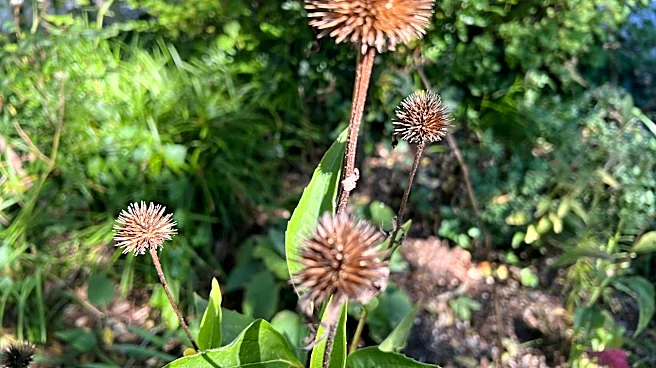
Leave perennials that produce seed heads standing over winter to feed nonmigratory birds and provide shelter for pollinators and beneficial insects.
These include allium, aster, big-leaf lupine, black-eyed Susan, chocolate flower, coneflower, goldenrod, milkweed, rattlesnake master, sneezeweed and trumpet vine, among others.
Most spring-blooming shrubs produce their flowers on “old wood,” which is the prior year’s growth. Cutting them back now would inadvertently remove those burgeoning buds. So avoid trimming azaleas, rhododendrons, forsythia and hydrangeas now. (If any spring-bloomers need pruning to maintain or restore a desirable shape or size, do it no later than two weeks after their spring flowers fade).
Ornamental grasses, too, should be left standing over winter until their spring growth resumes. They provide valuable habitat for overwintering beneficial insects and give you something nice to look at as they sway in winter winds.
Pushing fallen leaves into garden beds will provide even more shelter for those insects, which will pay you back in spring when they attack pests that would otherwise decimate your plants.
Woody or semi-woody perennials, such as Russian sage and lavender, should also be left standing through winter, as their top growth protects their crowns (the juncture where the above-ground part of the plant meets the roots) from frost damage.
Faded hosta foliage is a favorite winter hideaway for overwintering slugs and pests, so cut the plants back to ground level at the end of each growing season.
Similarly, irises harbor borer eggs over winter. Left standing, those eggs will hatch in spring, and the insects will ravage your plants. Cut the plants down now to prevent an infestation next year.
Perennials that are generally susceptible to mildew – regardless of whether they were infected this year — should also be cut down. These include herbaceous peonies, bee balm and phlox.
Also cut down any plants that were diseased this year, and completely clear their beds of fallen leaves and other plant parts that would otherwise infect the soil and, ultimately, next year’s plants. This includes annuals, such as zinnias, which are notorious for contracting powdery mildew.
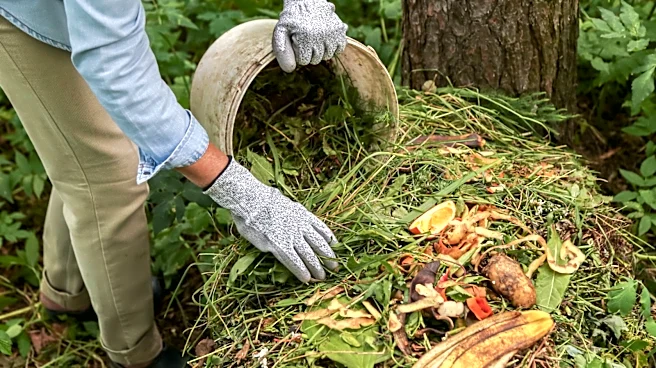
Never add diseased plant parts to the compost bin; discard them in the trash.
Notwithstanding the above guidelines, feel free to remove any individual dead, broken or diseased tree branches or shrub stems at any time of year. Leaving them be would risk the plants’ health, as well as potential injury and property damage if they were to get ripped off during winter storms.
___
Jessica Damiano writes weekly gardening columns for The Associated Press. She publishes the Weekly Dirt Newsletter. Sign up here for weekly gardening tips and advice.
___
For more AP gardening stories, go to https://apnews.com/hub/gardening.