



TERLINGUA, Texas (AP) — A tall steel barrier rises over the brush in Texas' Hudspeth County. Erected in mid-September, it is the first piece of border wall in Texas' Big Bend region, a remote stretch of territory where landowners have mounted a major fight against President Donald Trump's signature infrastructure project.
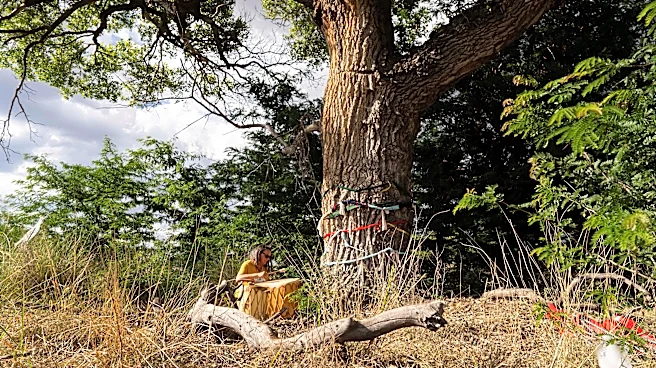
Landowners worry that the wall and other border infrastructure will reshape and disfigure an area that inspires deep devotion for
its rugged beauty, where formidable natural barriers like towering limestone cliffs abut the Rio Grande. They argue the wall is a waste of money when the number of people crossing the border has plummeted. The opposition is bipartisan, scrambling border politics at a pivotal moment before the midterm elections.
The grassroots opposition has taken many forms, from landowners refusing to allow contractors to survey or build on their land to local residents tracking every movement of bulldozers, backhoes and excavators brought in. Some are taking the battle to court.
The Trump administration intends for the border infrastructure project to eventually have a footprint across the entire Big Bend region — part of a $46 billion plan approved by Republicans in Congress to finish the project from the Pacific Ocean to the Gulf of Mexico.
That plan suffered a major setback last week, when a judge paused all wall and border infrastructure-related construction throughout the Big Bend area. Landowners vow to keep up the fight until the project is scrapped entirely. It’s not immediately clear how long the judge’s order will slow the government, which late Thursday asked the judge to put aside her decision while it appeals.
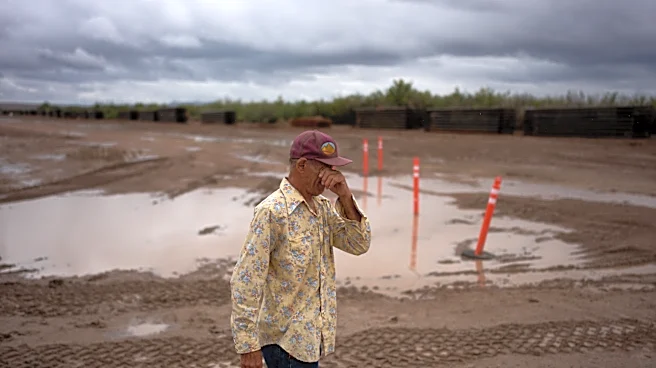
Bill Addington owns property near where the wall is slated to go and has been a vocal opponent of the project. On a recent visit to the first wall panels erected, he became emotional.
“It’s important for me to witness this," he said.
In the tourist town of Terlingua, opponents religiously gather every Saturday morning at the town's main intersection to wave signs against the wall. Business owners have posted notices telling contractors they're not welcome at restaurants and hotels.
Charlie Angell, who runs a tour company, attends every county meeting he can to push council members not to cooperate with contractors. He worries that his livelihood, earned from taking tourists on boat or birdwatching trips along the Rio Grande, will be wrecked once border infrastructure snakes through the region.
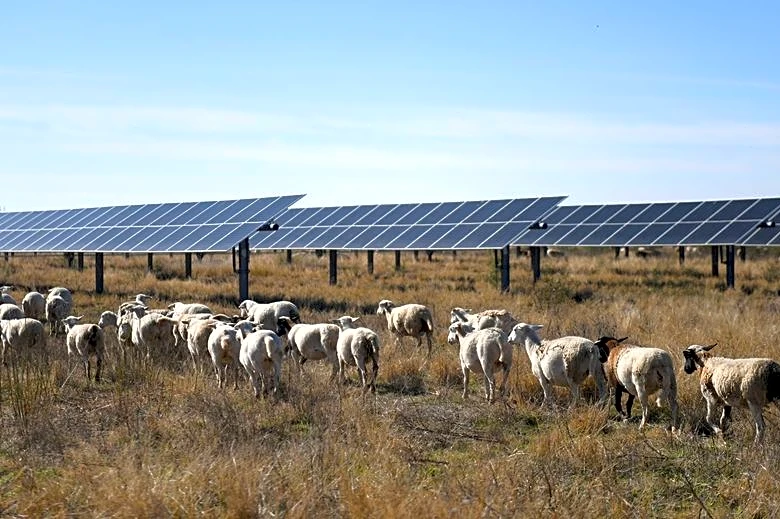
Further down river, through the deep Santa Elena Canyon and into Lake Amistad, Laura Allen has been raising sheep and goats in an area where the government intends to place a vehicle barrier.
She said that the landowners' battle against the administration is a warning sign for the rest of the country.
“We’re a pretty tough bunch,” said Allen. “But if we’re going to be run over and have our land taken by our own government, what makes anybody else in this United States think that they’re exempt?”
___
This is a documentary photo story curated by AP photo editors.