




NEW YORK (AP) — The U.S. stock market is making only hesitant moves, while oil prices are unsettled as mediators try to forge a ceasefire agreement ahead of a deadline that President Donald Trump has set to bomb Iranian power plants. The S&P 500 rose 0.1% in early trading Monday. The index is coming off its first winning week in the last six. The Dow Jones Industrial Average slipped 107 points, and the Nasdaq composite rose 0.4%. Oil prices flipped
between gains and losses as uncertainty continued about what will happen in the war with Iran and how long it will slow the flow of oil and natural gas.
THIS IS A BREAKING NEWS UPDATE. AP’s earlier story follows below.
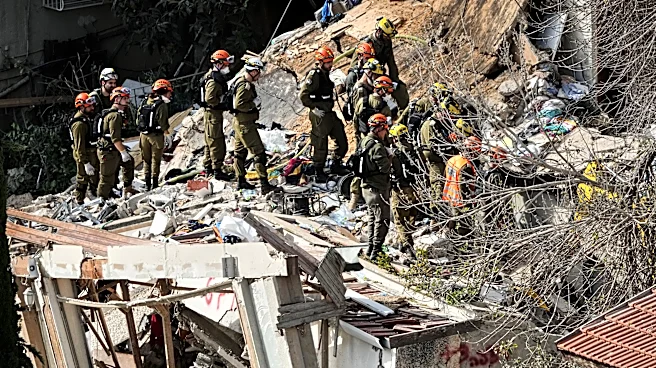
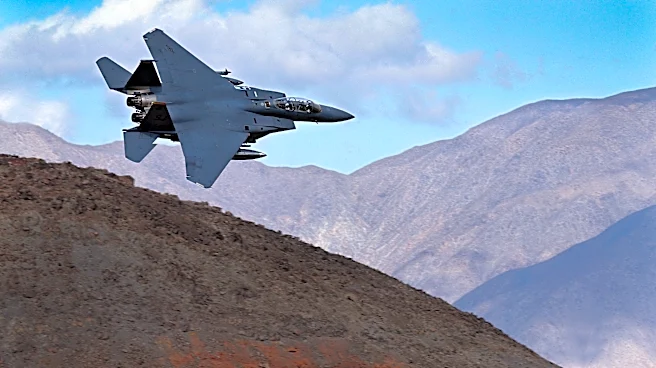
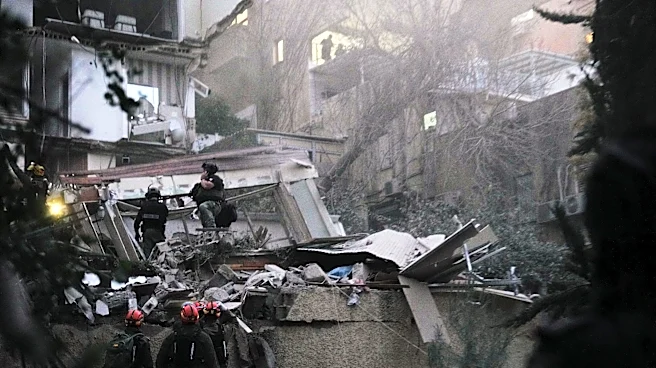
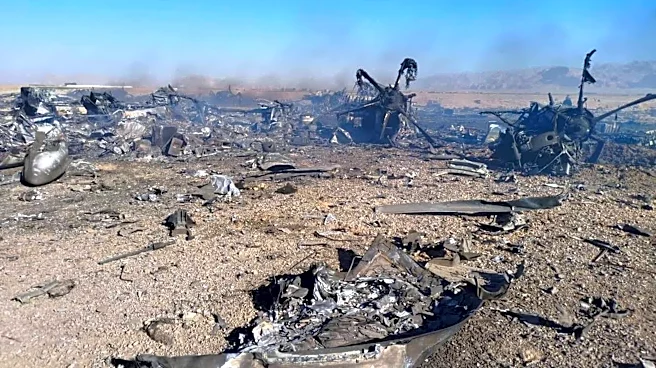
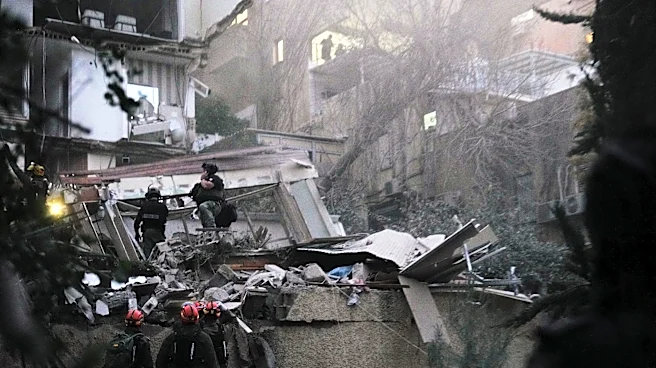
Trading on Wall Street was subdued and oil prices retreated modestly as Israel and the United States carried out a wave of attacks that killed 25 people in Iran on Monday ahead of U.S. President Donald Trump's deadline for Tehran to reopen the Strait of Hormuz.
Futures for the S&P 500 ticked up 0.1%, while futures for the Dow Jones Industrial Average fell 0.2%. Nasdaq futures gained 0.3%.
Iran's South Pars natural gas field was among the targets hit Monday. Iran responded with missile fire on Israel and its Gulf Arab neighbors while mediators circulated a new ceasefire proposal.
Among those killed in one of the attacks on Tehran was the head of intelligence for Iran’s paramilitary Revolutionary Guard, Maj. Gen. Majid Khademi, according to Iranian state media and Israel’s defense minister.
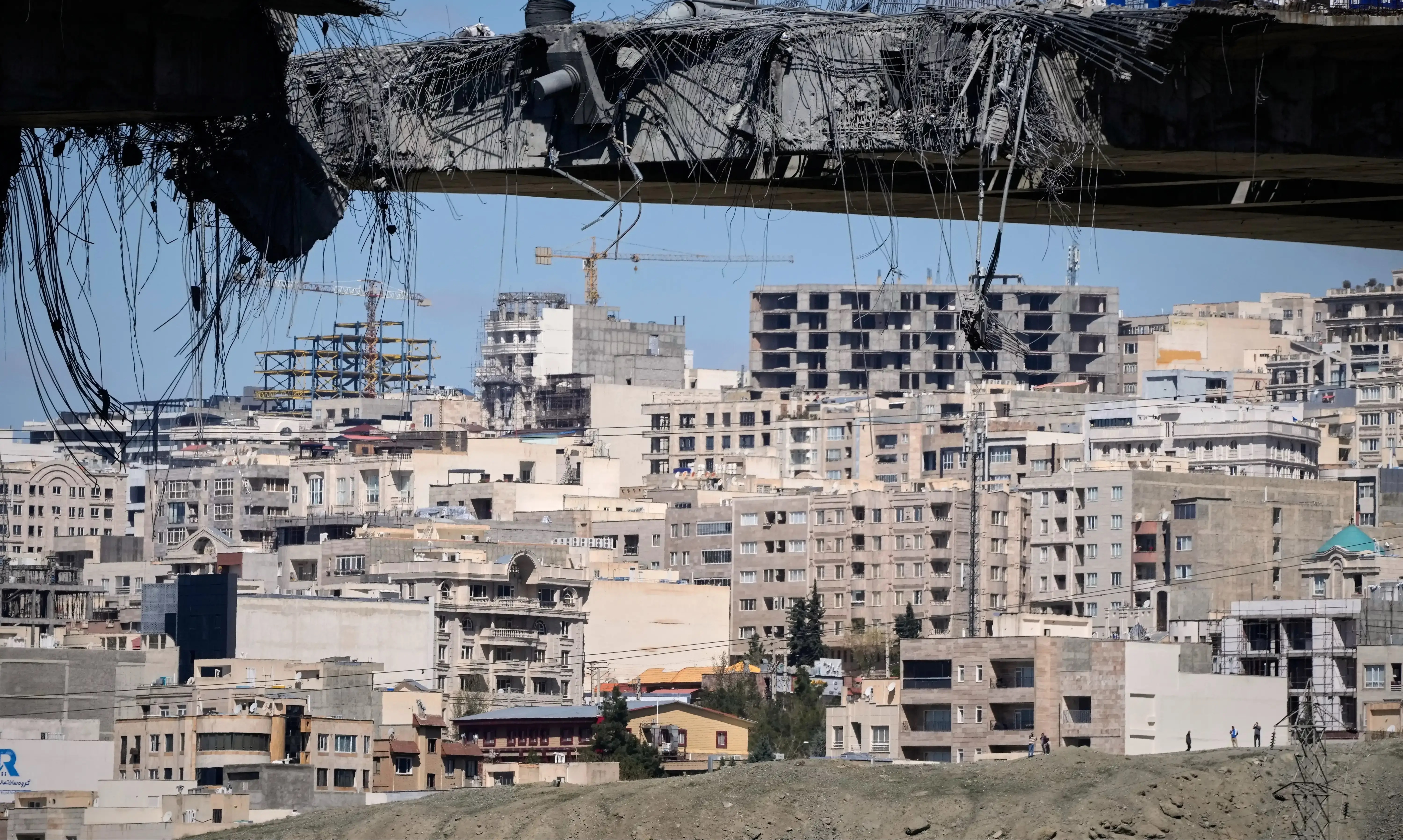
Trump, whose deadline expires Monday night Washington time, said that if no deal was reached to reopen the strait, the U.S. would hit Iran’s power plants and other infrastructure targets and send the country “back to the stone ages.”
“Tuesday will be Power Plant Day, and Bridge Day, all wrapped up in one, in Iran,” he threatened in a social media post on Easter Sunday, adding that if Iran did not open the strait “you’ll be living in Hell.”
In an effort to stop the fighting, Egyptian, Pakistani and Turkish mediators have sent Iran and the U.S. a proposal calling for a 45-day ceasefire and the reopening of the Strait of Hormuz to give time to try and find a way to end the war, two Mideast officials have told The Associated Press.
Iran and the U.S. have not responded to the proposal, sent late Sunday night to both Iranian Foreign Minister Abbas Araghchi and U.S. Mideast envoy Steve Witkoff, the officials said.
Despite the new attacks, threats and Trump's looming deadline, oil prices fell early Monday.
Benchmark U.S. crude dropped $1.40 to $110.14 a barrel. Brent crude, the international standard, lost 45 cents to $108.58 a barrel. Energy markets were closed Friday, but prices have been surging for weeks on fears that the Iran war will drag on longer than expected. U.S. crude is up more than 60% since the war started five weeks ago, while Brent is up close to 50%.
Japan's benchmark Nikkei 225 finished 0.6% higher at 53,413.68. South Korea's Kospi gained 1.4% to 5,450.33. Trading was closed in Australia for Easter; in Hong Kong and Shanghai for a traditional Chinese holiday, and in France, Germany and Britain in observance of Easter.
The U.S. relies on the Persian Gulf for only a fraction of the oil it imports, but oil is a commodity and prices are set in a global market. Some nations, like resource-poor Japan, import a large portion of their energy needs and rely heavily on access to the Strait of Hormuz.
Japan's Prime Minister Sanae Takaichi told lawmakers recently that Japan was releasing its reserves and was working on alternative routes. South Korea's trade ministry said it plans to send at least five ships to Saudi Arabi in the coming weeks to establish new oil transport routes in the Red Sea.
“As we kick off the first full trading week of April, the word uncertainty is paramount. Last year it was centered on the impact of ‘Liberation Day’ tariffs, this year it's uncertainty surrounding the ongoing Iranian War,” said Jay Woods, analyst at Freedom Capital Markets in New York.
___
Yuri Kageyama is on Threads: https://www.threads.com/@yurikageyama