

SAO PAULO (AP) — Indigenous and environmental organizations in Brazil expressed concern Monday about the weekend’s election results, warning that far-right gains in Congress could threaten Indigenous peoples who play a key role in protecting the Amazon and other Brazilian ecosystems.
Brazil, the world’s fourth-largest democracy and home to about 60% of the Amazon rainforest, voted Sunday for president, Congress and governors. The presidential race
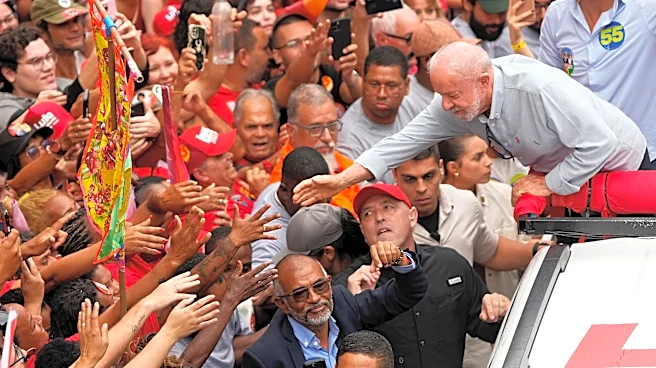
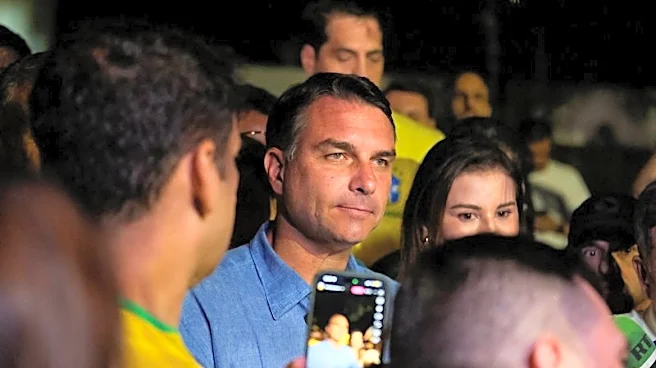
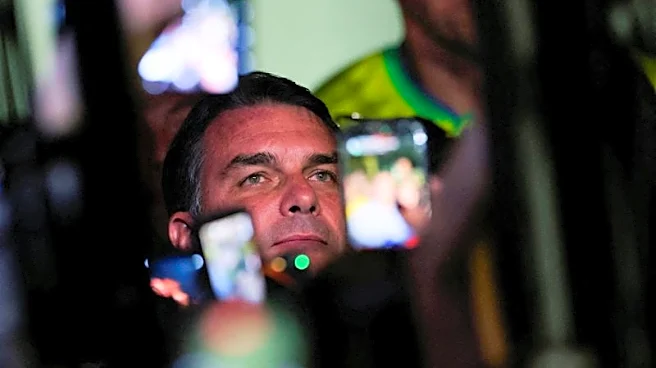
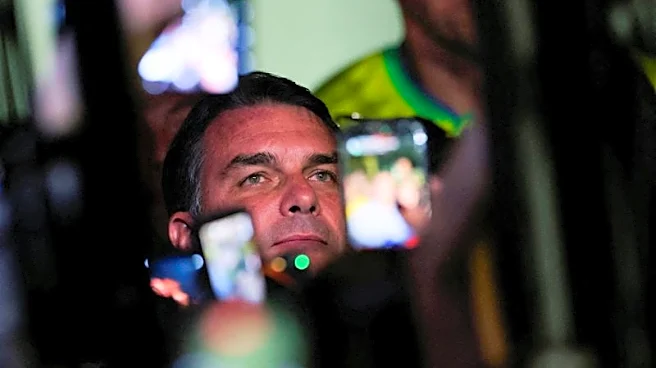
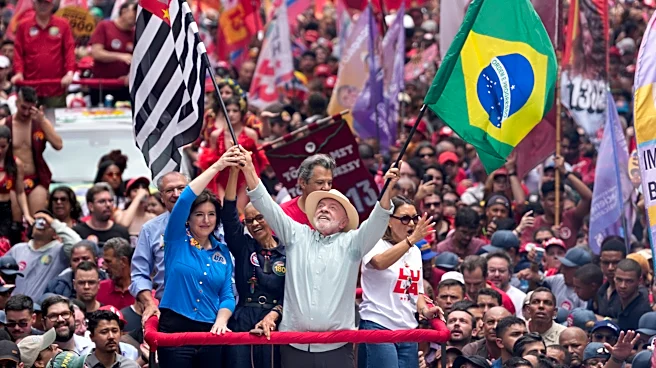
remains undecided, with Sen. Flávio Bolsonaro, son of former far-right President Jair Bolsonaro, set to face President Luiz Inácio Lula da Silva in an Oct. 25 runoff.
Bolsonaro’s Liberal Party won about a third of Senate seats and nearly a quarter of seats in the Chamber of Deputies, making it the largest party in both houses.
“The elections have already produced a significant shift in Congress,” Amazon Watch, a nonprofit focused on environmental protection and Indigenous rights, said in a statement. “The new balance of power strengthens groups that support mining on Indigenous lands and changes to territorial and environmental protections, regardless of who wins the runoff.”
Several lawmakers elected in Amazon states have backed mining, including on Indigenous lands, or weaker environmental protections. Fernando Máximo, a Liberal Party senator-elect from Rondonia, has dismissed as “falsehoods” scientific findings of mercury contamination from illegal gold mining.
Such positions extend beyond Bolsonaro’s party. Sen. Plínio Valério of the center-right Brazilian Social Democracy Party, reelected in Amazonas, has called for legalizing mining and criticized enforcement operations.
“Brazil emerges from these elections with a Congress that is even more aggressive toward Indigenous rights,” said the Articulation of Indigenous Peoples of Brazil, the country’s leading Indigenous organization, known by its Portuguese acronym, Apib.
Protecting Indigenous territories is widely seen as an effective way to curb deforestation in the Amazon, the world’s largest rainforest and a key regulator of the global climate. A 2022 MapBiomas analysis found that Indigenous territories in Brazil lost just 1% of their native vegetation over three decades, compared with 20% on private land nationwide.
Under Brazilian law, any mineral research or mining activity on Indigenous territories requires Congress’ approval, in addition to consulting local communities. The next Congress that will be sworn in on Feb. 1, 2027, will inevitably rule on mining on Indigenous land, since in February, Brazilian Supreme Court Justice Flávio Dino ordered lawmakers to pass legislation regulating the issue.
“The debate about mining on Indigenous lands is expected to move forward regardless of the election outcome. And the election results pose greater risks that the regulations will pay little attention to Indigenous rights,” said Márcio Santilli, a founding member of Brazil's nonprofit Socioenvironmental Institute and a former president of Brazil’s Indigenous affairs agency.
Marcos Sabaru, an Indigenous political strategist with Apib, said Bolsonaro’s pledge to allow Indigenous people to mine on their lands would face significant legal hurdles, as Indigenous lands and their mineral resources technically belong to the federal government.
“If they open up Indigenous land and it no longer belongs to the federal government, then who does it belong to? Ranchers and mining companies? Indigenous people?” Sabaru said. “We would be setting a precedent with no way of knowing where it would lead.”
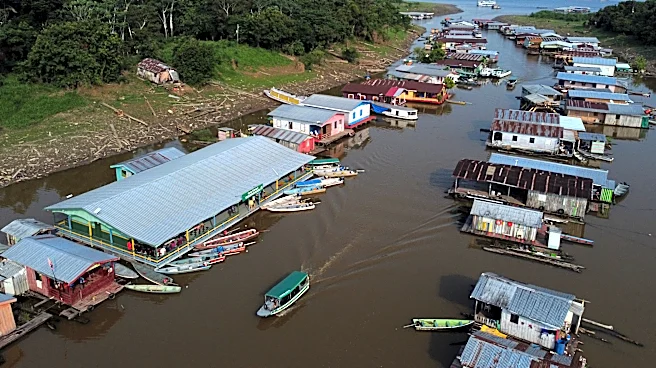
Record-breaking gold prices, driven largely by investor demand for safe assets amid rising global risks, have driven a renewed mining rush in the Amazon, spiking deforestation and mercury contamination of riverine and Indigenous communities. A recent analysis by the nonprofit Amazon Environmental Research Institute found that gold mining expanded nearly sevenfold in these lands between 2016 and 2024.
Bolsonaro’s Liberal Party did not respond to a request for comment from The Associated Press.
During his campaign, Flávio Bolsonaro said that he would Indigenous lands to economic activities without clarifying whether he would establish deforestation rules for Indigenous lands.
“If they want to farm or lease their territory, they will be free to do so. If they want to authorize mining on their lands, they will be able to do that as well,” Bolsonaro told the Market Makers podcast. “All of this will be done responsibly and with environmental safeguards, while respecting their wishes.”
Since 2023, Lula’s government has reversed a surge in Amazon deforestation under Jair Bolsonaro, stepped up efforts against illegal gold mining, created a Ministry of Indigenous Peoples and rebuilt the Indigenous affairs agency. But it has fallen short on some promises, including the demarcation of Indigenous lands, Sabaru said. Still, Apib supports Lula’s reelection.
“It’s difficult for us to defend the Lula government. It really is,” Sabaru said. “But we are doing it because the other side is not an option.”
___
The Associated Press’ climate and environmental coverage receives financial support from multiple private foundations. AP is solely responsible for all content. Find AP’s standards for working with philanthropies, a list of supporters and funded coverage areas at AP.org.